Ironically, my plan was to play Resident Evil 2 Remake right after finishing Resident Evil 2 on the Dreamcast. Then, as usual… I got distracted.
One thing I have to admit straight away: real-time graphics from 2019 look better than CGI from 1999.
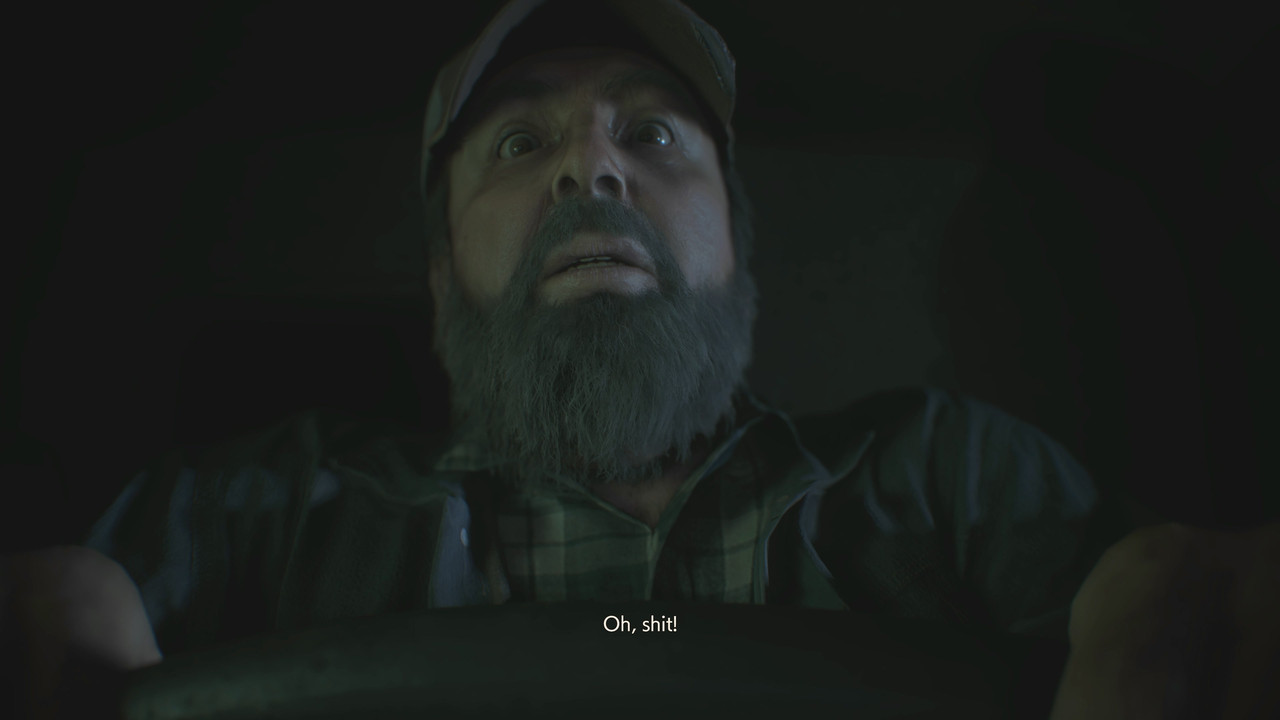
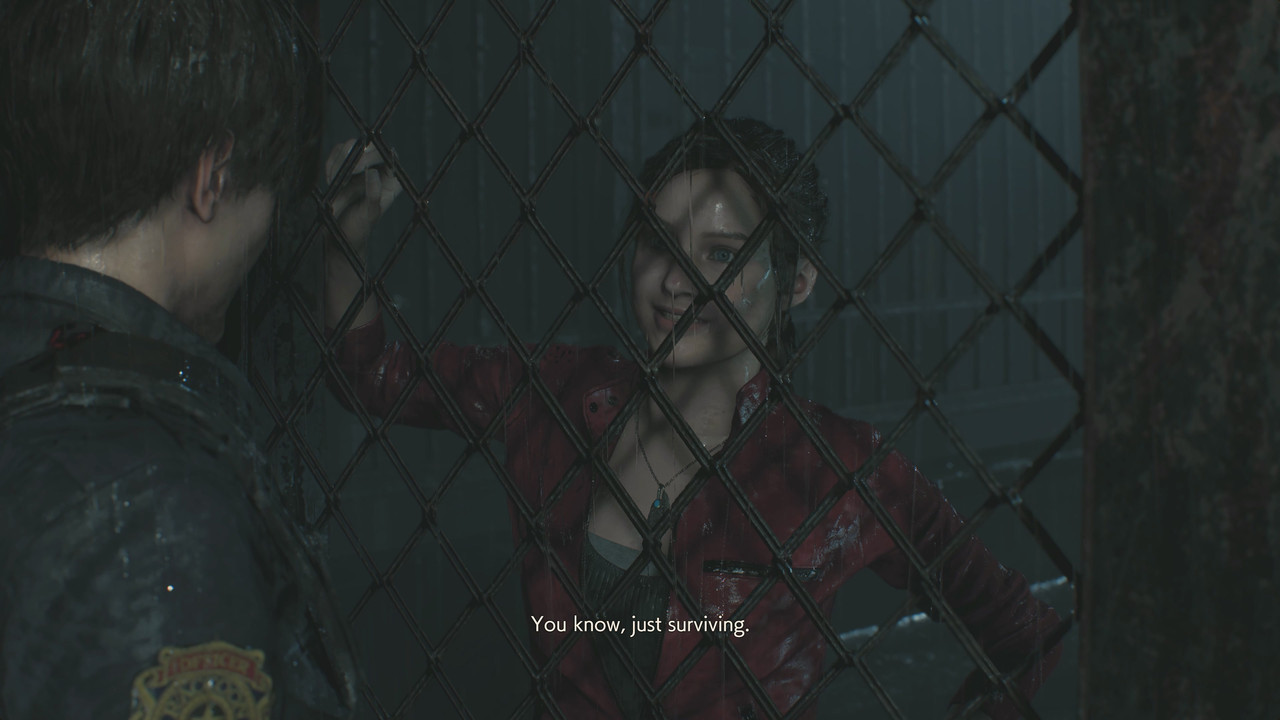
Calling this game a “remake” is almost misleading. It’s really its own interpretation—sharing core characters and locations, but reworking nearly everything else. Leon and Claire meet differently at the gas station, entire sections of the police station are newly explorable, and the game adopts Resident Evil 4-style controls: over-the-shoulder camera, precise aiming, fast reloads, autosaves, and no typewriter ribbons unless you explicitly enable them.
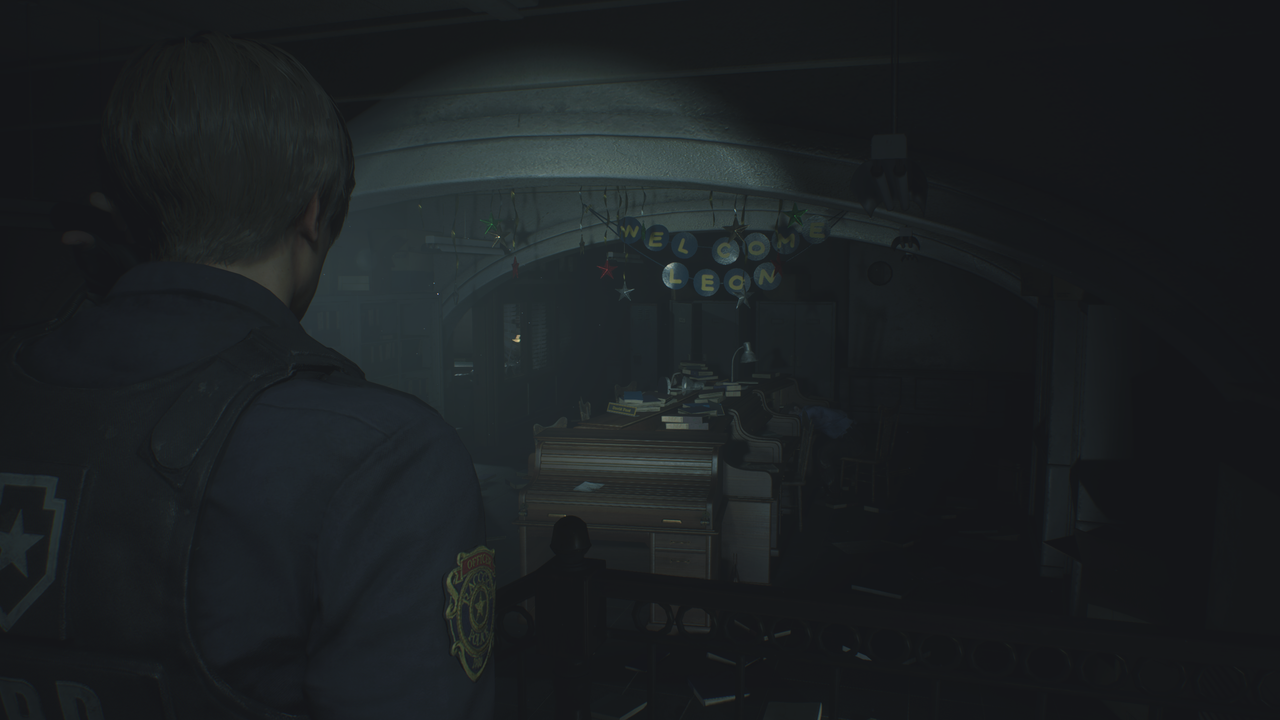
One of the few classic elements that survived is the very limited inventory. You still only get eight slots, regardless of whether you’re carrying a tiny key or a massive bundle of wooden planks. The difference is that inventory upgrades are now spread throughout the game instead of being a single expansion.
Enemy rules have changed significantly. In the classic games, I often traded health for ammo—letting a zombie bite me if I knew I’d only pass that hallway once. That strategy no longer works. Zombies are much faster to grab you, and a couple of bites can easily kill you. Knives now function like The Last of Us shivs: they let you escape grabs, but only a few times before breaking.
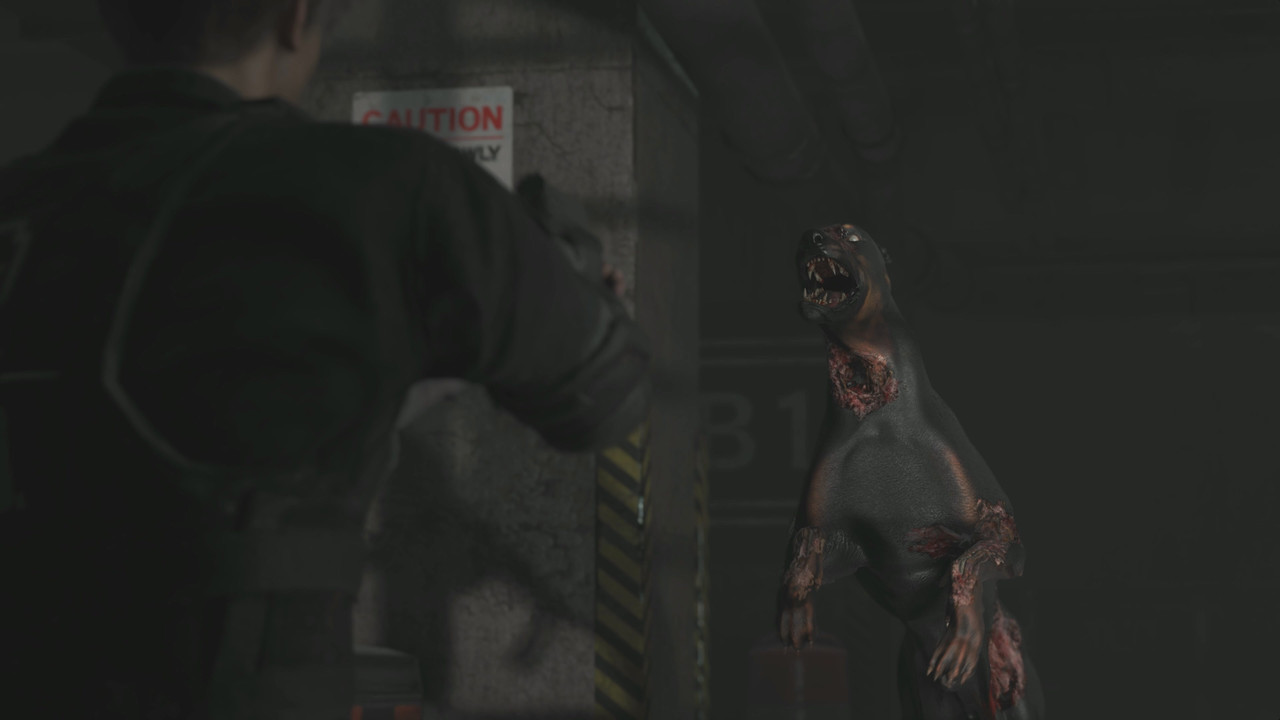
Lickers finally behave the way their design always suggested. They were always eyeless, but now they’re actually blind, responding primarily to sound. It’s a subtle but very welcome change.
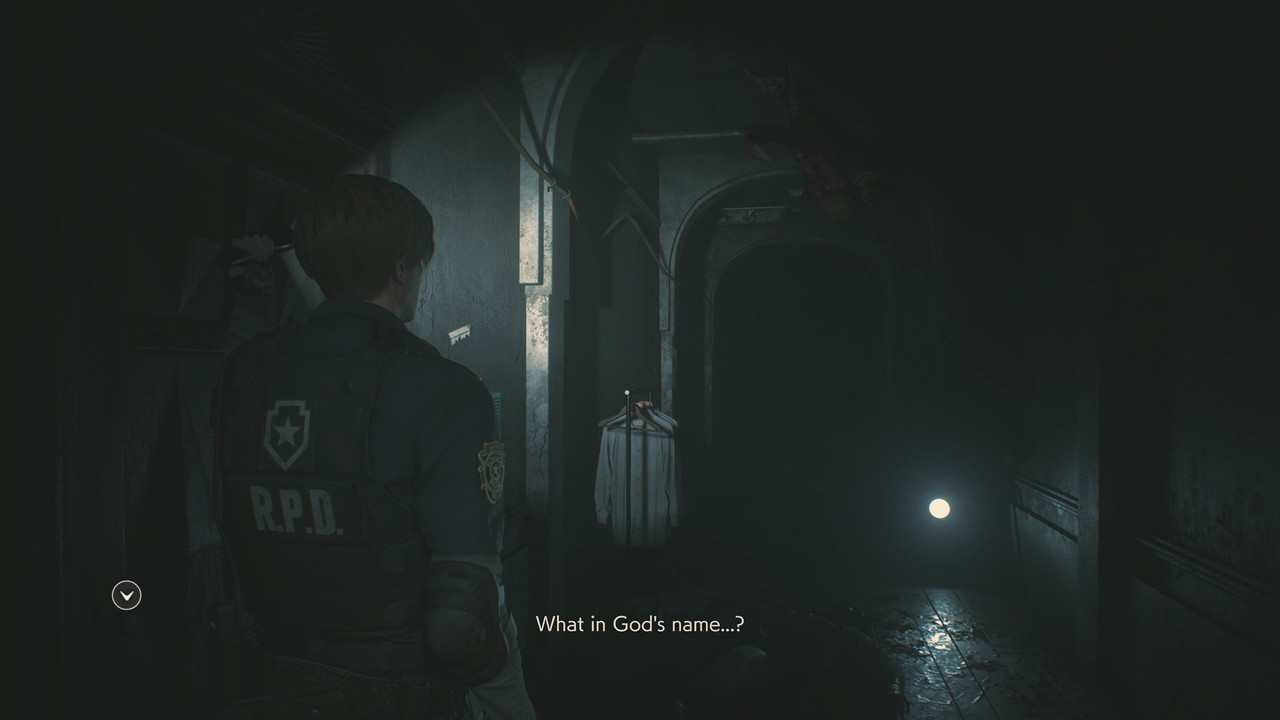
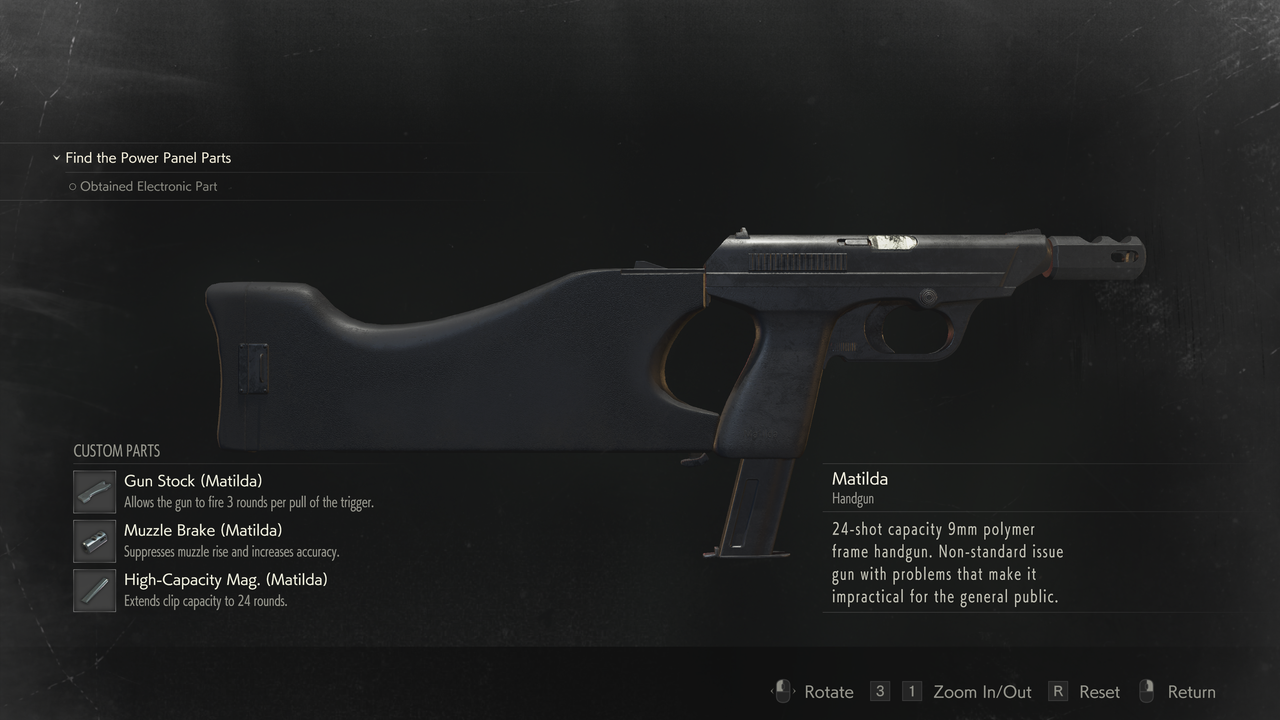
I also liked the approach to Leon’s pistol upgrades. Instead of a single burst-fire upgrade like in the original, you first find an extended magazine and later a stock, making progression feel more grounded.
I made things harder for myself early on by taking a wrong turn, missing the shotgun key, and running low on ammo and healing items before I could correct the mistake. Resource pressure is handled very well in this remake.
A small but impressive detail is how Leon carries his weapons. Since he only has three guns, they’re always physically rendered: a shotgun on his back, one pistol in his holster, and another in hand. The only thing not rendered is the oversized stock, likely to avoid clipping issues—even in cutscenes.
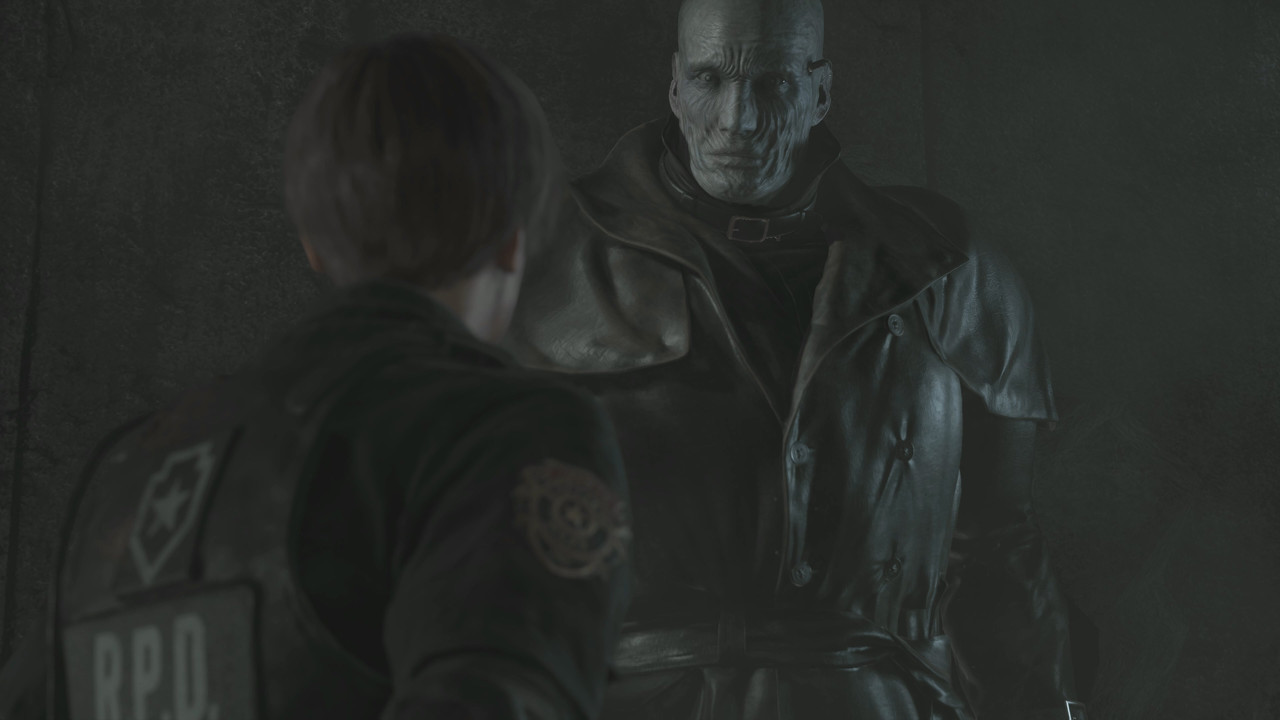
When I replayed the original years ago, I was surprised to remember that Leon never actually encounters the Tyrant. In the remake, he faces both Birkin and Mr. X, clearly making full use of the new stalking mechanics. Fighting Mr. X feels mostly pointless, though—it just burns ammo without much payoff.
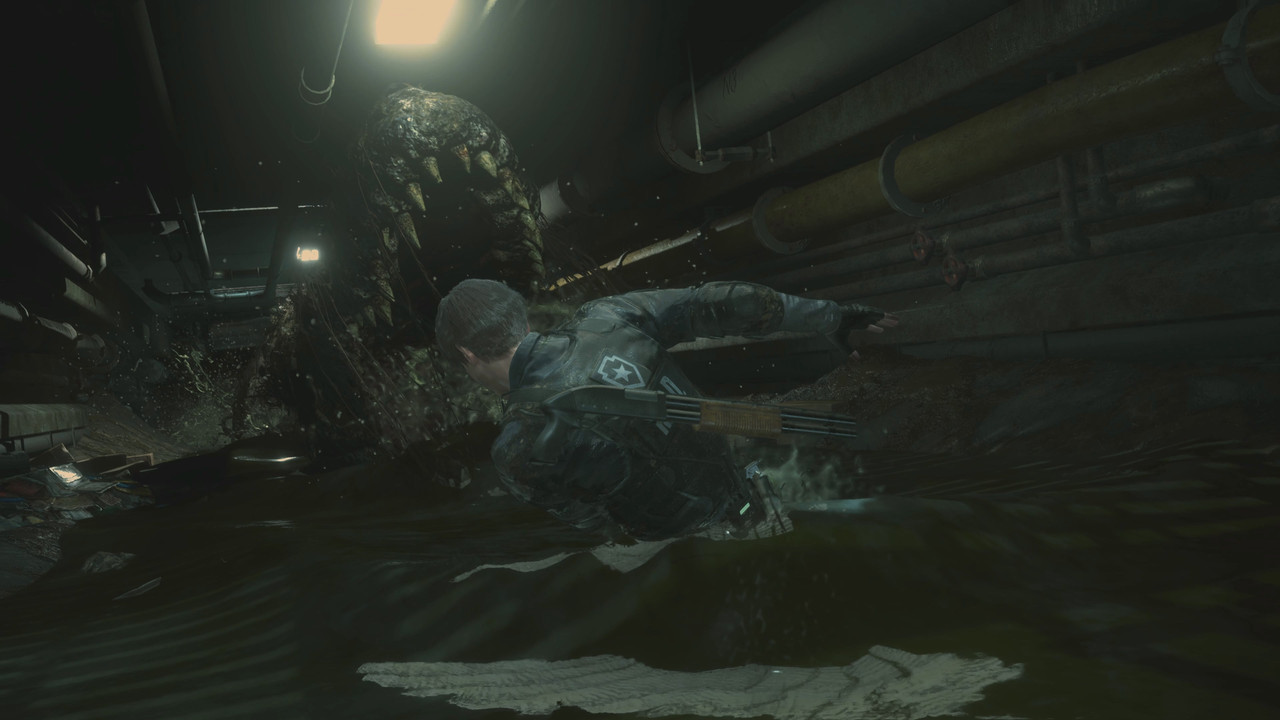
The giant alligator in the sewers is fairly standard by modern standards, but it still made me smile.
After Leon rescues Ada and falls unconscious, we briefly play as her. Her segment feels inspired by Batman: Arkham, letting her see cables and connections through walls. It’s not overly annoying, but I was still glad when it ended.

Once you obtain the upgraded Magnum, combat becomes much more predictable. Before that, it’s hard to tell how many bullets a zombie will take; with the Magnum, the answer is usually “one.”
The plant zombies were an interesting addition. They sound suspiciously like The Last of Us mushroom enemies and behave similarly to enemies from Resident Evil 4: you have to target weak spots and burn them, or they’ll get back up—just like in Resident Evil 0.
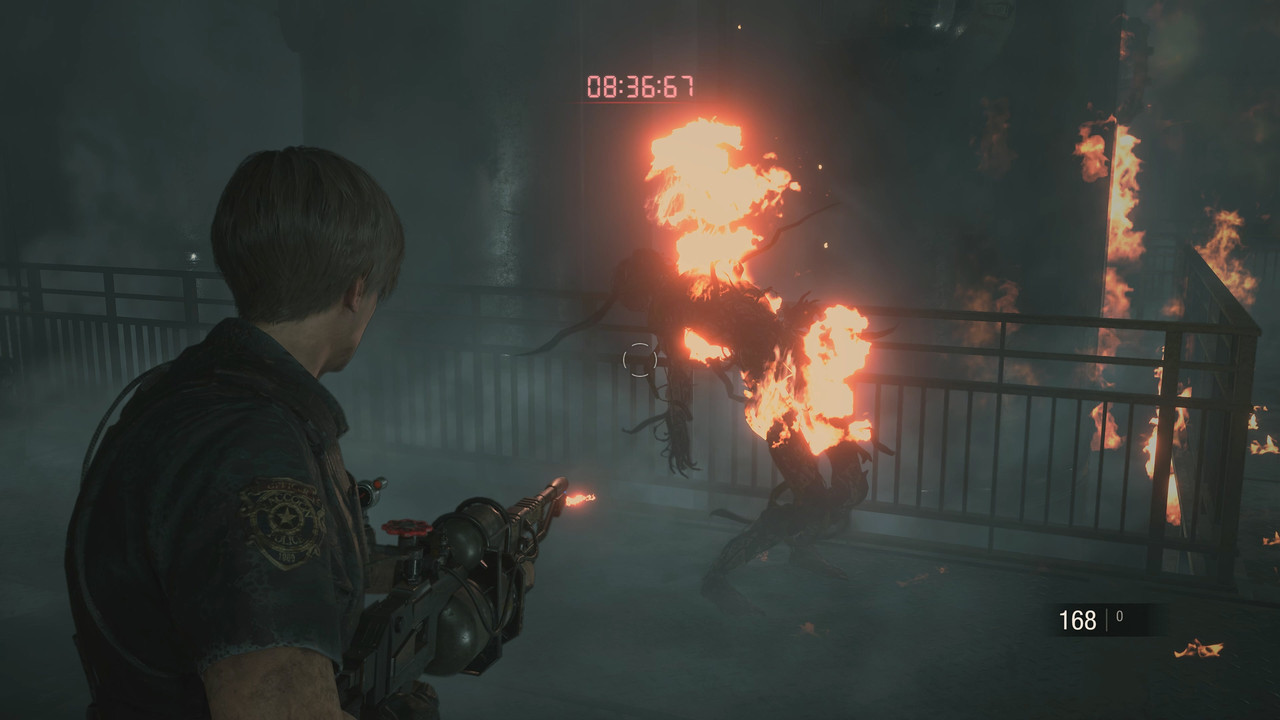
Both the final Birkin fight and Mr. X encounter were excellent—easily among the most enjoyable boss fights in the series. My only issue is clarity: it’s not always obvious whether damage output matters or if you’re purely meant to hit weak points. It feels like the latter, since careful aiming can get the job done even with basic weapons.
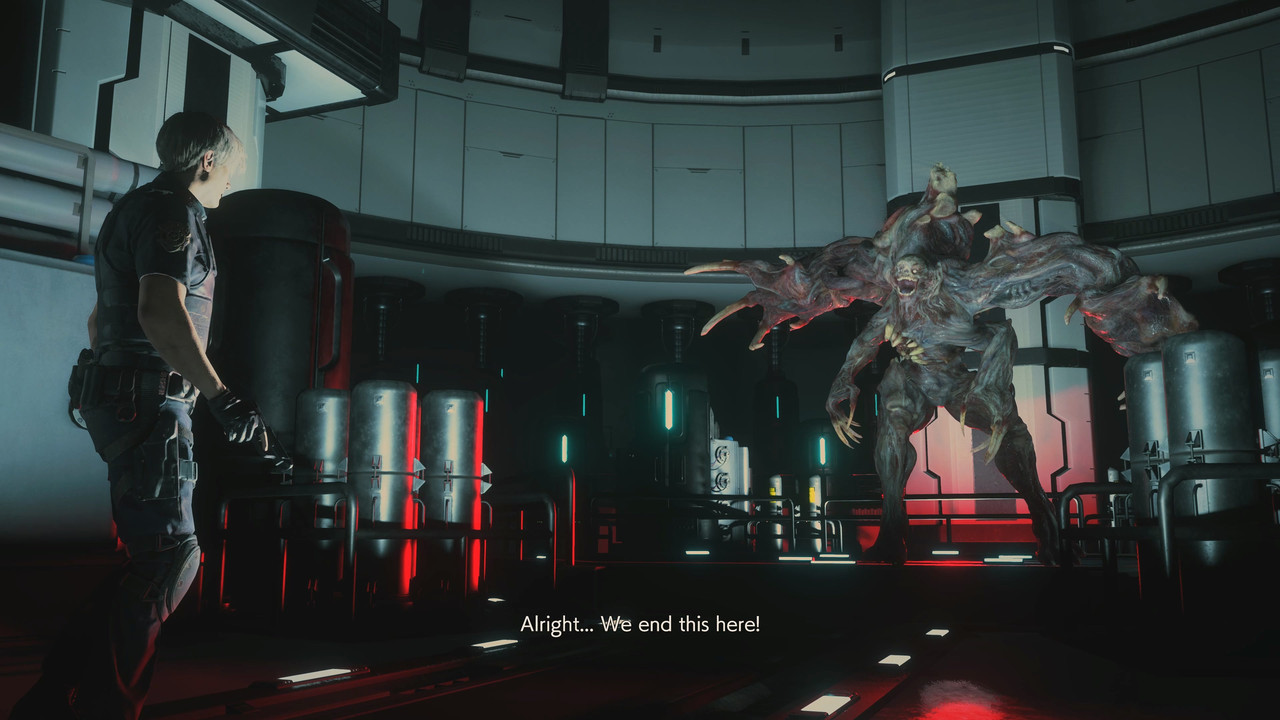
A major story change involves the virus sample. In the original, Leon throws it away after Ada’s “death.” In the remake, he drops it while trying to save her from falling.
Given how the story was structured, I half-expected the B scenario to be cut—but it’s still there, so next up was Claire B.
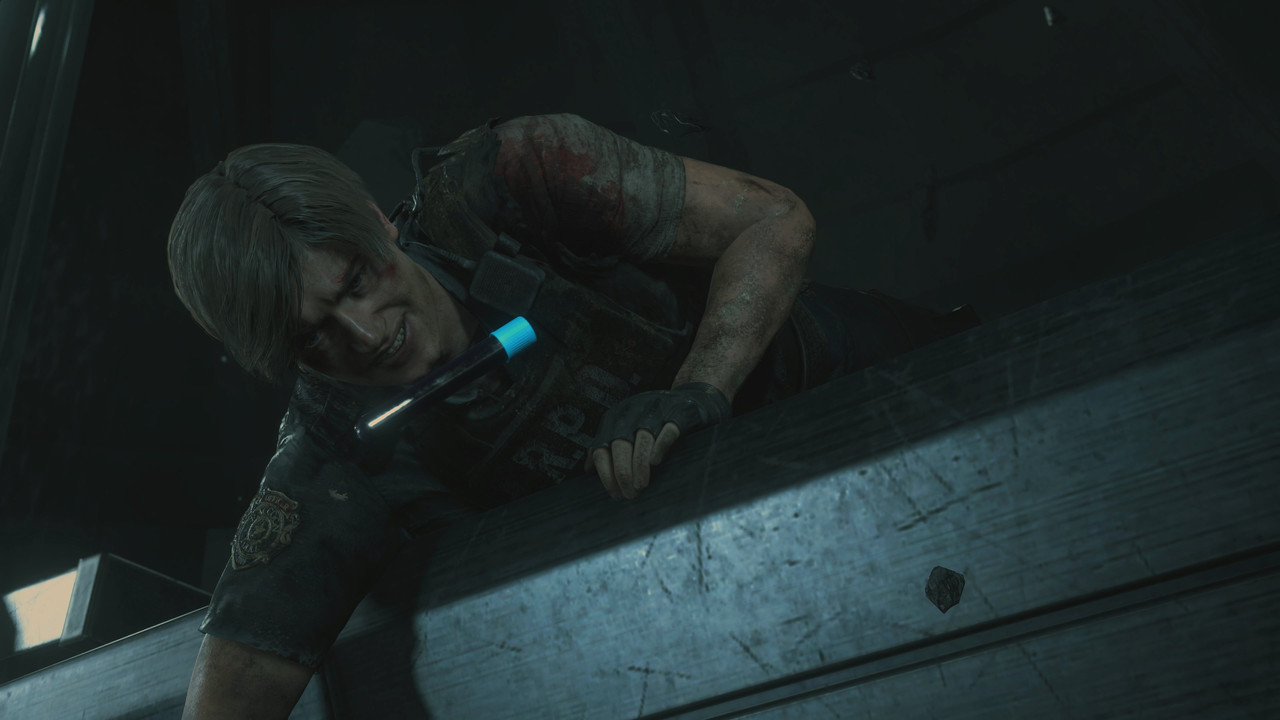
Claire’s weapon setup is… confusing. She has two revolvers: one with ammo you can find but not craft, and another where the opposite is true. Later, it turns out she actually has three pistols, with the third being an automatic handgun with an extended magazine. The second revolver doubling as a Magnum makes very little sense logically, but it’s still a fun idea.
Lickers gave me a lot of trouble with Leon unless I had the Magnum. With Claire, a single grenade from her launcher solves the problem instantly.
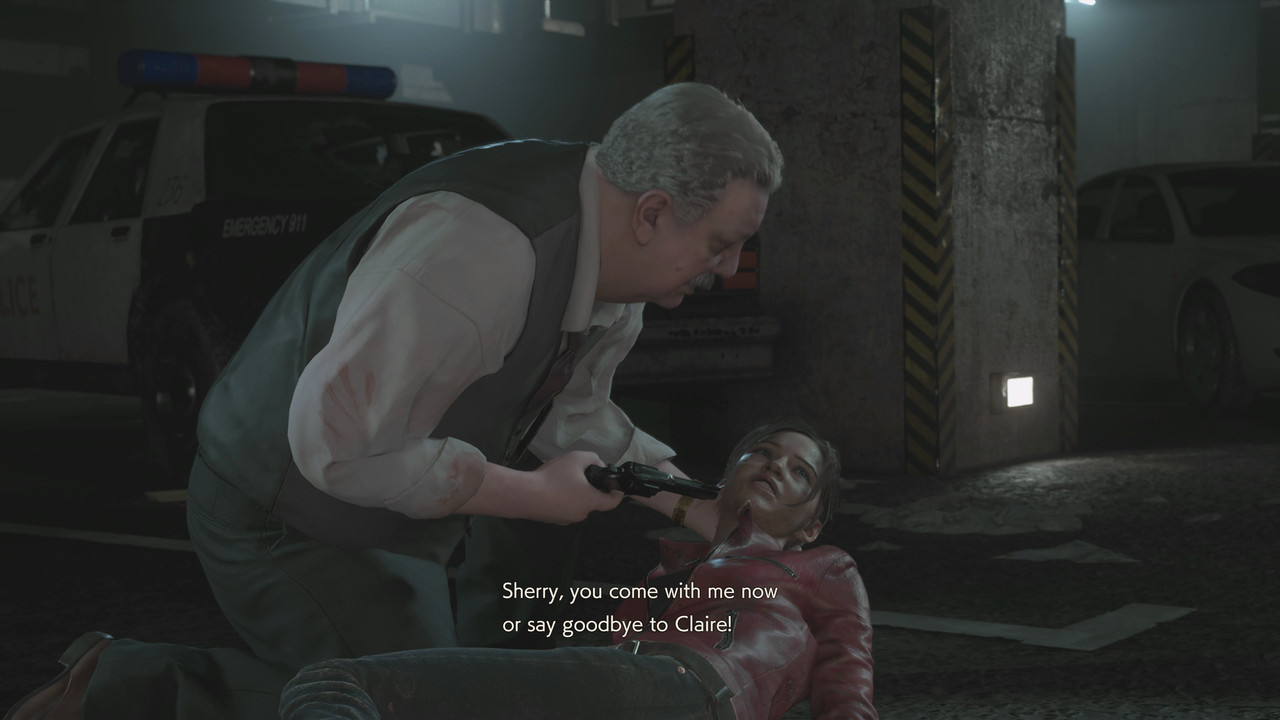
Police Chief Irons is introduced very differently. Instead of killing his infected daughter to prevent her from turning, he kidnaps Sherry, which explains how she loses her pendant. We also get a playable Sherry segment in the orphanage—a classic stealth sequence.
It embarrassingly took me a long time to realize that many enemies function like Dead Space necromorphs. Sometimes it’s far more effective to dismember them than to aim for headshots.
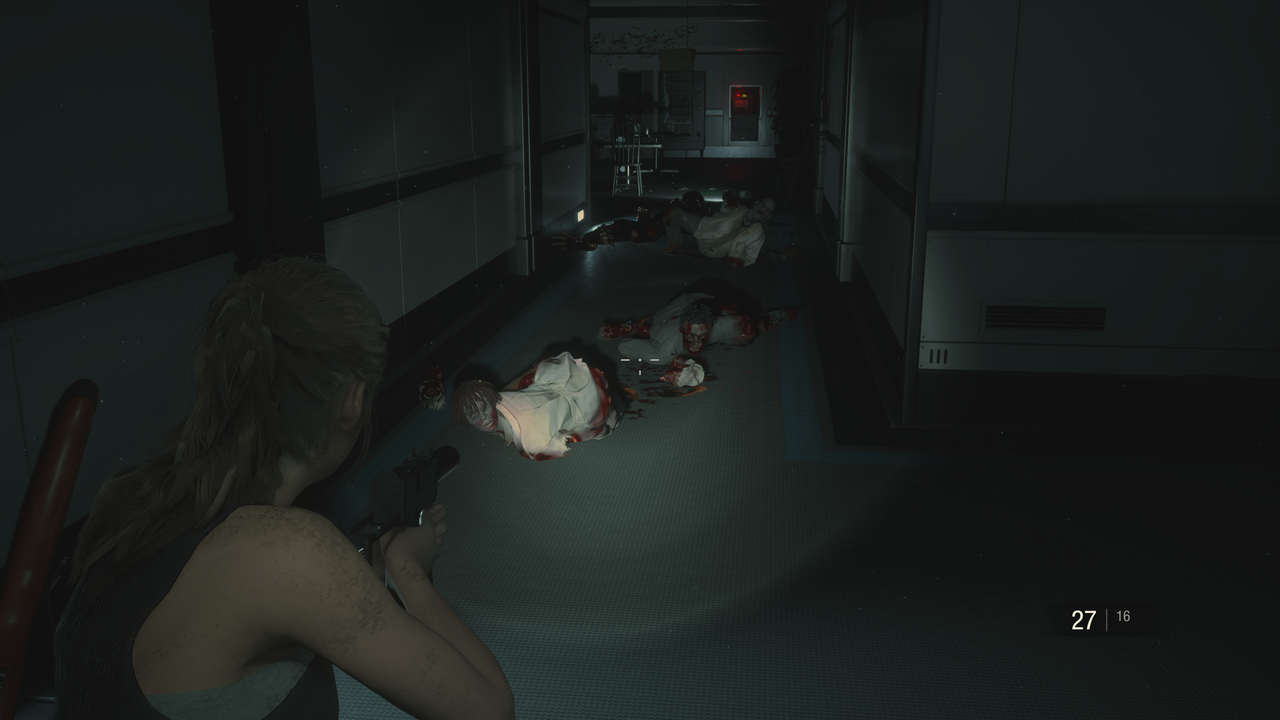
I also eventually understood the ammo logic: just like grenades, you can only find one type of special ammo and craft the other. It’s consistent, but not immediately obvious.
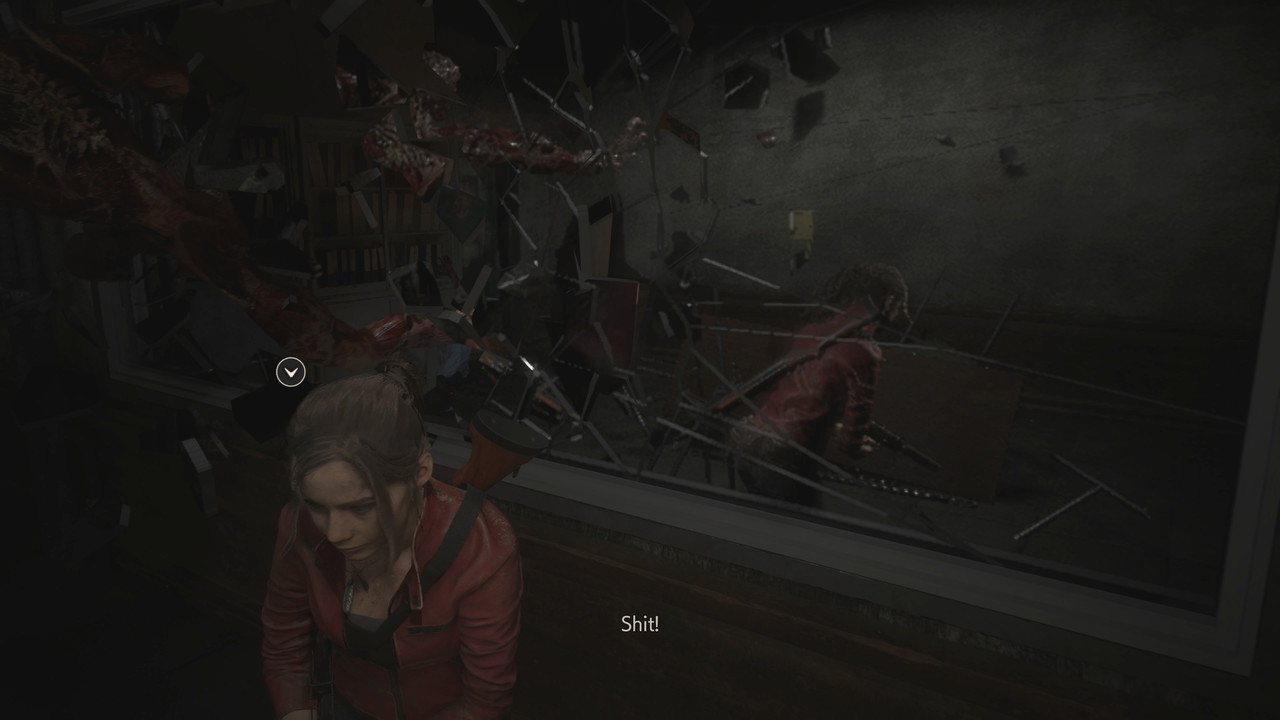
In the original, Sherry’s pendant contained the vaccine itself. In the remake, it’s merely a key to access the vaccine. Another notable change is that while Mr. X originally pursued Leon and Birkin pursued Claire separately, the remake adds a scene where Birkin literally tears Mr. X apart while trying to kill Sherry.
Before the penultimate Birkin fight, Claire is suddenly handed a minigun. There’s no explanation for this—especially odd since it used to be a New Game+ bonus—and Claire doesn’t even react to it.
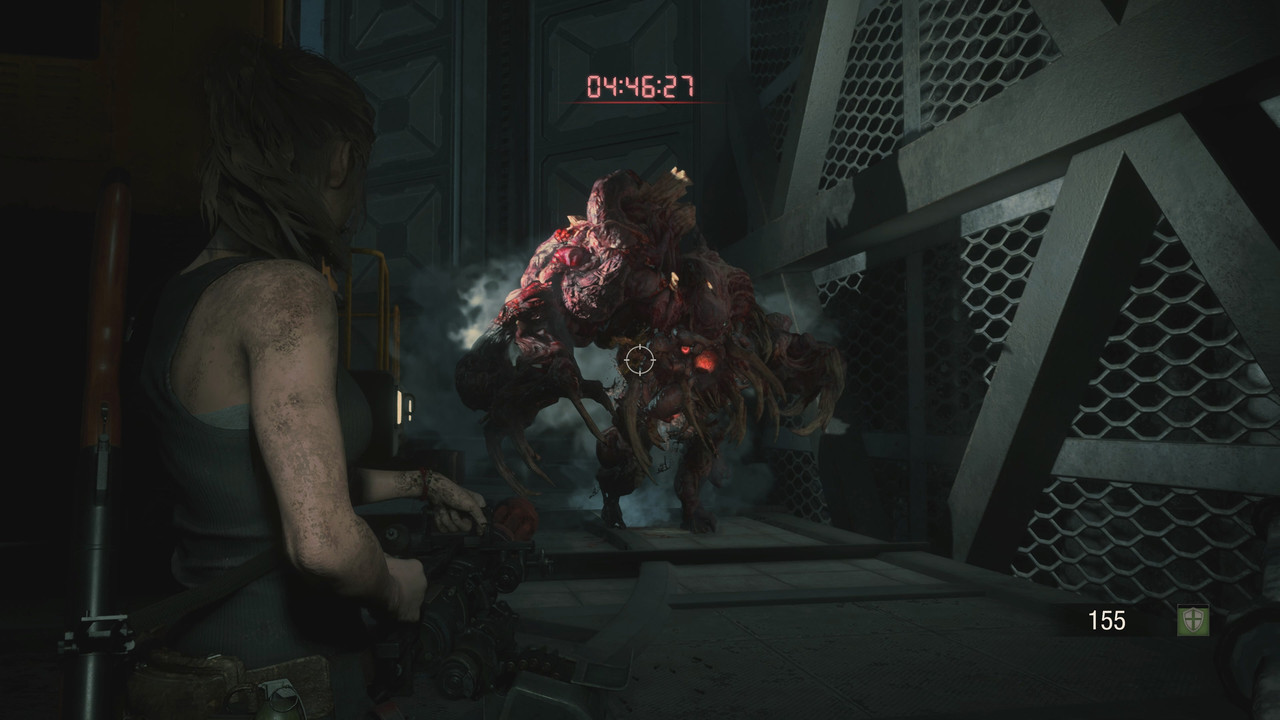
The final train battle is far more dramatic thanks to modern technology and dynamic camera work. Still, it’s amusing in a very Resident Evil way: Claire unloads dozens of Magnum rounds into the monster’s eye, but it only explodes after she pokes it with a sharp stick.
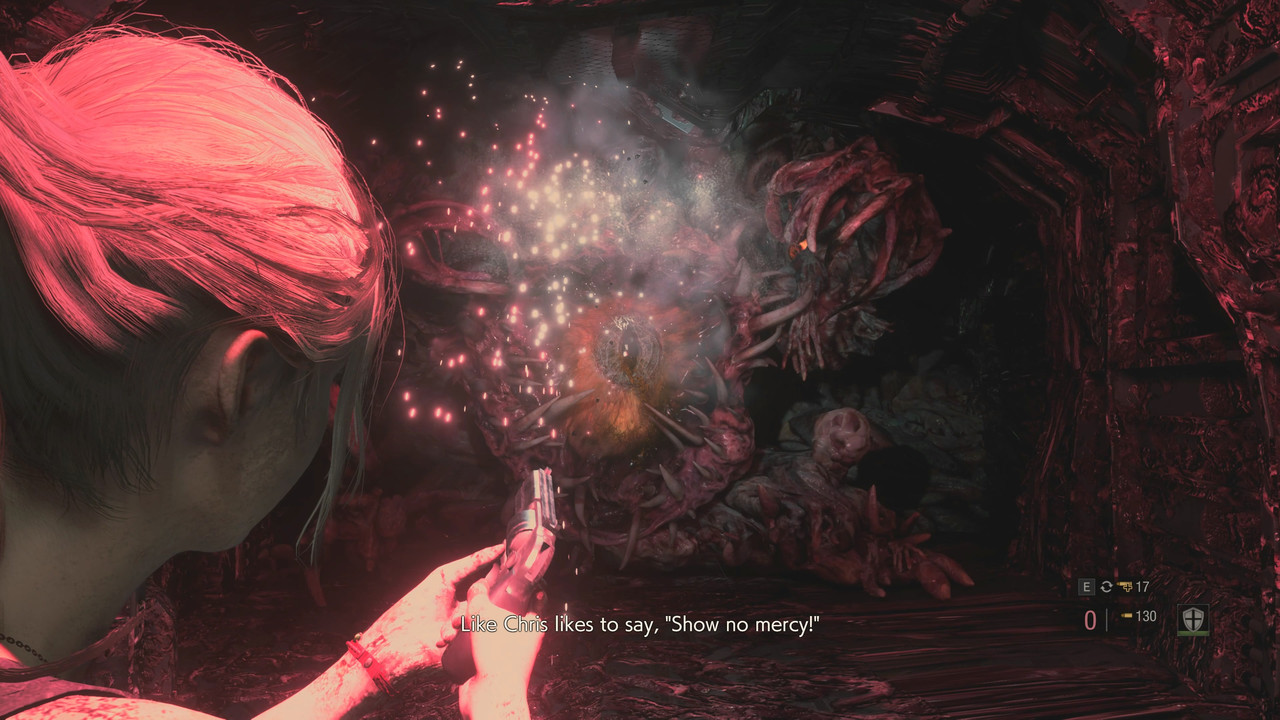
Common tropes, I guess—but highly enjoyable ones.