Seriously, I find it impossible to discuss Zero Time Dilemma without some huge spoilers. If you plan to play this game, stop reading now, as I can't put the entire review under a spoiler tag.
In Zero Time Dilemma, familiar faces from the previous games—Junpei, Akane, Sigma, and Phi—are joined by five new characters, engaging in a complex three-sided Prisoner's Dilemma type of game.
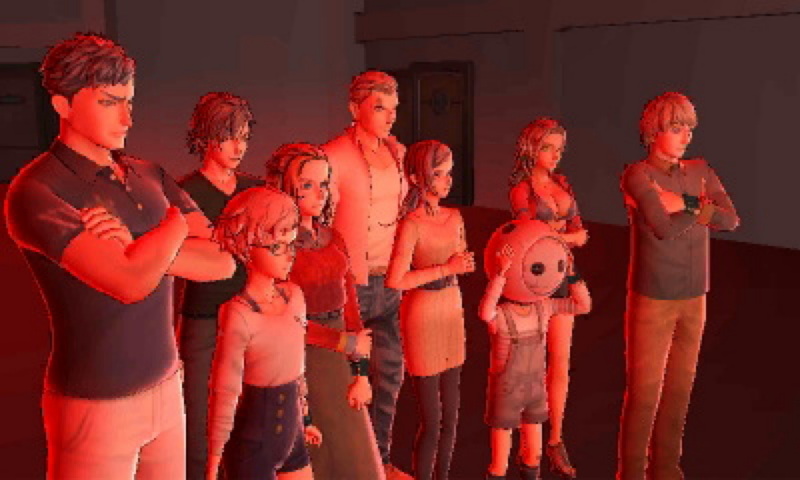
The game introduces random outcomes in decision results, such as repeating Russian Roulette for varied results, adding an unusual element for a visual novel and puzzle game, where the outcomes of your decissions are predetermined.
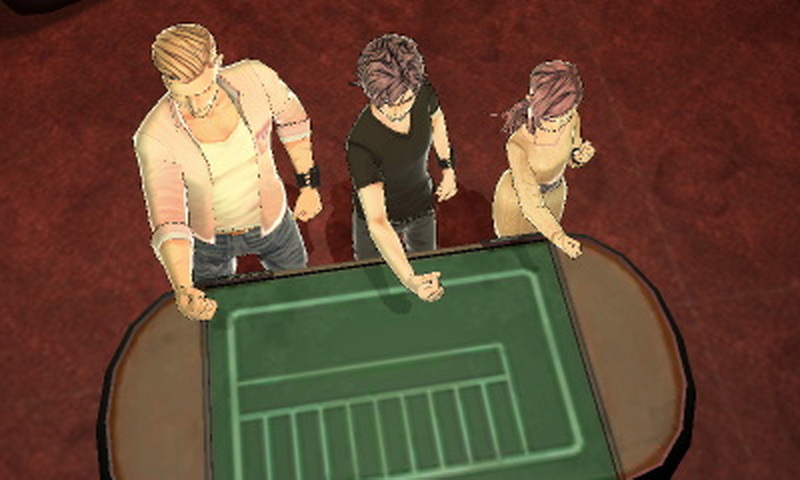
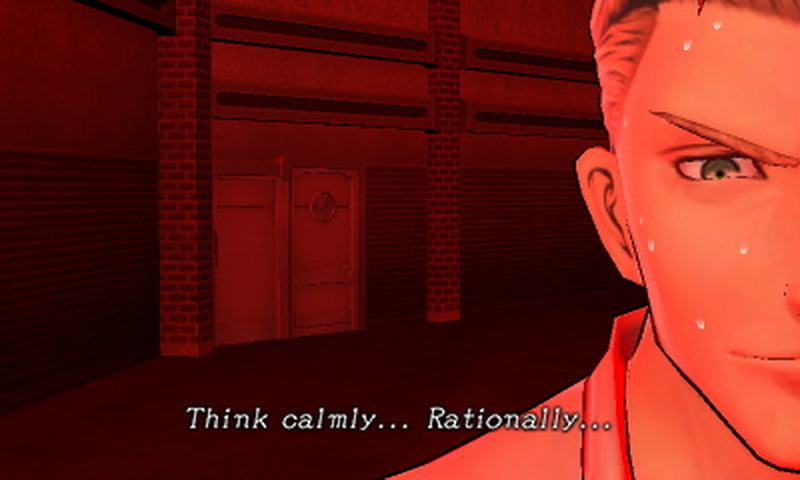
Playing this installment without prior knowledge seems daunting due to an even more convoluted time continuum, allowing players to tackle escape rooms in any order. While the escape room mechanics and visuals remain consistent with the previous game, cutscenes have notably improved. The midgame can feel slow, though, requiring players to make seemingly nonsensical decisions to progress and witness all possible deaths.
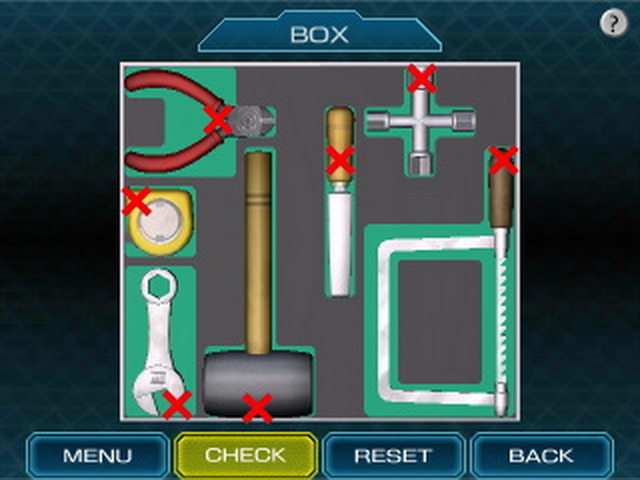
As a puzzle game, Zero Time Dilemma presents a mixed experience. Puzzles are easier but also less engaging, featuring activities like fitting pieces into boxes. Puzzle room lengths vary significantly, with some feeling too short, while others, like the Healing Room, are notably lengthy.
The game's true appeal lies in the endgame's mind-bending revelations. Q's origin story involves a quantum computer and the consciousness of a deceased boy. Further twists reveal Sigma and Diana as Phi's parents, and Zero's connection to the terrorist cult Free the Soul. The revelation that there is only one ward, contrary to the initial premise of three wards, adds another layer of complexity.
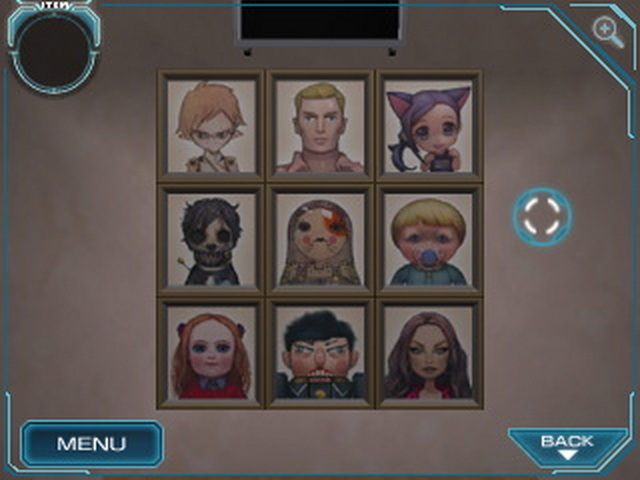
The game can get annoying at times, as you are given multiple passwords that are suitable, and none of them would work, because there's yet another password that you didn't get, because you didn't watch a particular scene yet. And there's no way of knowing that.
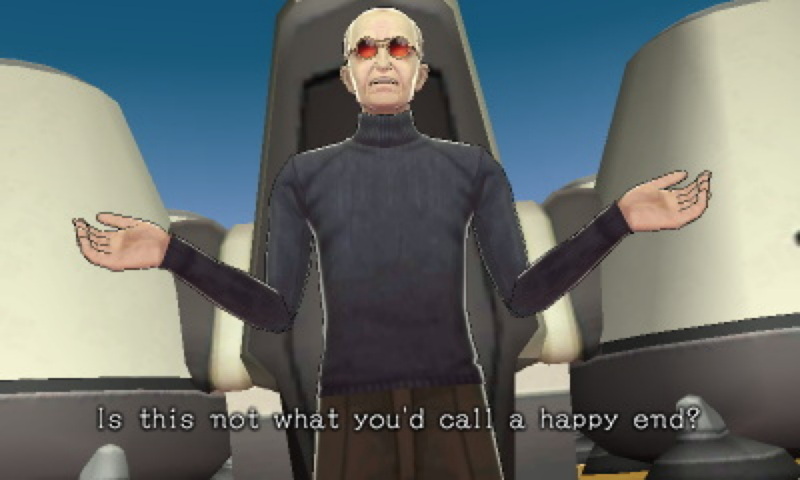
The fourth-wall-breaking moment, revealing the player as a supposedly blind, deaf, and immobile old man controlling the characters, adds a Saw-like twist to the narrative.
However, the ending leaves something to be desired, with a disappointing cliffhanger and a lack of closure on certain character motivations.
The exploration of the Butterfly Effect and its impact on characters' lives feels somewhat incomplete. Comparing the trilogy, Zero Time Dilemma has the least annoying puzzles, Virtue's Last Reward boasts smoother time travel mechanics, but the original game, 999: Nine Hours, Nine Persons, Nine Doors, stands out as the best in terms of storytelling.
If you like my reviews, consider following my updates here:
https://aleosha.blog/tag/zero-time-dilemma/


