The Callisto Protocol is, quite plainly, Dead Space. I haven’t played the 2023 remake, but the lineage is unmistakable: the color palette, camera work, movement, audiologs, and even the signature body stomps are all here. The introduction is solid and does a good job explaining why the protagonist has what is essentially a traffic-light health bar embedded in the back of his neck.
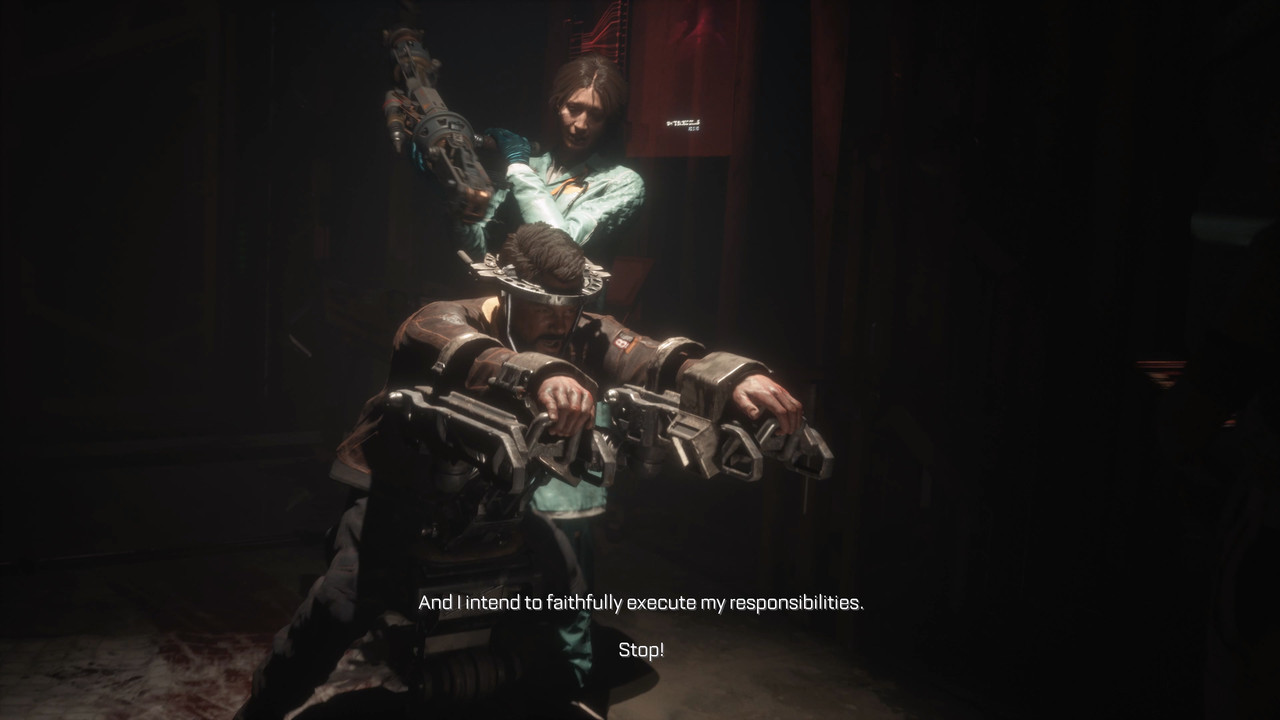
The presentation is strong overall. Characters are impressively sweaty, and there are some familiar faces among the cast. Visually, the game rarely disappoints.
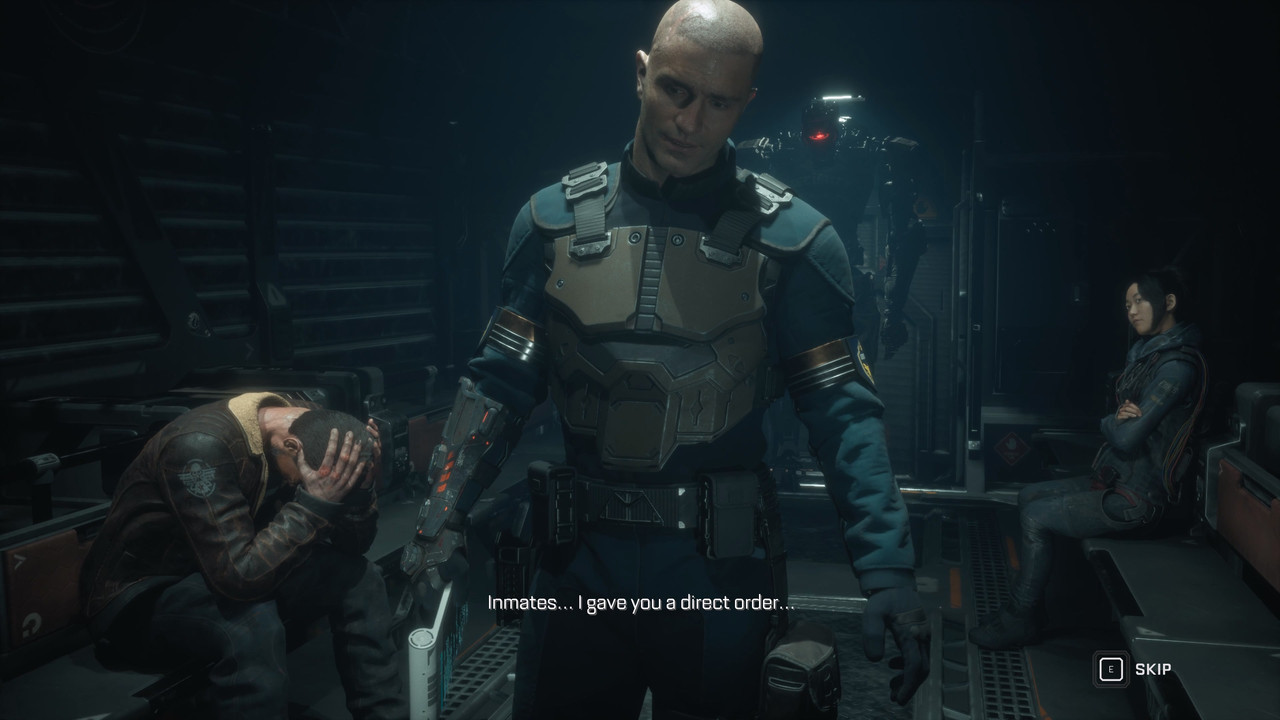
Gameplay leans far more toward melee combat than Dead Space did—thankfully without any Souls-like influence. Blocking with the “back” input is common in fighting games, but I can’t recall seeing it used this way in a third-person action game. Once you acquire a pistol, you can chain a combo that auto-aims at stunned enemies, which is surprisingly useful.
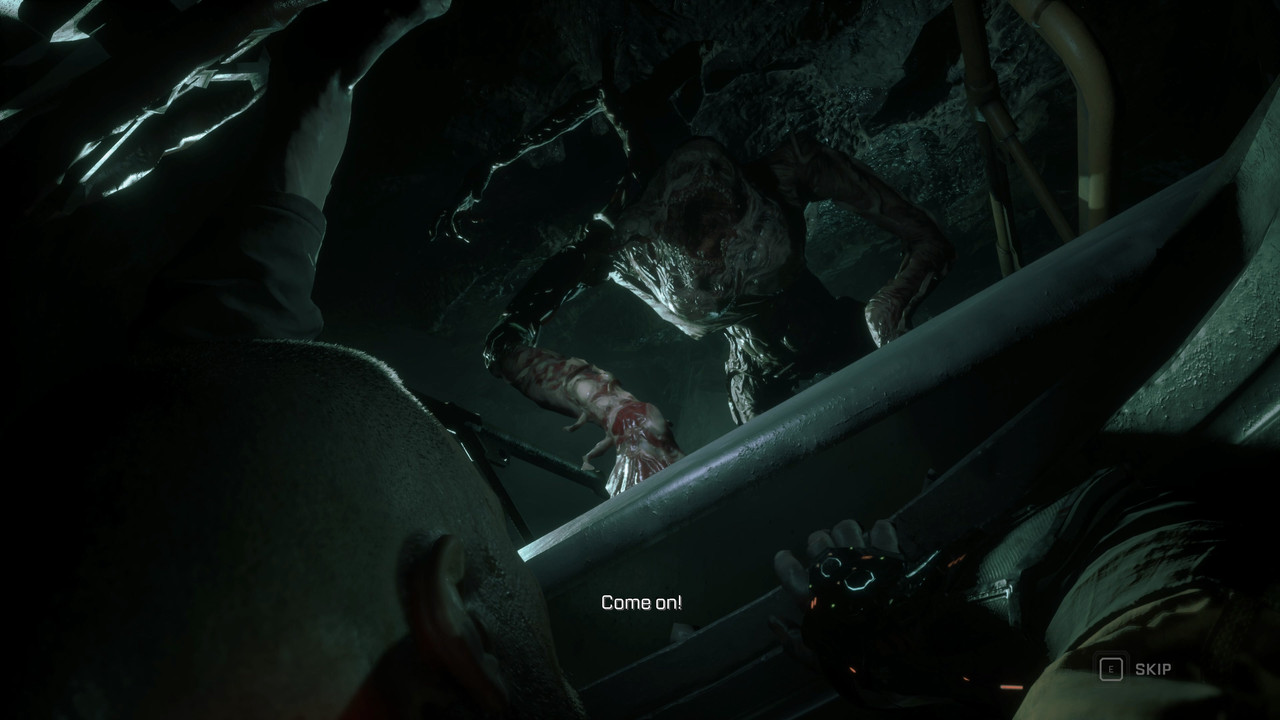
Weapons can be upgraded, and it’s nice that upgrades are reflected visually in a logical way: a stability upgrade adds a foregrip, for instance. You also get a telekinetic glove that lets you pull objects—or enemies—toward you like a Jedi. That mechanic was everywhere in early 2000s games, but everything eventually comes back around.
There’s no experience system, just credits, which are used to upgrade weapons and the glove. Inventory space is extremely limited, and since there’s very little backtracking, excess items are best sold rather than hoarded.
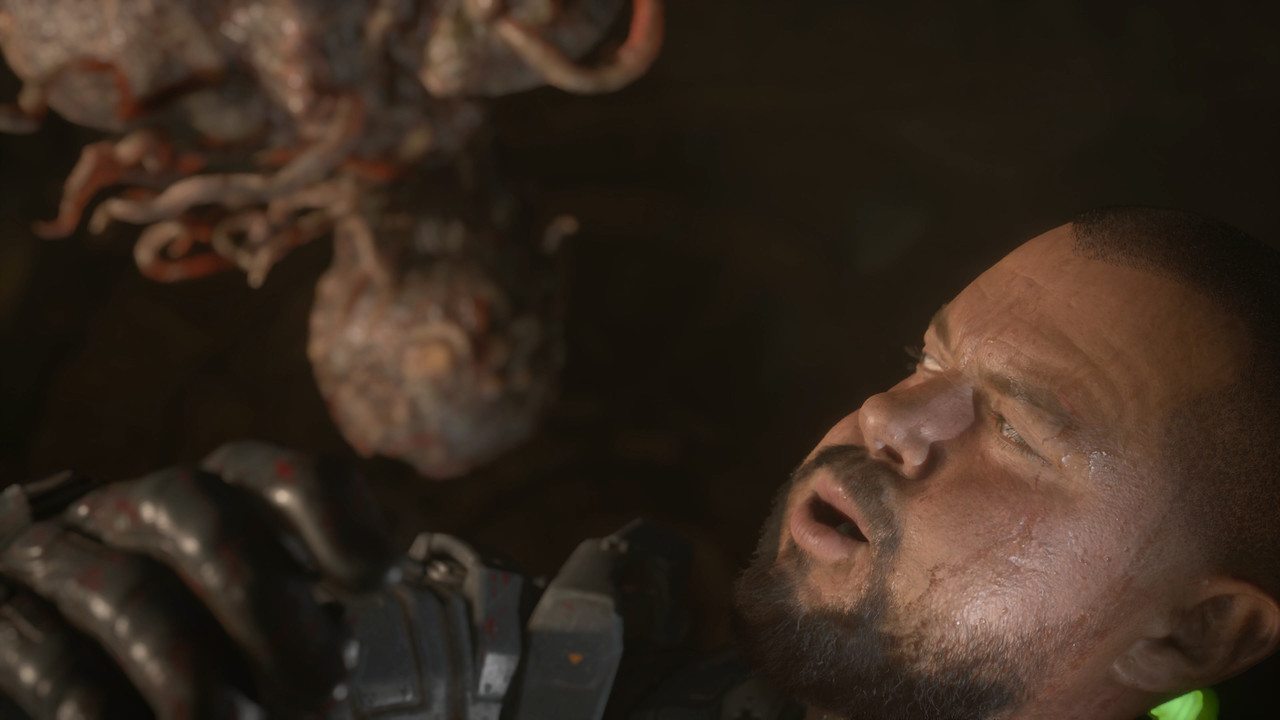
One design choice I thought we had left behind around 2010 is constant forced transitions. Every few minutes you’re squeezing through tight gaps, crawling through vents, or slowly prying open doors by hand.
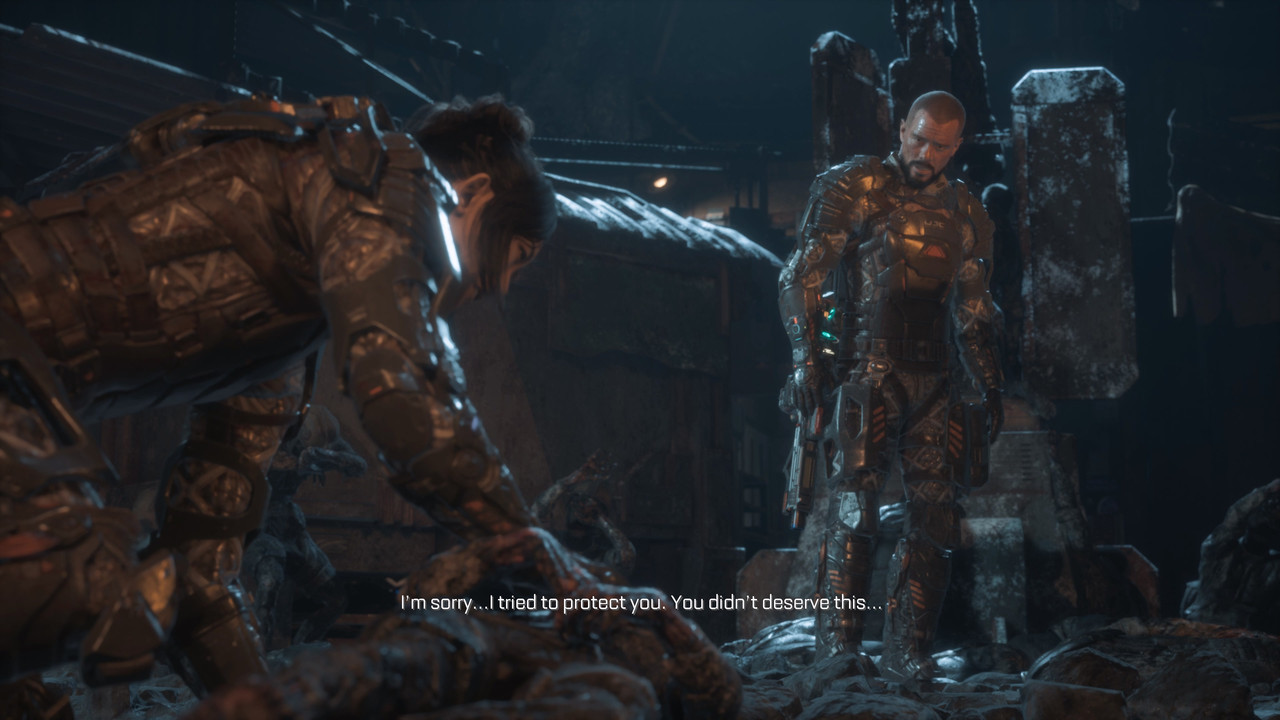
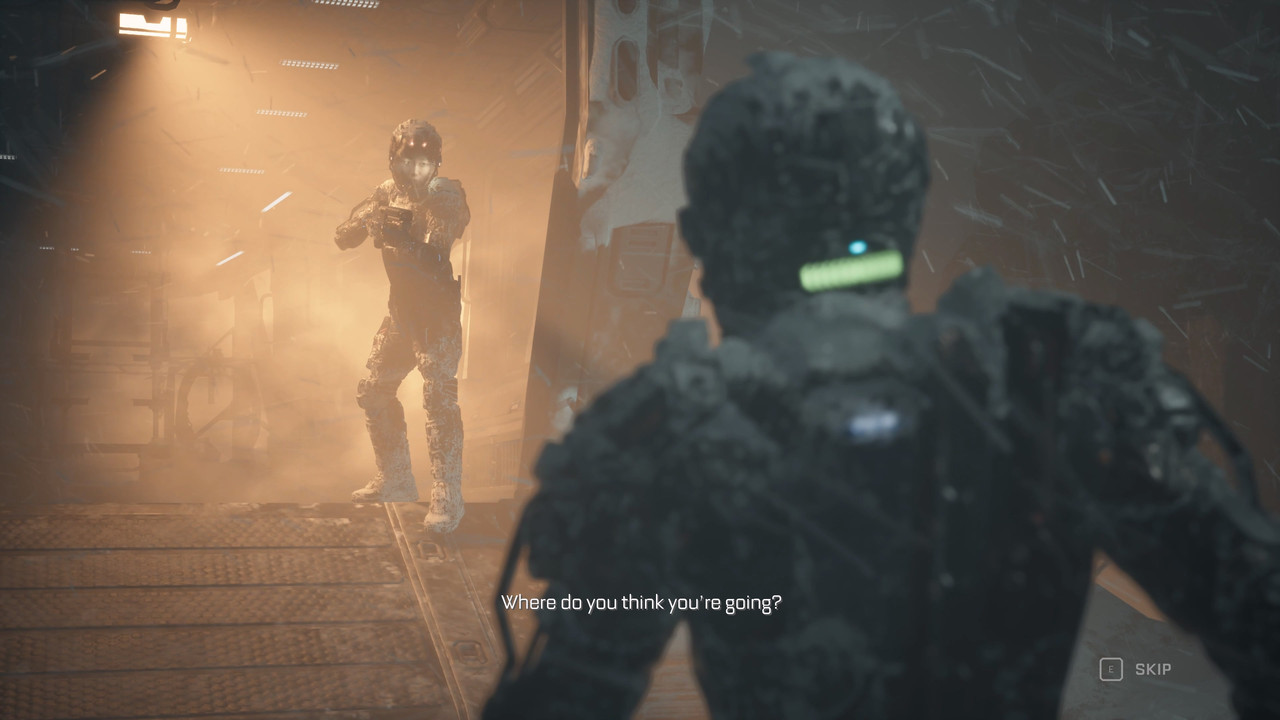
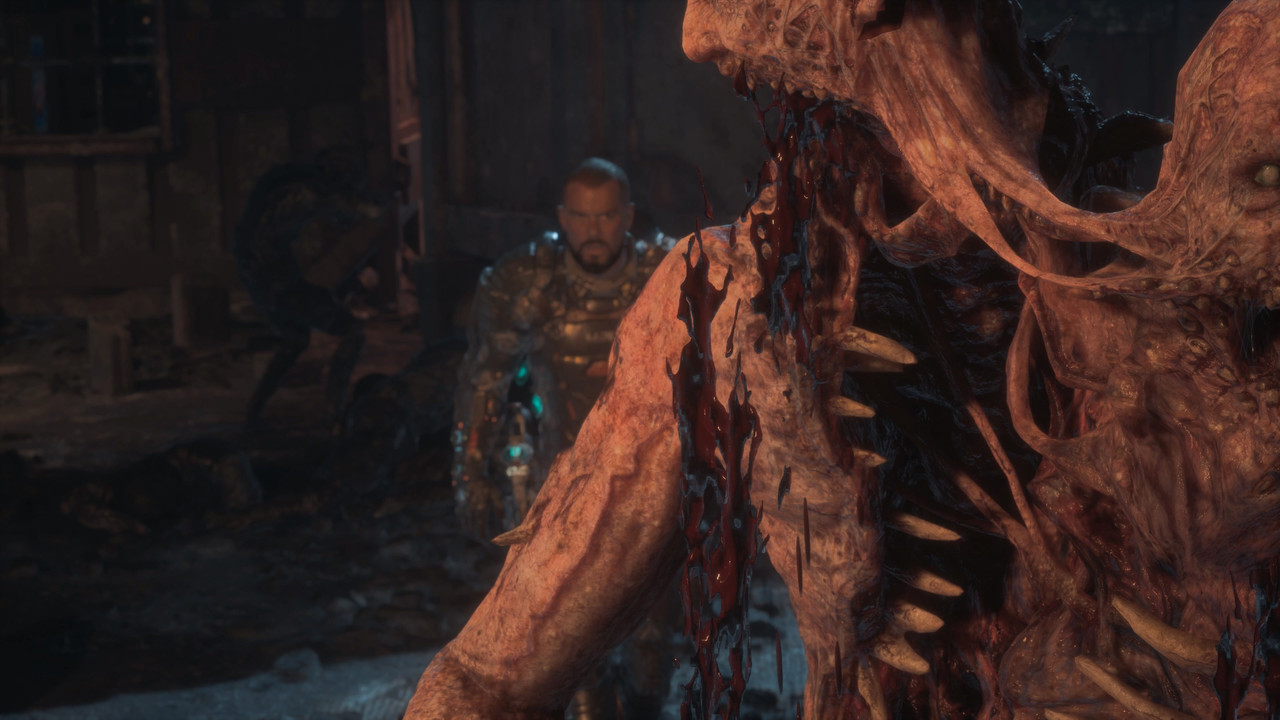
Enemies can mutate if not killed quickly, becoming stronger—something Resident Evil 4 experimented with in a different form. Once you finally get your suit and step outside, the snow is genuinely impressive: not just a flat texture, but something with real depth and volume.
For much of the early game, you’re guided over the radio by another inmate, Elias, who repeatedly finds reasons not to accompany you. I fully expected a betrayal, but instead he simply dies shortly after you escape together.
You later discover the prison’s warden is still alive and sabotages your escape by shooting down your ship. This is followed by a lengthy stealth section involving blind enemies. If you fail to sneak, you can still fight your way through, so it’s not especially punishing—and you can also take them down stealthily. The amusing part is how much noise Jacob makes while doing so, without any of the enemies reacting.
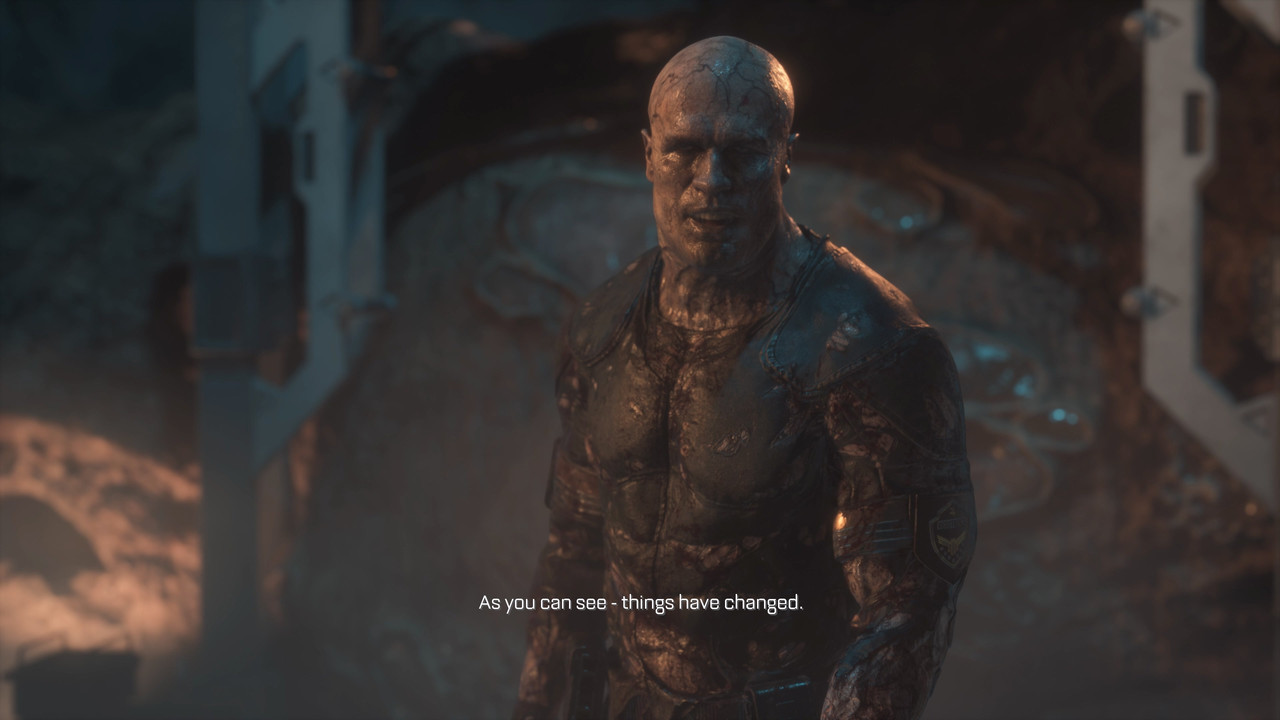
At this point, the game starts to resemble The Order: 1886: visually compelling, mechanically simple but functional, yet not truly excelling in any single area. The first boss—the two-headed ogre—illustrates this perfectly. It looks great, but the fight boils down to dodging attacks and shooting it until it dies.
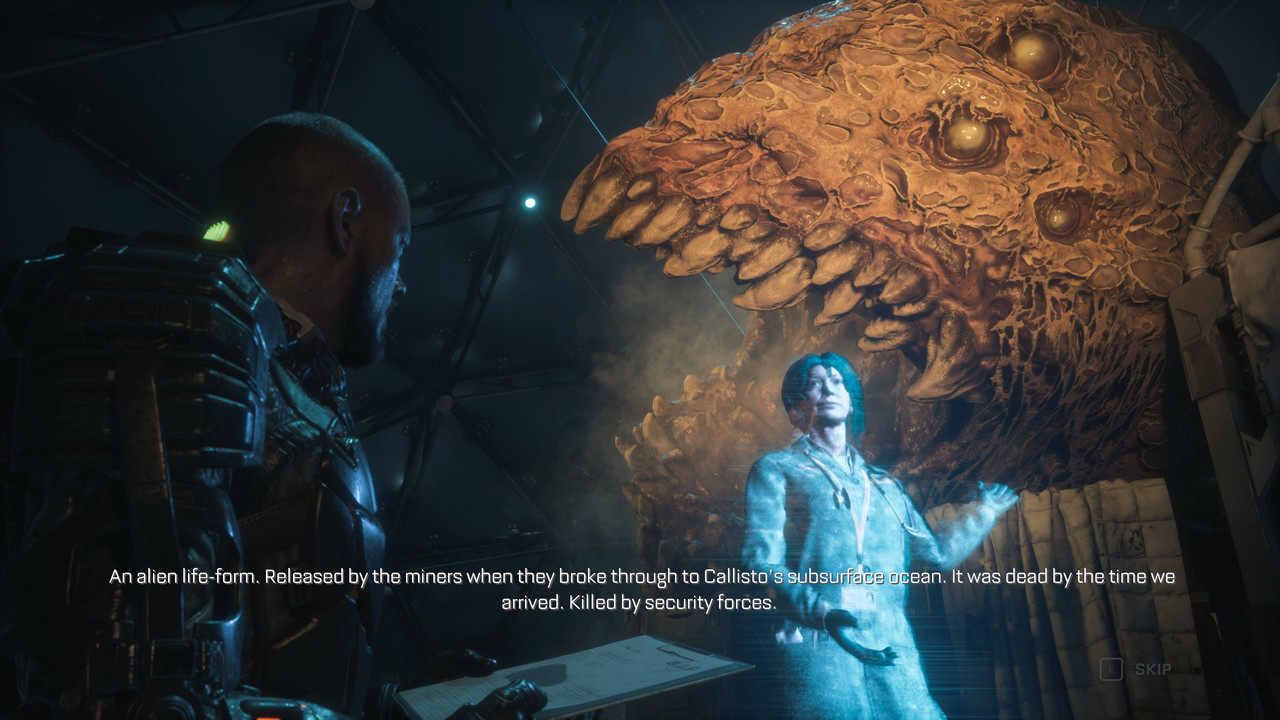
Because Dani mentions reliving memories through the implanted chip, I expected a twist suggesting that everything was a dream or someone else’s memory. Instead, the story plays out fairly straight: a shadowy organization attempting to “evolve” humanity by experimenting on prisoners after discovering an alien lifeform.
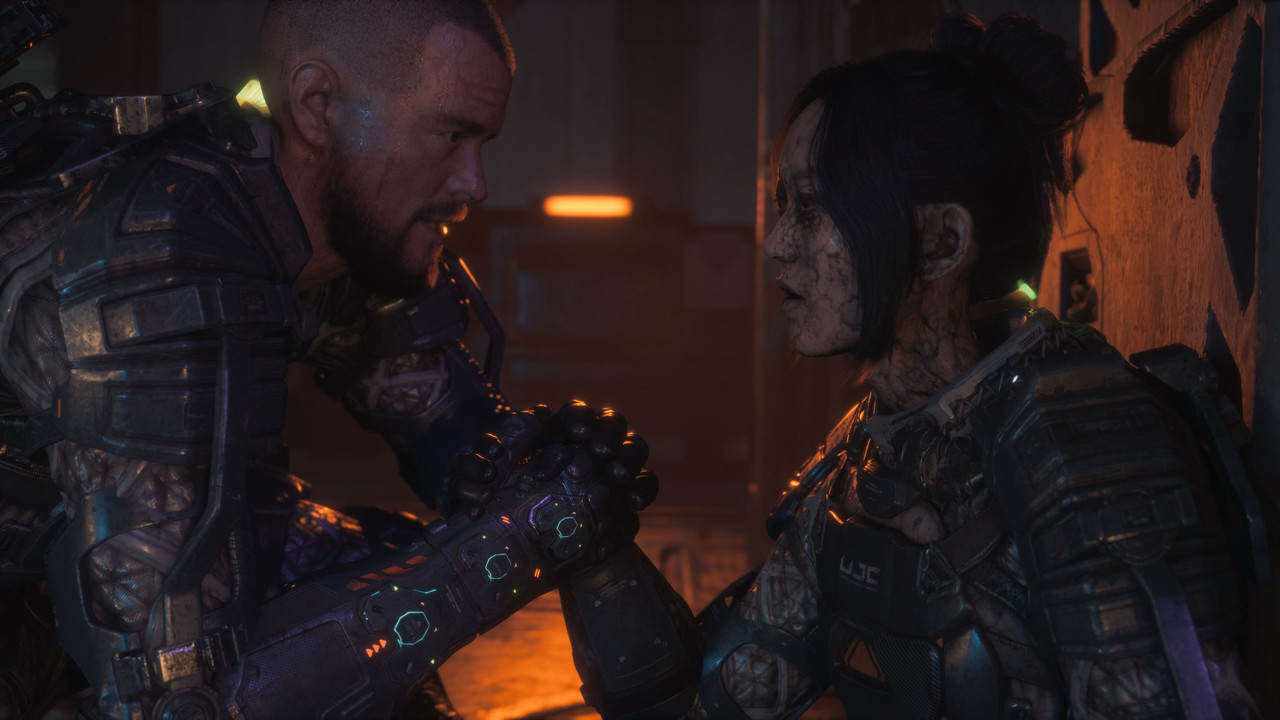
The upgrade system is a bit deceptive. Using telekinesis to throw enemies into spikes or fans is extremely effective—I cleared the entire transporter arena by repeatedly tossing mutated enemies into a fan without firing a single shot. This strongly encourages investing heavily in telekinesis. However, that strategy doesn’t work on bosses, and neither does melee combat, making those upgrades far less useful in the endgame.
The final boss is good, despite its flaws. It’s so massive that it’s hard to read the battlefield, especially with suicide enemies constantly spawning. You’re clearly meant to throw them at the boss, but if you don’t, they’ll kill you—and the boss itself can one-shot you. Still, the weak points are clearly signposted, and among similar “tyrant”-style bosses, this was one of the more enjoyable ones. It’s also the only fight where I found the automatic pistol genuinely useful, since ammunition conservation is no longer a concern.
In the ending, Jacob accepts responsibility for his smuggling operation, which enabled the outbreak on Europa and led to the death of Dani’s sister—the recurring cube imagery from his visions finally makes sense. He sacrifices himself to save Dani. There is DLC that seemingly alters or continues this outcome, but I have no interest in playing it.


