


Review Aleosha 4/5 · Jun 14, 2025
I didn’t expect Greedfall to blow me away—but it did. Maybe that’s because expectations for modern RPGs are generally low these days. But this game kicks off with a crisp, well-paced introduction that clearly lays out the world and character motivations without overwhelming you with walls of text or endless monologues.
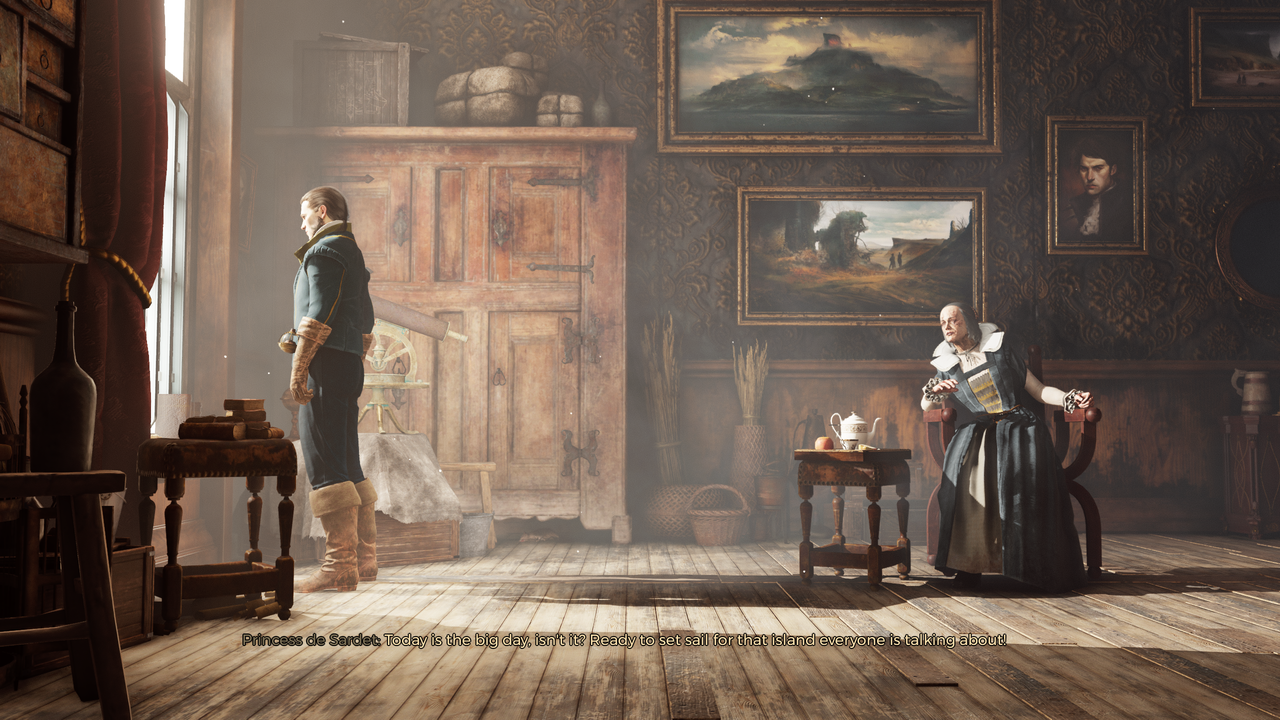
One of Greedfall’s standout features is its morally gray …
I didn’t expect Greedfall to blow me away—but it did. Maybe that’s because expectations for modern RPGs are generally low these days. But this game kicks off with a crisp, well-paced introduction that clearly lays out the world and character motivations without overwhelming you with walls of text or endless monologues.
One of Greedfall’s standout features is its morally gray quest design. Early on, you’re asked by the Alchemist Guild to expose a charlatan selling fake potions. But the situation quickly becomes more complex. He turns out to be a former guild member—so not a total fraud. Then you discover he is selling fake potions, but only to experiment on people in hopes of curing the plague. Meanwhile, the Alchemist Guild is running its own experiments—arguably more dangerous. When the townsfolk find out, they want to lynch him, and you’re left with multiple choices: arrest him, sneak him out, or try to reason with the mob. And that’s just a side quest.
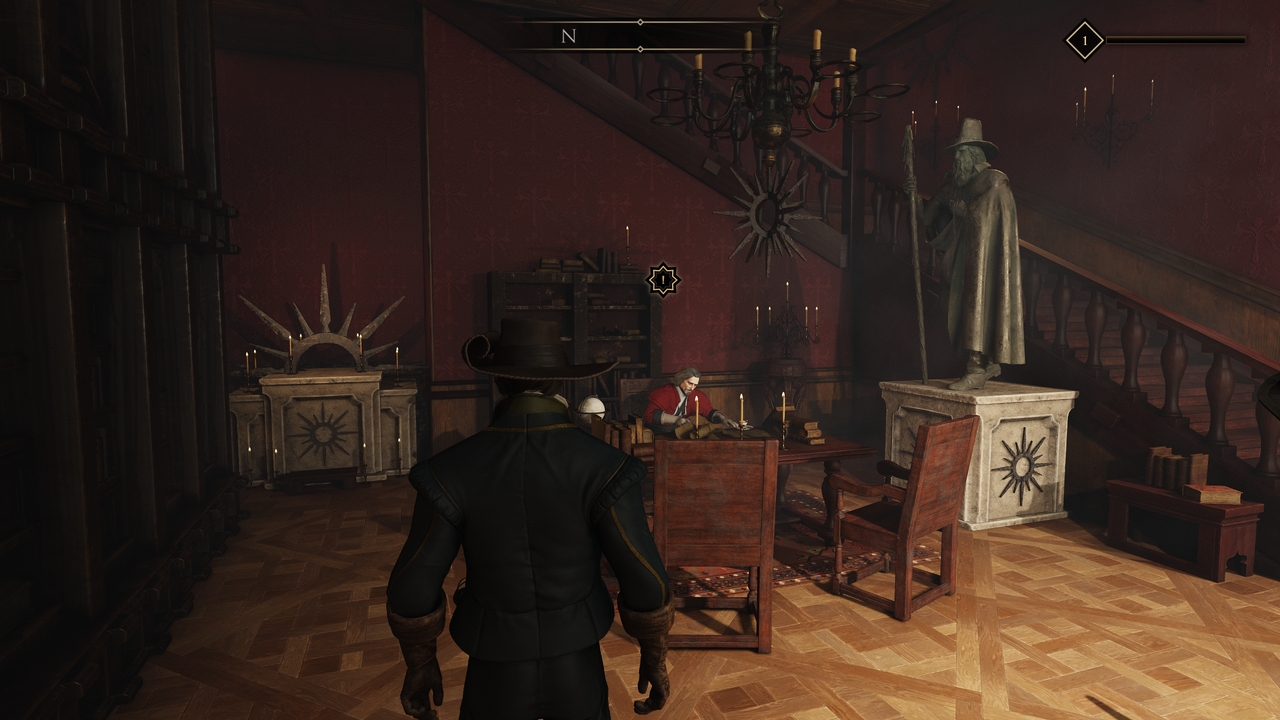
The combat system feels like early Assassin’s Creed—at least the version I remember. Lock-on targeting, left-click to attack, right-click to parry. There's also a rage meter that builds up to unleash a more powerful strike. Interestingly, Greedfall incorporates a Mass Effect-style armor mechanic: you first break armor with blunt weapons, then switch to blades to finish the job. That said, later weapon upgrades can make this tactic unnecessary, as a single weapon becomes effective against both armored and unarmored enemies—undermining the intended combat loop.

What Greedfall lacks in content density, it makes up for in depth. Playing this after Far Cry 6 really highlights the contrast: Far Cry offers a ton of shallow, repetitive content, while Greedfall gives you fewer quests—but they’re more meaningful and varied. This becomes especially apparent when you arrive in San Matheus. I expected a flurry of new tasks but found only one waiting. And while all three royal palaces share the exact same layout (which feels lazy), it at least makes navigation straightforward.

Coming from Kingdom Come: Deliverance, it also took time to adjust to the lack of property or ownership in Greedfall. You can loot anything, even lockpick chests in plain sight—assuming you have the skill.

Speaking of skills, they’re handed out sparingly. I picked “Charisma” at the start, thinking it would let me talk my way through situations. It does—but it's chance-based, and you only get one shot. Fail, and you're out of options—unless you reload or bribe (which, oddly, always works).

Companion quests are broken into multiple phases and are well done overall. However, once you accept one, you’re locked into traveling with that companion until the phase is complete. Since you can only bring two companions at a time, this can be limiting. I learned this the hard way with the “Pirate” companion’s quest.
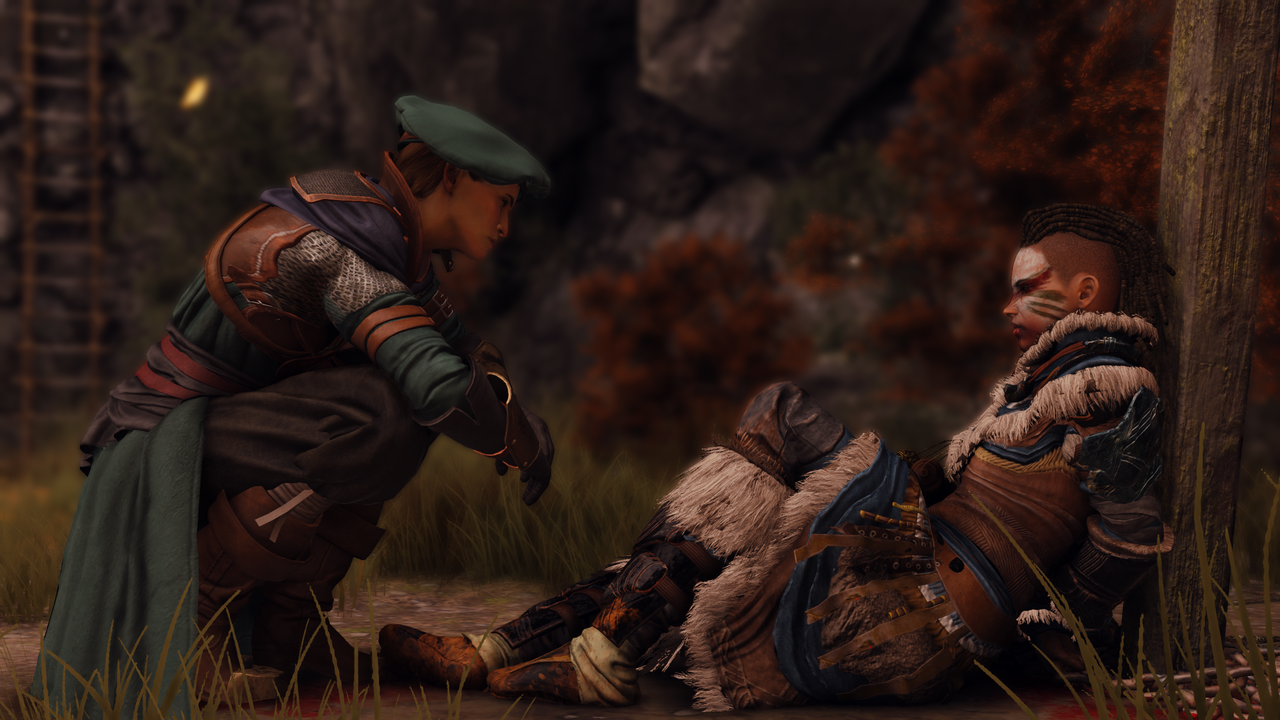
Still, the companion content is impressive. Completing Kurt’s quest before the coup seems to influence his fate—nicely done. Vasco’s storyline is also memorable. His sailor faction sports Maori-style facial tattoos, and finishing his quest changes his appearance, which is a thoughtful detail.
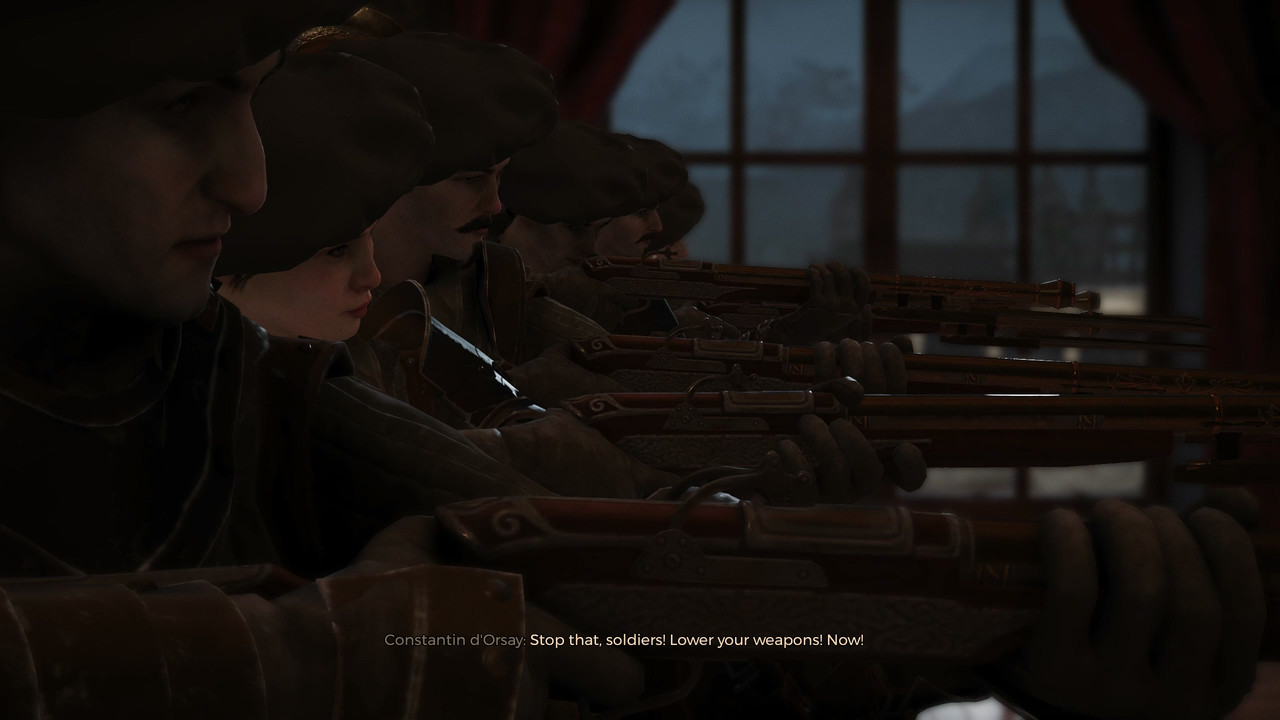
Not everything lands, of course. Reputation mechanics feel a bit rigid. The narrative leans heavily in favor of the natives. For example, you’re almost guaranteed to lose standing with the mercenaries during the coup and with the “Spaniards” because only the native healer can help your cousin. Some loss of favor feels unavoidable.
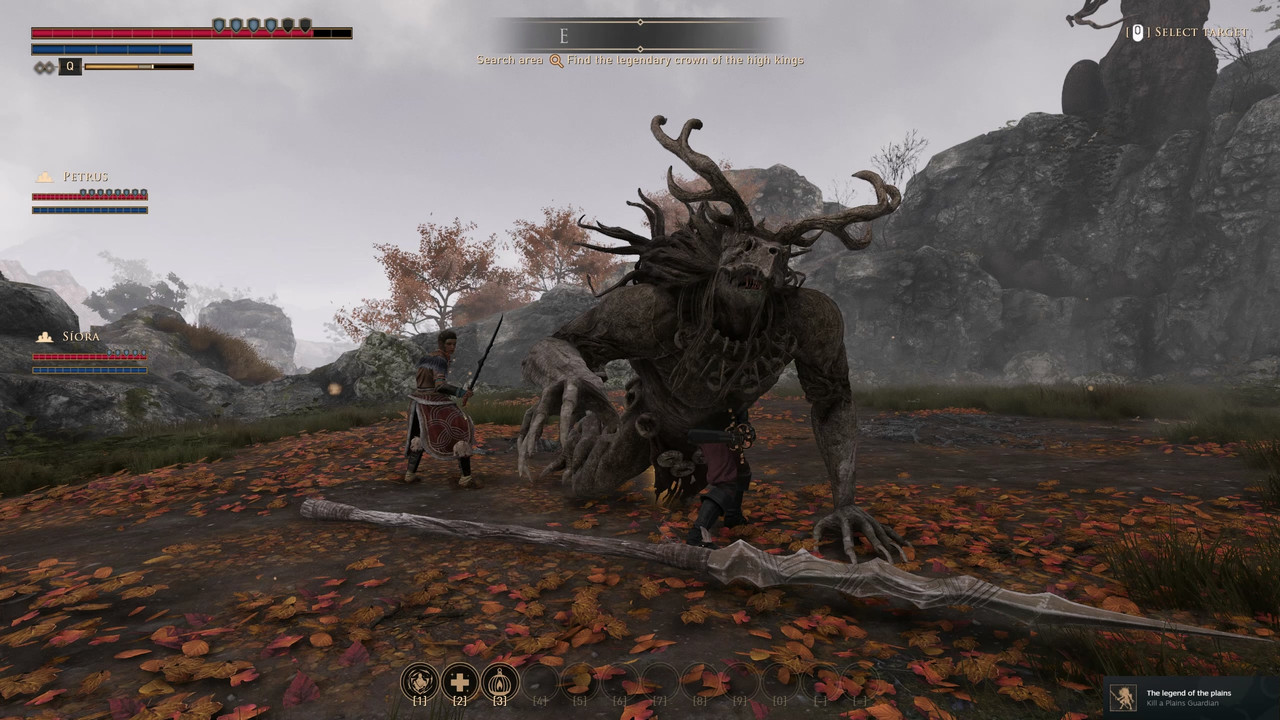
The game also starts to drag toward the end. Monsters don’t scale with your level—which I prefer—but you still have to fight them repeatedly when entering regions. I missed the system from The Witcher, where under-leveled monsters would just run away from you. (Honestly, I think The Witcher is the only game that ever did that.)
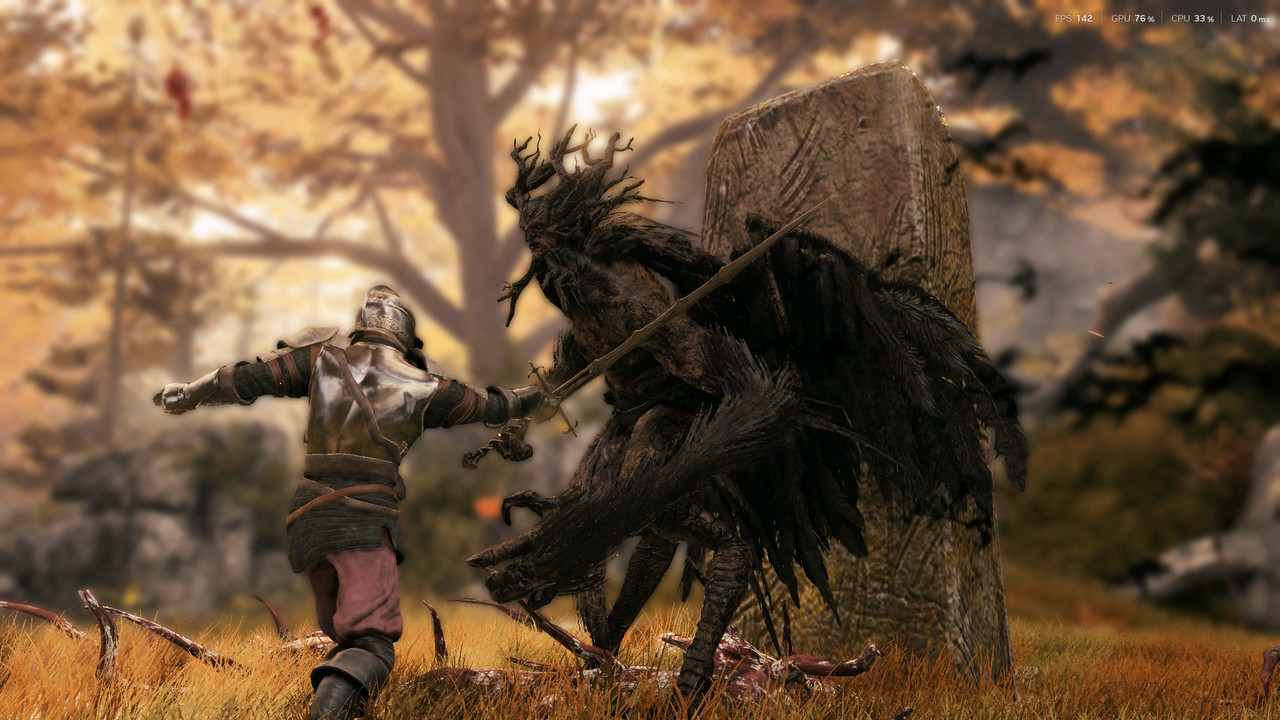
Still, the story is strong—not groundbreaking, but smartly constructed. There’s a compelling push-pull to the narrative. For example, you need to reach the Native High King to uncover the truth behind the plague. But he’s in seclusion, and only his lover knows where he is. She’s being held by scientists, but because you helped them earlier, they let her go without a fight. She leads you to the High King, who turns out to be the antagonist—he kills a native shaman and kidnaps your cousin. In the ensuing confrontation, you even have to kill the very woman you just rescued. Unfortunately, there’s no room for diplomacy here—no way to negotiate with either of them. You're forced into violence, and the natives resent you for it.
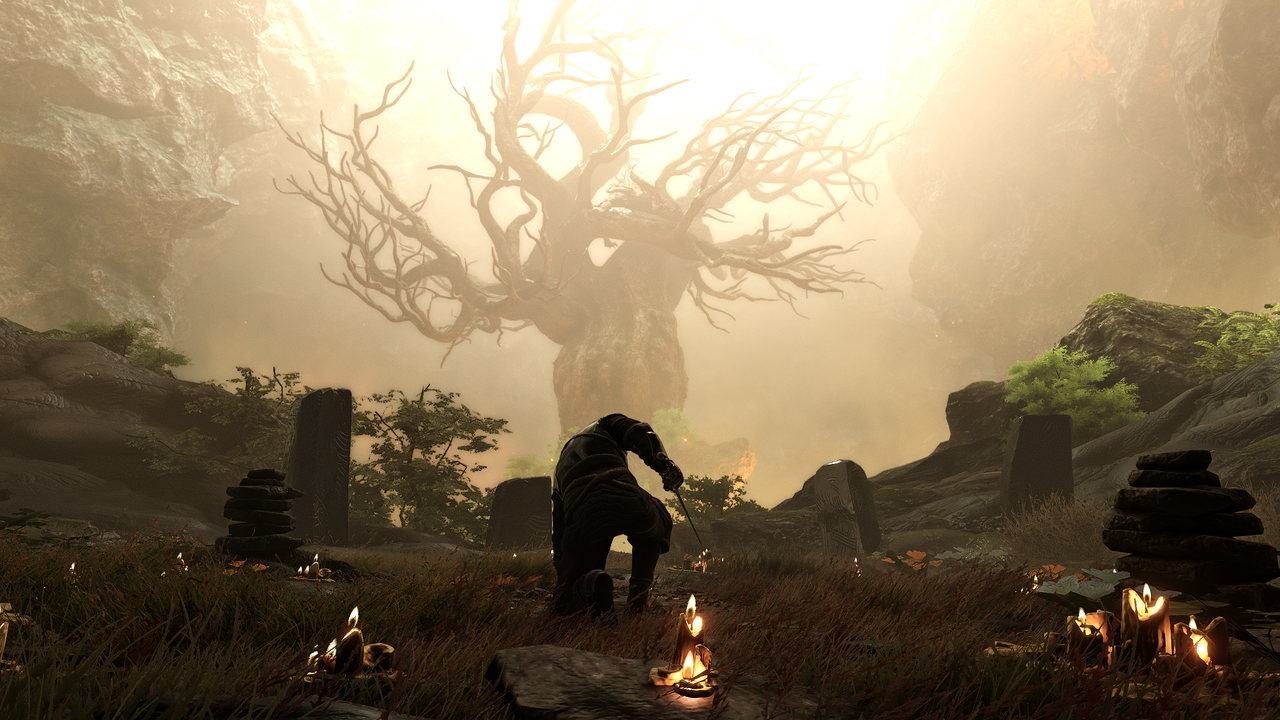
The finale echoes Mass Effect 2—your companions peel off one by one until you face the final choice alone: sacrifice your cousin (who’s done you no wrong) or your companions. The game considers saving your cousin the “bad” ending, though it's never clear why. He never acts tyrannical, even by the end.
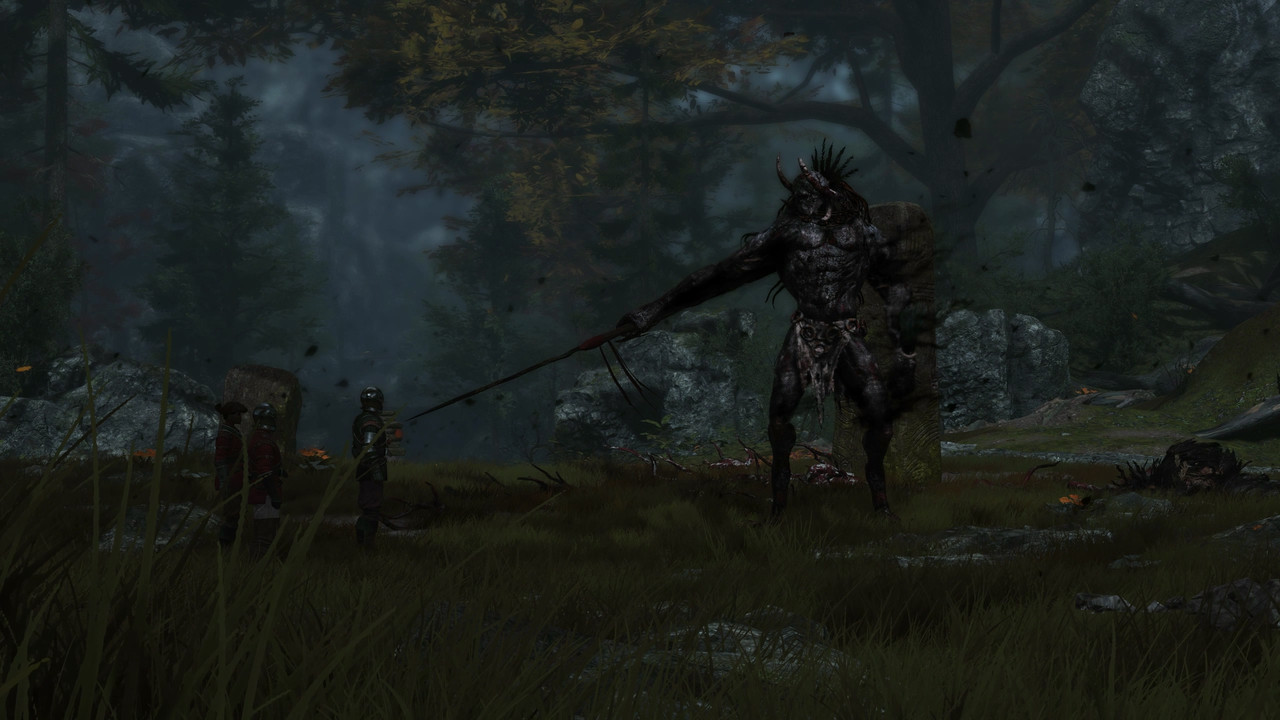
Greedfall isn’t perfect—some systems lack polish, and the late-game pacing could use tightening—but it has a kind of depth and thoughtfulness that’s rare in modern RPGs. The quests are nuanced, the world is politically layered, and the characters feel like they matter. For a game I went into with low expectations, it left a surprisingly strong impression.


