
GreedFall
Main game
3.10 average rating based on 402 ratings
- Developers
- Spiders
- Publishers
- Focus Entertainment
- Series
- GreedFall
- Event
- The Game Awards 2020
- Platforms
- PC (Microsoft Windows), PlayStation 4, PlayStation 5, Xbox One, Xbox Series X|S
- Genres
- Adventure, Role-playing (RPG), Strategy
- Themes
- Action, Fantasy, Mystery
- Steam
- View on Steam
Release Dates
User Stats
How Long Is GreedFall?
Related Content


A good bad game
Greedfall knows exactly the game it wants to be. And that is Witcher 2 meets Dragon Age.
And it almost, almost works
Greedfall takes the typical fantasy genre and bases it off the 1600s instead of the middle ages. There are guns, and boats, and doctors in plague masks. The cultures, terms and objects are all very familiar, though with a constant fantasy twist (including magic) to make it slightly unrecognizable.
You play as a colonist on a island filled with mystery, strange natives, and stranger monsters. One refreshing twist is that you are explicitly a diplomat - you swing swords and fire guns, but your purpose is to find diplomatic solutions to problems. The quests mostly lend themselves to this approach and many have multiple solutions depending on your diplomatic skill or choices.
The story is a bit of a wash. It goes some interesting places as you interact with the 5(ish) major factions as you learn the mysteries of the island and try to find a cure for a plague back on the mainland, but by hour 20 I was ready for it to end and it unfortunately went on for another 20 hours.
Greedfall is limited heavily …
Greedfall knows exactly the game it wants to be. And that is Witcher 2 meets Dragon Age.
And it almost, almost works
Greedfall takes the typical fantasy genre and bases it off the 1600s instead of the middle ages. There are guns, and boats, and doctors in plague masks. The cultures, terms and objects are all very familiar, though with a constant fantasy twist (including magic) to make it slightly unrecognizable.
You play as a colonist on a island filled with mystery, strange natives, and stranger monsters. One refreshing twist is that you are explicitly a diplomat - you swing swords and fire guns, but your purpose is to find diplomatic solutions to problems. The quests mostly lend themselves to this approach and many have multiple solutions depending on your diplomatic skill or choices.
The story is a bit of a wash. It goes some interesting places as you interact with the 5(ish) major factions as you learn the mysteries of the island and try to find a cure for a plague back on the mainland, but by hour 20 I was ready for it to end and it unfortunately went on for another 20 hours.
Greedfall is limited heavily by its budget. You will see many, many, many repeats of content. The same buildings, the same enemies, the same animations, the same voice actors, and so on. This makes its length an even bigger problem, as you end up doing a lot of the same actions over and over again. The end result was me switching the difficulty to Easy and mashing my way through dialogue to get to end credits.
I'd describe my time with Greedfall like eating a big bowl of Chef Boyardee. I know it's bad for me. I know there are countless better choices out there. And yet... I don't want to stop. It's tasty in a very specific way. It reminds me of being a kid.
And I might regret it immediately afterward, but it won't stop me from heating up another can the next day.

Sun Never Sets
I randomly saw an ad for this game on YouTube sometime back, and the colonial aesthetic had my interest. It’s also published by Focus Interactive, who haven’t steered me wrong with period piece games, Vampyr notwithstanding. Greedfall is an AA game that knows its limitations and makes the best use of them.

At the risk of sounding like a pretentious hipster, I have to say I’m really starting to appreciate AA developers over AAA. They are usually a little freer to take risks on unusual ideas that may only hit a niche market. There isn’t as much pressure to make the biggest, most advance, prettiest game that has to sell 7 billion copies day one. With Greedfall, developer Spiders created a fantasy world with a very heavy colonial influence, and I absolutely love it. I’ve never gotten into the standard medieval fantasy setting, but I like the colonial era, so a fantasy game set there is my cup of tea. The world building lore is done well in this game. You can figure out how this colonial world functions within a few short, for an RPG, conversations.
There’s five old world nations you interact with; you are a member of …
I randomly saw an ad for this game on YouTube sometime back, and the colonial aesthetic had my interest. It’s also published by Focus Interactive, who haven’t steered me wrong with period piece games, Vampyr notwithstanding. Greedfall is an AA game that knows its limitations and makes the best use of them.
At the risk of sounding like a pretentious hipster, I have to say I’m really starting to appreciate AA developers over AAA. They are usually a little freer to take risks on unusual ideas that may only hit a niche market. There isn’t as much pressure to make the biggest, most advance, prettiest game that has to sell 7 billion copies day one. With Greedfall, developer Spiders created a fantasy world with a very heavy colonial influence, and I absolutely love it. I’ve never gotten into the standard medieval fantasy setting, but I like the colonial era, so a fantasy game set there is my cup of tea. The world building lore is done well in this game. You can figure out how this colonial world functions within a few short, for an RPG, conversations.
There’s five old world nations you interact with; you are a member of the Congregation of Merchants, they have an old English/French look to their buildings and clothing. Even though it’s your nation, you don’t really interact with other members, besides your cousin. There’s Theleme, they’re a mix of Puritans and Conquistadores, it’s a very cool anesthetic. They are the religious zealots of the game, as such, I figured they’d be some unredeemable bad guys, but while they’re guilty of shady business, they aren’t the boogeymen I expected them to be. The Bridge Alliance, the third old nation has an Ottoman Empire vibe, making them look a little different from the Merchants & Theleme. They are the scientists and are much more aggressive in their misdoings than the Theleme. Maybe it was how my choices played out, but I remember working more with Theleme in the game and only visited the Bridge at the end of the game and usually as an antagonist. The last two old word powers are more of workman’s unions, the Nauts are the sailors of the world and the only ones allowed to sail ships thanks to their “magic”, that’s actually a fun story bit I won’t spoil. The Coin Guard are the professional soldiers of the world. I honestly don’t get how this works, if all the nations just use mercenaries that belong to the Guard first and their nation second, how do they keep from being overthrown, which the game realized that and there’s another story bit about that. The final nation you interact with is the natives on the island of Tir Fradee. They are the predictable mix of American Indians, Pacific Islanders, and Neolithic Cavemen. Much like a Dances with Wolves or Pocahontas, you are supposed to sympathize with them as the noble savages. The colonial aspect is much more 1600s, instead of late 1700s, which was a bummer to me cause I wanted to run around in American Revolution inspired military outfits, commanding lines of musket men. You also aren’t the first nation on the island, and so the game doesn’t have quite as much of the frontiersman vibe I was expecting, the world looks relatively civilized and there aren’t a lot of frontier towns, just the three main cities.

As for the fantasy part of this colonial fantasy, it’s actually pretty tame. I would consider it a low fantasy game. The native shamans have nature magic and Theleme has God given magic and there is lots of weird creatures on the island, but magic isn’t really a big aspect of the experience. I mean, a lot of the story is about searching for a god, and it goes a bit Captain Planet at the end, but still there isn't much wild magic to achieve this. Most of the world operates as a regular world, which I’m a fan of.

So, now that that book report of the world lore is over, what about the actual story, so spoilers ahead. You play as De Sardet… the legate of the Congregation, as he often reminds people. As the diplomat and cousin of the new governor, your job is to establish connections and colonize the newly discovered island of Tir Fradee. Most of act 1 is just going about the daily job of being a diplomat. Helping out your neighboring cities and making a good impression with the natives. There’s an overarching goal of finding a cure for the old world disease, Malichor, on the new island that drives the story forward. There’s also concurrent stories running revolving around your connection to the island, the ancient explorers, and general political intrigue. Most of the missions even the side ones are interesting. There is one that involves land deeds and contracts with lots of backtracking that kinda drags. A little over halfway we are introduced to a sort of villain, the native’s High King, who has never been mentioned up to this point as it seemed the native villages were pretty self-governed. Your cousin, Governor Constatin, catches the Malichor as well, and through some native magic he becomes connected to the island magic, which sets up the final act. This game suffers from the same RDR2 problem of having a slow first act and cramming a lot of big story beats in the final act. Luckily, this game is much shorter.

During your story quest you have a few companions you can take along with you. Like BioWare games, which is a heavy inspiration here, you can have two followers with you. Each of the five companions belong to a different group, so if you are doing a quest for the Bridge it would be good to have Aphra with you as companions can take an active role in conversations. I usually ran with either Kurt, because he’s a good tank and fun character, Petrus or Siora. It really pays to keep Siora, the native, with you as you spend a lot of time with the passively hostile natives and she can help loosen lips or get you into secret areas. You can play a manly game of dress up with all of them and it pays to give them the best armor & weapons. The final level ends with you marching on the bad guy with all 5 companions in tow. Those types of “here comes the cavalry” moments are a favored cliché of mine in RPGs, so it was awesome to have all my decked up heroes at my side. It is short lived as they peel off to help others through the mission. The companions’ loyalty missions also tie into the main story, which was kind of cool. It’s through Petrus’ quest you learn about your true parentage, and I thought they were going to pull a Darth Vader moment there for a second.
The music in this game is actually pretty great for an AA game. It has a good mix of period sounding pieces with great orchestral swells, best illustrated at the beginning when you set sail. There’s some more ambient, synth tunes for general exploring, and the native villages have some really neat tribal tunes that remind me of old Fallout 2 music.
When following this game’s release, I was a little concerned about the combat. With the BioWare influences, I was afraid of another Inquistion style system of holding one button to attack. While the combat is a little janky, not a surprise given the budget nature of the game, it reminds me more of classic Assassin’s Creed. You have an attack, dodge, and block button and your gun is on a quick shot button. It isn’t anything worth writing home about, but it gets the job done. I would have preferred a bit more depth to the shooting mechanics to make a primary musket user a viable build, again to get more of a late colonial era feel.

As I’ve mentioned many times, this is an AA title game. You can see where they had to cut corners because of budget. It’s a lean game, it has all the essentials, but none of the added fat. A lot of the building interiors all look the same; the Taverns, Barracks, Houses, Governor Mansions. While that wouldn’t fly in a modern day, big budget game, it does give me a nostalgic feeling for those late PS2/early PS3 era games where they were just dipping their toes into open world games, like the Godfather game. Greedfall isn’t a true open world game, the island is broken down into zones and they can be pretty linear. It really only gets annoying when you have to do some backtracking. Another corner cut is in the animation department. This is probably the most noticeable. NPCs in town just kinda walk around with no real direction and might go stare at a wall. Spiders didn’t have the resources to make big battles or elaborate movements beyond the general dialogue motions. It is a little disappointing in one mission where you have to build a defense for a trial, you round up all the witnesses, but then the trial happens off screen.
There's also an issue with headtracking during conversatisons, NPCs will look at other NPCs while addressing you. Dialogue is also very sparse, I mean you do a lot of talking, but it’s all in service of those main plot threads. Your companions have only two combat lines, and they don’t have much to talk about outside mission info. It does hurt the game some in giving the characters, well, character. Your character, De Sardet, does suffer from some blandness. I think this is due to this being a “choose your path” game, a lot of those games can’t have too defined heroes, because it’s up to you to define them which leads to a bland character to fit everyone’s playstyle. Also, keep your subtitles on, because this game has a bad habit of cutting off dialogue. If this game had an AAA budget, it would be near perfect.

All in all, don’t go in expecting Rockstar/Ubisoft/BioWare levels of quality, because this game does have a bit of jank. Still, it’s not enough to call this bad cause there’s a lot of heart in here and the story and unique world is fun. You can tell Spiders were really passionate about this game and put the time in to make it great. The graphics are actually pretty good, kicking way above their weight. If you have an interest in a low fantasy world with a heavy colonial twist, this is a game you’ll enjoy. Honestly, it just makes me want for an American frontiersmen game, but I would settle for a sequel to Greedfall. They spent too much time making this world to just let this be the only entry.

The poor man’s Inquisition with a ton of issues and a lot going for it
This review is for the Xbox One version
If this is too long a read, the conclusion serves as a TLDR.
This is one of those games that really wear their influence on their sleeve. The Witcher 3 can be seen on several things from architectural to quest design, but it’s the Bioware formula that is especially prevalent in Greedfall. I couldn’t help but draw parallels between it and Inquisition throughout my entire playthrough, from the world building to the companion system, from the map style to the dialogue, from the tone choice to the political intrigue. And this is a bit of a bittersweet thing, because as much as Greedfall takes inspiration from these games, the budget restrictions are obvious in almost every single one of the aspects it tries to replicate.
There’s a good chance everything critical you heard about Greedfall is accurate. True to Spiders form, this game lacks polish and refinement, almost unapologetically so. There is jank, there are graphical glitches and there is a fair amount of clipping. Facial animations are lacking and lip synching is poor to say the least. The toll on performance in forest areas is frustrating, and the amount of indoor asset recycling really hinders immersion. Having one …
If this is too long a read, the conclusion serves as a TLDR.
This is one of those games that really wear their influence on their sleeve. The Witcher 3 can be seen on several things from architectural to quest design, but it’s the Bioware formula that is especially prevalent in Greedfall. I couldn’t help but draw parallels between it and Inquisition throughout my entire playthrough, from the world building to the companion system, from the map style to the dialogue, from the tone choice to the political intrigue. And this is a bit of a bittersweet thing, because as much as Greedfall takes inspiration from these games, the budget restrictions are obvious in almost every single one of the aspects it tries to replicate.
There’s a good chance everything critical you heard about Greedfall is accurate. True to Spiders form, this game lacks polish and refinement, almost unapologetically so. There is jank, there are graphical glitches and there is a fair amount of clipping. Facial animations are lacking and lip synching is poor to say the least. The toll on performance in forest areas is frustrating, and the amount of indoor asset recycling really hinders immersion. Having one single blacksmith and one single alchemist in the entire map is ludicrous. The AI aggro radius is laughable, the inability to jump in a game like this feels really weird, and so much invisible walling in a world that otherwise invites so much exploration is borderline insulting. Most (not all) of these can be excused by the studio’s financial limitations, and none of them breaks my top 3 in terms of issues. To me, there are three bigger problems in Greedfall:
haphazardly implemented RPG mechanics. You can steal at will, there are few meaningful consequences stemming from your choices (which already feel too black and white from a moral point of view), the disguise system feels like an afterthought, crafting is underdeveloped, and looting is underwhelming. There is commendable ambition in this game, yet it is that same ambition that highlights its surface level mechanical execution;
inconsistent pacing. The third act drags out way too much. This in particular makes the game go on for a lot longer than it needed to. Limited budget means limited resources, and this is painfully notorious in Greedfall’s repetitiveness. Which is disappointing, since it highlights a design flaw that has nothing to do with lack of money and could’ve therefore been avoided;
frustrating quest design. The overall narrative is great and fitting, but the fetch quest structure is very present, even if they sometimes try to dress it up as something else. Some missions can be infuriating because of this
(the Logging Expedition and Blood Prince missions are especially egregious in this regard).
At this point, anyone reading might feel confused about going through the barrage of criticism after a somewhat complimentary title, but that is basically testament to how the game excels in what it does well. The promise of what’s to come is the first thing that stands out once you start playing Greedfall. From the very early onset the game gets its hooks on you with the alluring prospect of setting off to explore this mysterious, mystical land, and by the time you start noticing some of its issues, chances are you’re already committed to see it through. Another thing the game does really well is storytelling. Unlike Inquisition, whose great political narrative had to compete with a lukewarm main story and a boring ass villain, the political intrigue in Greedfall is a strongly designed centrepiece around which every other narrative thread falls into place. This is enhanced by a decent use of environmental storytelling, a surprising amount of situational dialogue and truly impressive voice work, especially for an indie. Directly tied to this is the amazing job they did with the dialect they created for the native faction, which almost feels custom made to perfection. All these aspects, combined with the conceptually solid colonial backdrop (which is something we don’t often see in games, so it feels fresh even if at times it seems under-explored), anchor Greedfall in a strong sense of realism which goes a long way towards selling the illusion, especially in those moments when its issues stretch the suspension of disbelief to its limit.
On the RPG side of things, for all the problems already mentioned there are also some aspects that stand out in a genuinely satisfying way: the sense of progression is one of the soundest and better balanced I’ve experienced in recent memory; the companion levelling design is well handled (though those looking for customisation will likely feel disappointed); all three progression trees are clean and deep. The Talents and Attributes trees specifically are very well paced since you only get points for them every few levels, which encourages true specialisation and avoids the common jack-of-all-trades trap; the gear system is well executed and enjoyable, if perhaps a bit oversimplified; and the combat, although far from perfect, is actually deeper and more satisfying than I thought it would be (though mine was a mage character, so I’m not sure if this would still translate to a melee build in the same way).
All these pluses put together make Greedfall something very easy to recommend to every RPG fan, except for those particularly reactive to lack of polish. From a macro perspective, its biggest problem is that the impressive scope and ambition don’t match its execution. Everything related to budget restrictions can be easily forgiven, but the aspects that stem from simple choice or incompetence are disappointing. As a whole, however, this still stands as one of the most laudable RPG efforts of the past few years. Its refreshing setting, inspired storytelling, world building detail and undeniable charm underscore the fact that ultimately, even with all its (mostly technical) issues, Greedfall is a clear labour of love that deserves genuine praise. 8/10.

Blandness
This review is for the PlayStation 4 version
GreedFall started off promising, however as the hours passed by my interest in the story was fast diminishing. The 1st half of the game got me invested in the story, in side quests, but the 2nd half not so much. It became repetitive, bland and flawed. The voice acting was annoying. The story had potential but by the end of the game I was hanging by a thread, wanting to give up. I barely made it to the credits, because I still wanted to see how the story ended.
Very nice world and story, with some passable gameplay
This review is for the PlayStation 4 version
I got this included in Playstation Plus and went in mostly blind - I was quite surprised that this is a "proper" RPG - I was pessimistically expecting an Assassin's Creed inspired RPG-lite, but it actually more resembles an early Bioware title than anything from Ubisoft.
The setting is very interesting, with several continental powers settling a remote island and interacting with the native population (definitely-not-an-America-analogy). Playing as a "Legate" (diplomat/emissary type position) in this environment was a great role for the player, as it gives you a good excuse to interact with just about everybody. There's a reasonable amount of side content - a good sweet spot where quests all feel unique and story driven (not just mindless fetch quests) but you almost always have something to do in addition to the main story. There's some cool worldbuilding, painting a picture of the world outside of the island (which you don't actually see outside of the prologue).
Most of the characters don't really develop a lot, remaining fairly constant throughout the story, but each have distinct personalities and I found myself carefully selecting who to bring with me on each quest.
The actual gameplay is fine, but clearly didn't …
I got this included in Playstation Plus and went in mostly blind - I was quite surprised that this is a "proper" RPG - I was pessimistically expecting an Assassin's Creed inspired RPG-lite, but it actually more resembles an early Bioware title than anything from Ubisoft.
The setting is very interesting, with several continental powers settling a remote island and interacting with the native population (definitely-not-an-America-analogy). Playing as a "Legate" (diplomat/emissary type position) in this environment was a great role for the player, as it gives you a good excuse to interact with just about everybody. There's a reasonable amount of side content - a good sweet spot where quests all feel unique and story driven (not just mindless fetch quests) but you almost always have something to do in addition to the main story. There's some cool worldbuilding, painting a picture of the world outside of the island (which you don't actually see outside of the prologue).
Most of the characters don't really develop a lot, remaining fairly constant throughout the story, but each have distinct personalities and I found myself carefully selecting who to bring with me on each quest.
The actual gameplay is fine, but clearly didn't have as much thought put into it as the story. The combat is an uninventive and somewhat clunky A-RPG system, where you can combine melee attacks, ranged attacks, spells, potions, and traps to find a style that suits you. There are some non-combat obstacles which are overcome by talents you pick when levelling up - e.g. lockpicking allows you to open doors without having a key, vigour allows you to jump over crevices or climb walls, charisma allows you to persuade or intimidate NPCs (which feels very thematic for a legate, so I recommend levelling this up!)
Unfortunately the structure of most quests gets a little dull, often relying on "Arrive at location 1, talk to NPC A, fast travel to location 2, talk to NPC B, fast travel back to location 1, talk to NPC A again". The "fast" travel system is a little slow which makes this frustrating, especially when it's not broken up by much aside from a short conversation.
There are a lot of choices made throughout the game that I've found myself wondering about, but I'm in no rush to replay and find out what I missed.
All in all, I'd say this is a good game for anyone into RPGs and isn't fussy about combat mechanics. I'd play a sequel (or similar game from the same developer) if one is made.

Fun, easy RPG
This review is for the PC (Microsoft Windows) version
Bit of a Risen clone. Quite easy combat, but it's a good story and art.

zadrotimus's review of GreedFall
Не закончил.
Лучшая игра Spiders, но играть в это по-прежнему не стоит. Но зато играть уже не больно. Занятный, в общем-то, сеттинг, тонет в нехватке бюджета на разработку. Поэтому Уровни — кишки, окружение — копипаста, но чтобы было удобно играть — каждый квест помечен на карте, а варианты прохождения либо тоже отмечены, либо настолько очевидны, что и отмечать не требуется. В итоге, получается не то чтобы ролевая игра, но скорее кинцо с большим количеством беготни и проверкой навыков.
Баланс в игре не ночевал, но в этот раз, в отличие от Bound By Flame, всё на стороне игрока. Легко можно раскачаться так, чтобы выносить всё живое. Со всеми фракциями можно установить хорошие отношения.
В общем, игра не требует от тебя никаких усилий, да и играть не особенно интересно. Такой себе РПГ-фастфуд — утолить голод хоть чем-то ролевым, пока не вышло что-то нормальное. Но если есть поиграть что-то хорошее, то зачем играть в это? Но для Spiders, повторюсь, прогресс огромный.

Aleosha's review of GreedFall
This review is for the PC (Microsoft Windows) version
I didn’t expect Greedfall to blow me away—but it did. Maybe that’s because expectations for modern RPGs are generally low these days. But this game kicks off with a crisp, well-paced introduction that clearly lays out the world and character motivations without overwhelming you with walls of text or endless monologues.
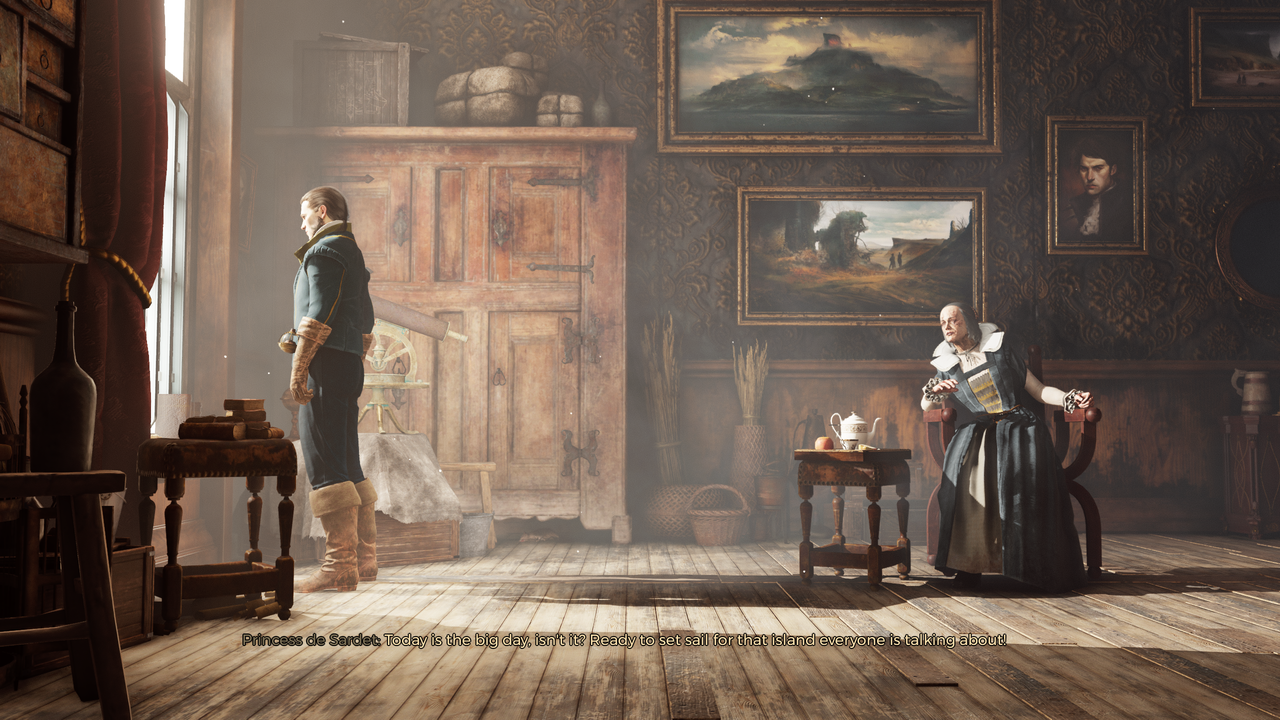
One of Greedfall’s standout features is its morally gray quest design. Early on, you’re asked by the Alchemist Guild to expose a charlatan selling fake potions. But the situation quickly becomes more complex. He turns out to be a former guild member—so not a total fraud. Then you discover he is selling fake potions, but only to experiment on people in hopes of curing the plague. Meanwhile, the Alchemist Guild is running its own experiments—arguably more dangerous. When the townsfolk find out, they want to lynch him, and you’re left with multiple choices: arrest him, sneak him out, or try to reason with the mob. And that’s just a side quest.
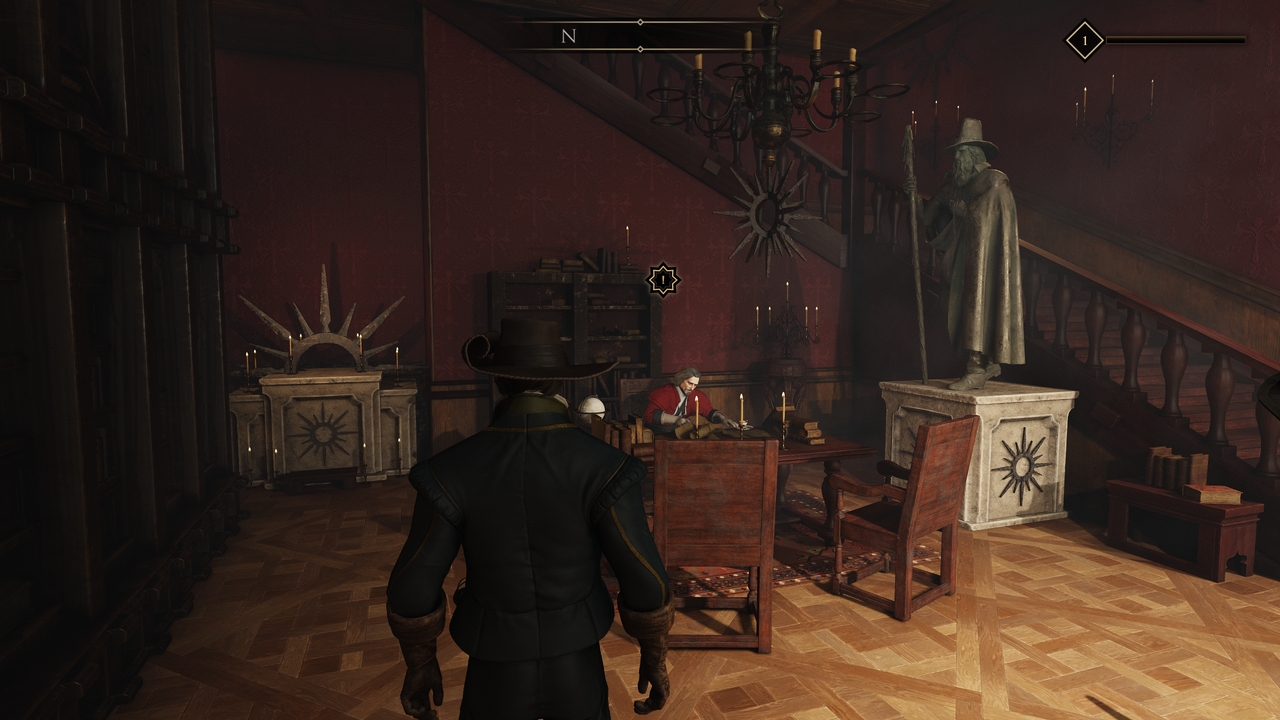
The combat system feels like early Assassin’s Creed—at least the version I remember. Lock-on targeting, left-click to attack, right-click to parry. There's also a rage meter that builds up to unleash a more powerful strike. Interestingly, Greedfall incorporates …
I didn’t expect Greedfall to blow me away—but it did. Maybe that’s because expectations for modern RPGs are generally low these days. But this game kicks off with a crisp, well-paced introduction that clearly lays out the world and character motivations without overwhelming you with walls of text or endless monologues.
One of Greedfall’s standout features is its morally gray quest design. Early on, you’re asked by the Alchemist Guild to expose a charlatan selling fake potions. But the situation quickly becomes more complex. He turns out to be a former guild member—so not a total fraud. Then you discover he is selling fake potions, but only to experiment on people in hopes of curing the plague. Meanwhile, the Alchemist Guild is running its own experiments—arguably more dangerous. When the townsfolk find out, they want to lynch him, and you’re left with multiple choices: arrest him, sneak him out, or try to reason with the mob. And that’s just a side quest.
The combat system feels like early Assassin’s Creed—at least the version I remember. Lock-on targeting, left-click to attack, right-click to parry. There's also a rage meter that builds up to unleash a more powerful strike. Interestingly, Greedfall incorporates a Mass Effect-style armor mechanic: you first break armor with blunt weapons, then switch to blades to finish the job. That said, later weapon upgrades can make this tactic unnecessary, as a single weapon becomes effective against both armored and unarmored enemies—undermining the intended combat loop.

What Greedfall lacks in content density, it makes up for in depth. Playing this after Far Cry 6 really highlights the contrast: Far Cry offers a ton of shallow, repetitive content, while Greedfall gives you fewer quests—but they’re more meaningful and varied. This becomes especially apparent when you arrive in San Matheus. I expected a flurry of new tasks but found only one waiting. And while all three royal palaces share the exact same layout (which feels lazy), it at least makes navigation straightforward.

Coming from Kingdom Come: Deliverance, it also took time to adjust to the lack of property or ownership in Greedfall. You can loot anything, even lockpick chests in plain sight—assuming you have the skill.

Speaking of skills, they’re handed out sparingly. I picked “Charisma” at the start, thinking it would let me talk my way through situations. It does—but it's chance-based, and you only get one shot. Fail, and you're out of options—unless you reload or bribe (which, oddly, always works).

Companion quests are broken into multiple phases and are well done overall. However, once you accept one, you’re locked into traveling with that companion until the phase is complete. Since you can only bring two companions at a time, this can be limiting. I learned this the hard way with the “Pirate” companion’s quest.
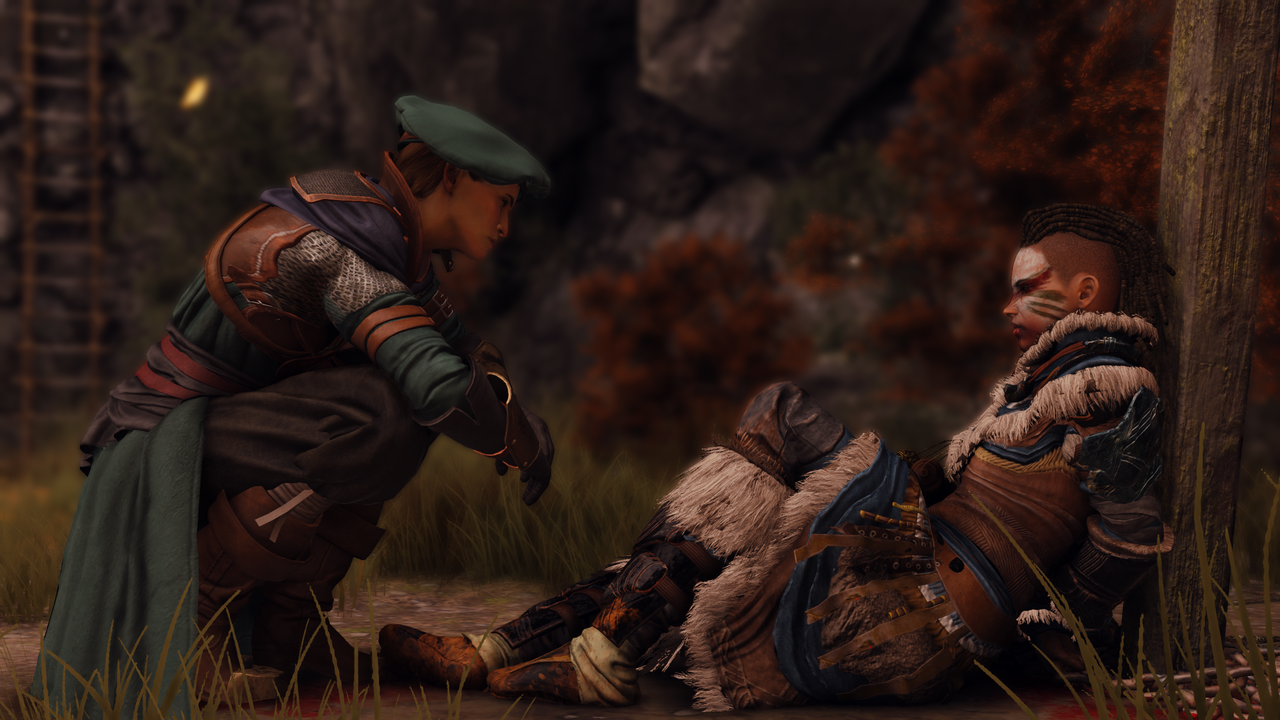
Still, the companion content is impressive. Completing Kurt’s quest before the coup seems to influence his fate—nicely done. Vasco’s storyline is also memorable. His sailor faction sports Maori-style facial tattoos, and finishing his quest changes his appearance, which is a thoughtful detail.
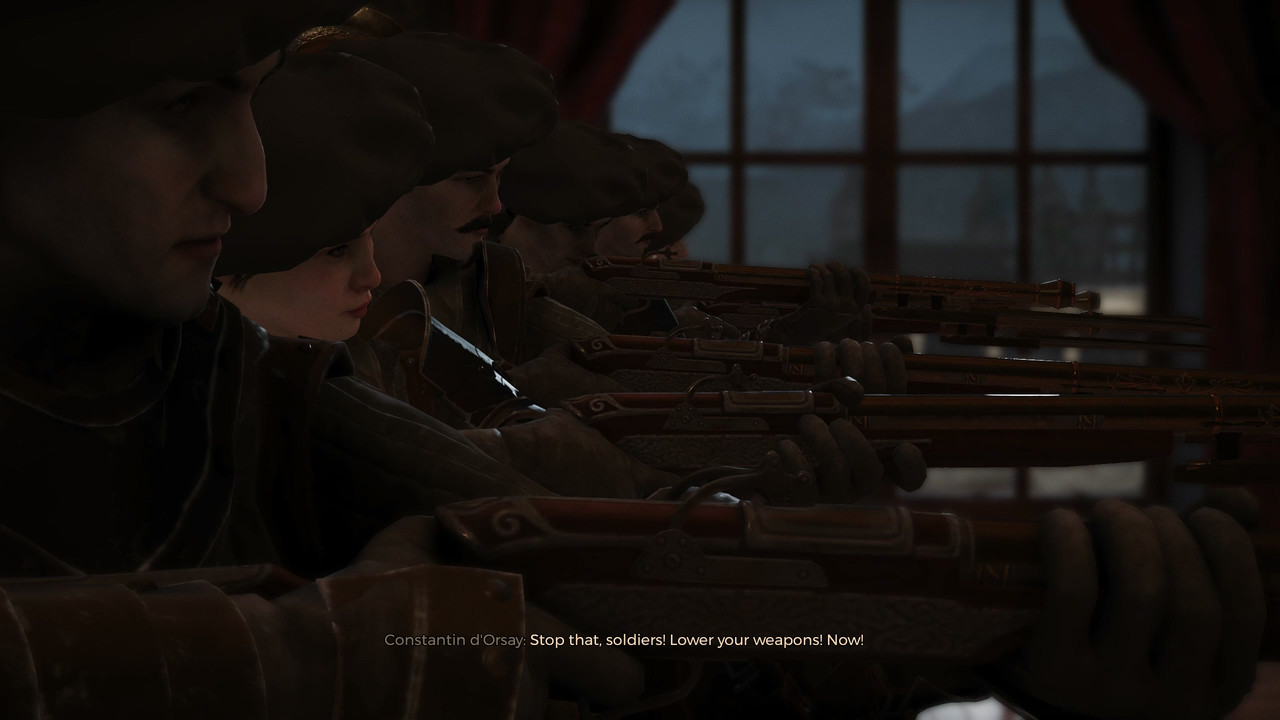
Not everything lands, of course. Reputation mechanics feel a bit rigid. The narrative leans heavily in favor of the natives. For example, you’re almost guaranteed to lose standing with the mercenaries during the coup and with the “Spaniards” because only the native healer can help your cousin. Some loss of favor feels unavoidable.
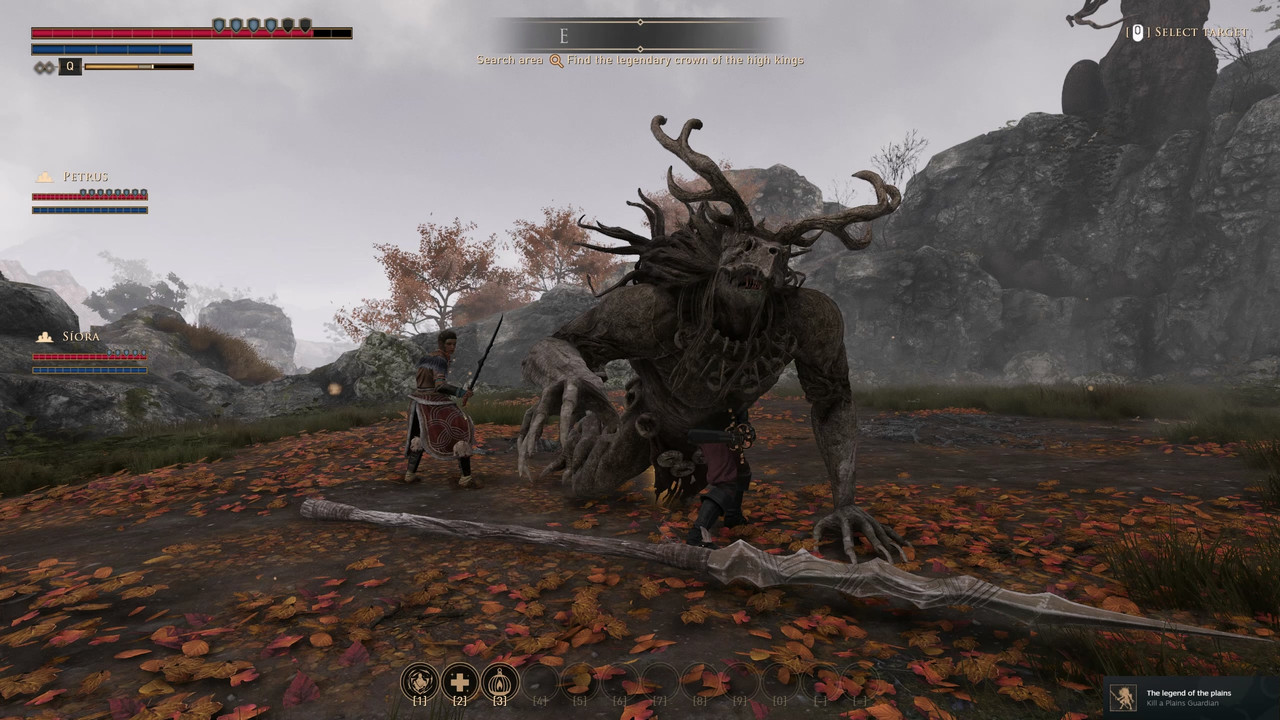
The game also starts to drag toward the end. Monsters don’t scale with your level—which I prefer—but you still have to fight them repeatedly when entering regions. I missed the system from The Witcher, where under-leveled monsters would just run away from you. (Honestly, I think The Witcher is the only game that ever did that.)
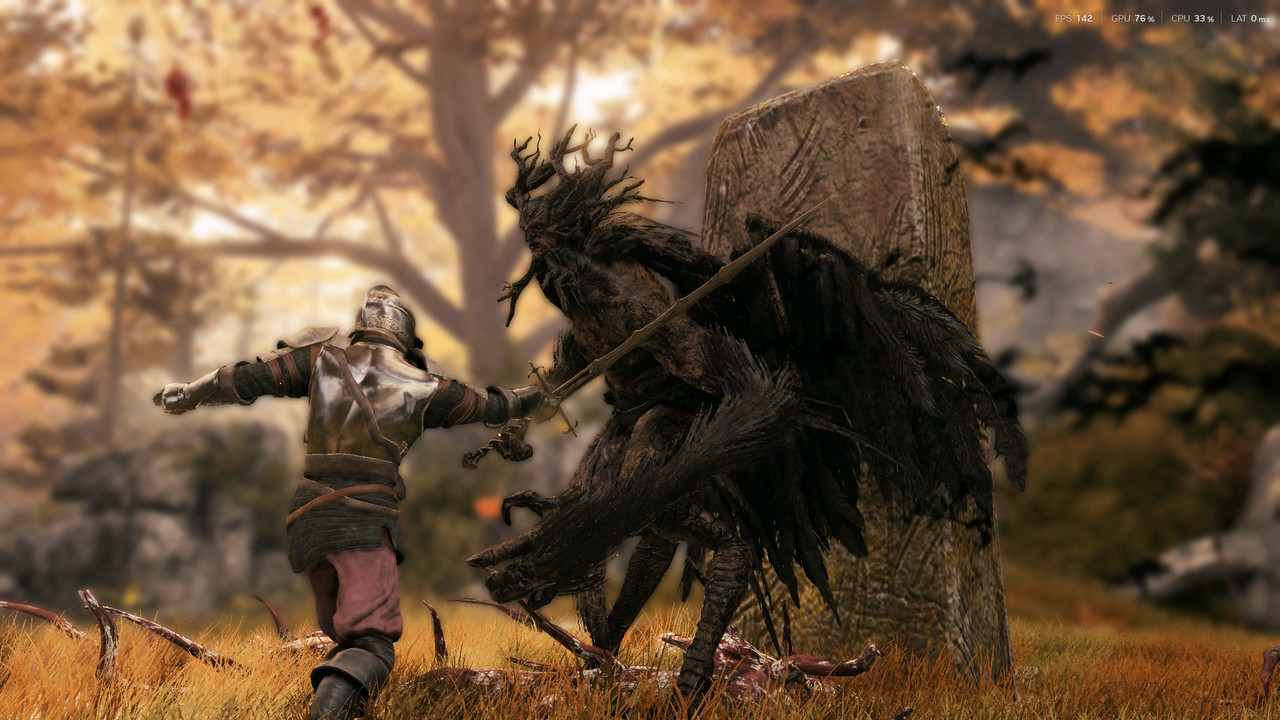
Still, the story is strong—not groundbreaking, but smartly constructed. There’s a compelling push-pull to the narrative. For example, you need to reach the Native High King to uncover the truth behind the plague. But he’s in seclusion, and only his lover knows where he is. She’s being held by scientists, but because you helped them earlier, they let her go without a fight. She leads you to the High King, who turns out to be the antagonist—he kills a native shaman and kidnaps your cousin. In the ensuing confrontation, you even have to kill the very woman you just rescued. Unfortunately, there’s no room for diplomacy here—no way to negotiate with either of them. You're forced into violence, and the natives resent you for it.
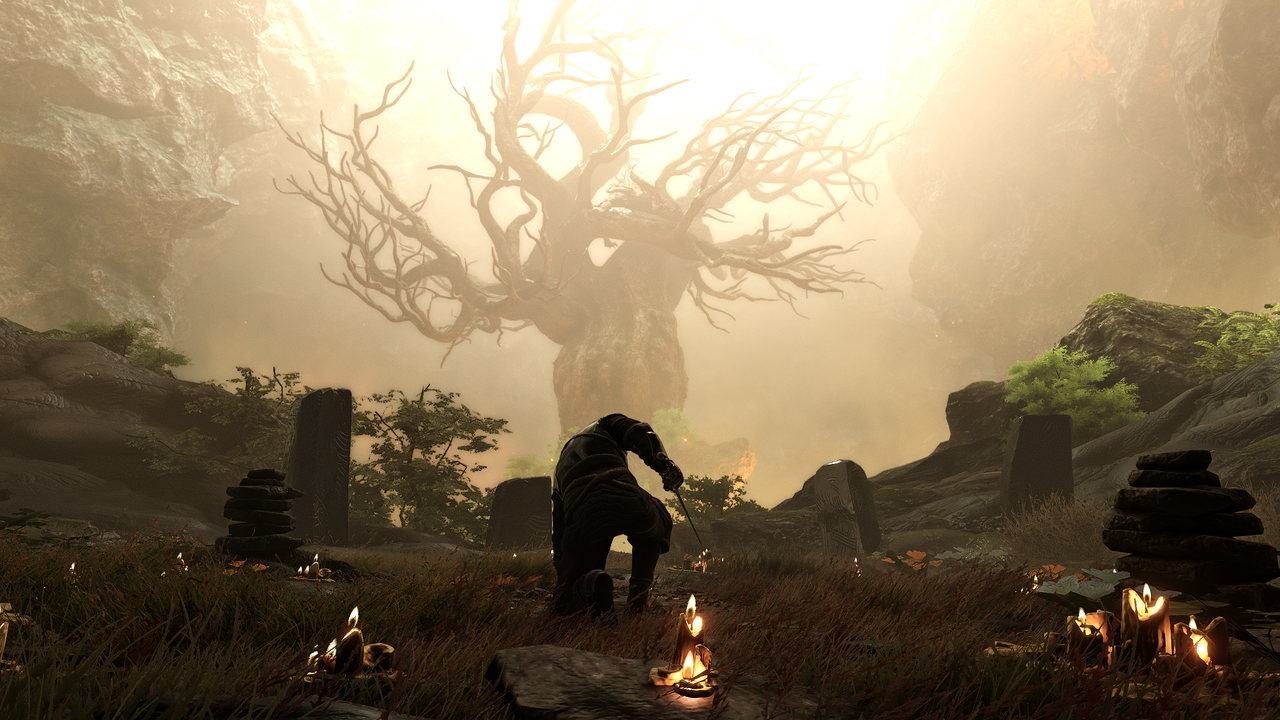
The finale echoes Mass Effect 2—your companions peel off one by one until you face the final choice alone: sacrifice your cousin (who’s done you no wrong) or your companions. The game considers saving your cousin the “bad” ending, though it's never clear why. He never acts tyrannical, even by the end.
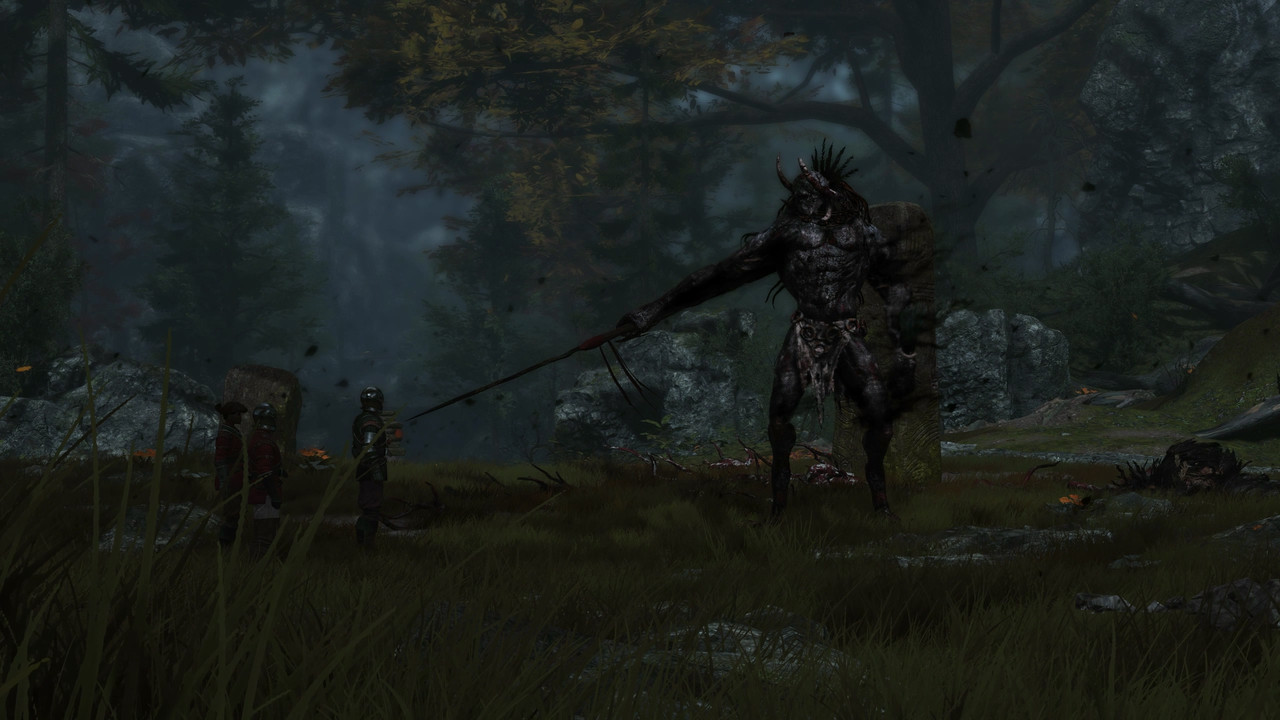
Greedfall isn’t perfect—some systems lack polish, and the late-game pacing could use tightening—but it has a kind of depth and thoughtfulness that’s rare in modern RPGs. The quests are nuanced, the world is politically layered, and the characters feel like they matter. For a game I went into with low expectations, it left a surprisingly strong impression.

It’s a tough sell..
This review is for the PC (Microsoft Windows) version
GreedFall is a tough game to judge. It's neither bad nor great. It comes staggeringly close to greatness in a number of areas, but it just lacks the polish or ambition to go further. If you're looking for a nostalgic trip back to the mid-2000s style of W-RPGs, then you'll find a lot to like in GreedFall. It's worth a shot if you're a fan of that style of games. It was interesting enough to keep me glued, but ultimately it lacks the breadth and depth of something bigger.

The most average game I've ever finished
This review is for the PC (Microsoft Windows) version
Finally done with this chore of a game. Only reason I finished it is because I wanted to see the end of the story and what my choices led to.
The game is heavily inspired by Dragon Age Inquisition and Fallout New Vegas, however it doesn't come close to either. It feels half baked and extremely bad in some regards.
To start off, the world you're exploring is bad. Interiors are annoying to traverse as doors automatically close behind you so you have to watch the door opening animation every single time you enter a room. NPCs will also spawn in when you open a door which takes you out of the immersion. Not that I had any immersion in this game to begin with, but still. There are four types of interiors: house, palace, warehouse and native house. They ALL look the same, every city's palace looks the same inside. Every house in every city looks the same inside. Every native house looks the same inside. Awful interior design in this game. But it doesn't get better on the outside. The outside is like a maze, it feels like I'm playing Mass Effect 1/2 where most locations are just …
Finally done with this chore of a game. Only reason I finished it is because I wanted to see the end of the story and what my choices led to.
The game is heavily inspired by Dragon Age Inquisition and Fallout New Vegas, however it doesn't come close to either. It feels half baked and extremely bad in some regards.
To start off, the world you're exploring is bad. Interiors are annoying to traverse as doors automatically close behind you so you have to watch the door opening animation every single time you enter a room. NPCs will also spawn in when you open a door which takes you out of the immersion. Not that I had any immersion in this game to begin with, but still. There are four types of interiors: house, palace, warehouse and native house. They ALL look the same, every city's palace looks the same inside. Every house in every city looks the same inside. Every native house looks the same inside. Awful interior design in this game. But it doesn't get better on the outside. The outside is like a maze, it feels like I'm playing Mass Effect 1/2 where most locations are just long corridors. The amount of times I had to turn back since I reached a dead end or hadn't progressed in a story related to that location was FAR too many. The game is a literal maze to traverse! Imagine if there was a minimap!
So the level design is terrible, what about the quest design? Well, you got fetch quests, follow but dont go too close or too far quests, escort quests, waves of enemies quests... uninspired. There were also no quests that I can recall that made the characters believable in that world, all the quests are so serious and always about politics or kidnappings. Companions are probably the only characters that get a little fleshed out, but there are only 5 companions.
Level design is terrible, quest design is uninspired and boring. What about abilities and combat? I played on easy mode and I got my ass handed to me several times, even when grinding all the sidequests. There are three types of enemies other than humans: dog-like demons, bat-like demons and eldritch horror demons that serve as bosses. Extremely bad enemy variety. The enemies also knock you down and posion you WAY too often. One time I got knocked down while being poisoned, then knocked down immediately after getting up. This repeated until I died. On EASY mode. I couldn't even use a health pot. Boss fights are better but nothing special. I liked the crafting and alchemy of the game and the ability trees were fine.
I'm done ranting. The game feels like it could've been made in 2008. 5/10, don't bother.

Greed Fell
This review is for the PlayStation 4 version
I’m really not sure if this game is dope or ass lmao.
I get swing left and right with this game. In one hand this game is gorgeous, the gameplay is pretty nice, I love the fact you can approach situation in numerous ways. And the story is ok... the side quest is pretty nice as well.
On the other hand, I don’t like the colors in the game if that makes any sense because what feels like dusk or dawn is actually daytime so the game has this yellowish color all the time and it doesn’t appeal like that. It’s also a little dark as well especially when comes to looking at the character. The combat is pretty clunky and I don’t like the fact that you have to basically pause the game to shoot your gun. I feel like they should of gave that a button to use.
Overall, it’s a cool game that has a lot of ok things about. Ok story, ok combat, ok rpg, and ok graphics. Which will give an ok experience. Play the game.

killerstar's review of GreedFall
This review is for the PC (Microsoft Windows) version
This game is really good, but it drags towards the end, where there some duplicated missions and other totally unnecessary missions that feel a bit like filler. But overall, it's rather excellent.
Is par for the course with open world games that the main storyline is less interesting that the various sidequests, but Greedfall takes that to the extreme. Side stories are not only more engaging, but they reveal crucial information about various characters and also have dramatic effects on the world. Imagine getting the usual "hey, help us look for our missing scouts" quest, but then quickly blowing up into a big-stakes quest in which your character learns big chunks of secret backstory involving whole nations or important people in their life.
Now, the deciding factor whether you like this game or not if how much you buy into the world. Because on the surface missions are really dull gameplay-wise. Most systems are pretty underdeveloped, combat is repetitive and you spend most of the time going from one end of the island to the other talking to people with minimal input. I was particularly frustrated with the shallowness of the magic skilltree.
Fortunately I had no problem immersing myself …
This game is really good, but it drags towards the end, where there some duplicated missions and other totally unnecessary missions that feel a bit like filler. But overall, it's rather excellent.
Is par for the course with open world games that the main storyline is less interesting that the various sidequests, but Greedfall takes that to the extreme. Side stories are not only more engaging, but they reveal crucial information about various characters and also have dramatic effects on the world. Imagine getting the usual "hey, help us look for our missing scouts" quest, but then quickly blowing up into a big-stakes quest in which your character learns big chunks of secret backstory involving whole nations or important people in their life.
Now, the deciding factor whether you like this game or not if how much you buy into the world. Because on the surface missions are really dull gameplay-wise. Most systems are pretty underdeveloped, combat is repetitive and you spend most of the time going from one end of the island to the other talking to people with minimal input. I was particularly frustrated with the shallowness of the magic skilltree.
Fortunately I had no problem immersing myself into the world. Areas are filled with detail and there's a semi-realistic day/night cycle. I was how different factions have complex motives and are not at all monolithic entities.

Un quiero y no puedo
Greedfall es un juego que construye una trama cuya idea general está bastante bien y cuyas misiones secundarias se entrelazan con la línea principal, creando la sensación de que todo contribuye en igual medida a construir la misma historia. Ese punto es algo que no se ve ya prácticamente en ningún RPG, plagado de secundarias inconexas e insípidas. Su mundo resulta curioso, pero a la postre es solo una mezcla de tramas de ecologismo e indigenismo sin apenas nada de profundidad. Los compañeros tienen una personalidad bajo mínimos y unas tramas decentes, pero es aquí donde está el mayor error narrativo del juego: no sabe construir situaciones ni hacer interesantes los diálogos.
Estéticamente es un juego mediocre. El apartado gráfico no es muy potente y la línea artística es increíblemente genérica, brillando solo en el diseño de algunas armaduras. Especialmente los escenarios peca de ser genéricos, repitiendo las ciudades todos sus edificios hasta la náusea y no preocupándose por darle una verdadera identidad.
El combate es tosco, especialmente frustrante en las más altas dificultades y (de forma paradójica) fácil de romper a medio camino. Es un trámite por el que realmente no quieres pasar.
No puedo recomendar GreedFall a todo …
Greedfall es un juego que construye una trama cuya idea general está bastante bien y cuyas misiones secundarias se entrelazan con la línea principal, creando la sensación de que todo contribuye en igual medida a construir la misma historia. Ese punto es algo que no se ve ya prácticamente en ningún RPG, plagado de secundarias inconexas e insípidas. Su mundo resulta curioso, pero a la postre es solo una mezcla de tramas de ecologismo e indigenismo sin apenas nada de profundidad. Los compañeros tienen una personalidad bajo mínimos y unas tramas decentes, pero es aquí donde está el mayor error narrativo del juego: no sabe construir situaciones ni hacer interesantes los diálogos.
Estéticamente es un juego mediocre. El apartado gráfico no es muy potente y la línea artística es increíblemente genérica, brillando solo en el diseño de algunas armaduras. Especialmente los escenarios peca de ser genéricos, repitiendo las ciudades todos sus edificios hasta la náusea y no preocupándose por darle una verdadera identidad.
El combate es tosco, especialmente frustrante en las más altas dificultades y (de forma paradójica) fácil de romper a medio camino. Es un trámite por el que realmente no quieres pasar.
No puedo recomendar GreedFall a todo el mundo. Me da la sensación de que mayores recursos y una mejor guía podría haber construido un juego notable, su desarrollador deja claro que quiere contar una historia rica y parte de una buena premisa... pero naufraga en las formas. Si eres un fan de los RPGs que quiere llenar su tiempo, es una experiencia entretenida, pero no notable. Si lo que te gusta es la acción, la espectacularidad o el magnetismo de una trama potente... este no es tu lugar.

Wasted potential
Charming game that overstays its welcome with fetch type backtracking sidequests and a few too many technical issues.
A 20 hour game stretched thin to almost 50 hours if trying to do everything, which is required to do because of inconsistent enemy balance.
PROS:
- Character design
- World design
- Armor design
- Armor visual upgrades
- Companions
- Character combat customization
CONS:
- Technical issues
- Unoptimized console port
- Story intro too short and lacking any emtional bond to the main protagonist
- Heavy invisible walls around many objects
- Character getting stuck under trees geometry
- Potion use requires character to stand still causing combat flow to stop for animation ingestion ending
- Bad face shadows
- Low res textures on npc armors
- Inconsistent lighting
- Assest reuse, especially in faction different towns
- Voices not matching character age
- Enemy unbalance in the early levels and last bosses
- Poison at low levels is too extreme
- Chain stun from certain enemies is near unexcapable
- Mage ranged only build is not viable
- Melee only is not viable and requires ranged support for certain type of enemies and bosses
A title that despite the mentioned flaws deserves to be played, atleast in lower difficulty to speed througth it. Not worth the full price so wait …
Charming game that overstays its welcome with fetch type backtracking sidequests and a few too many technical issues.
A 20 hour game stretched thin to almost 50 hours if trying to do everything, which is required to do because of inconsistent enemy balance.
PROS:
- Character design
- World design
- Armor design
- Armor visual upgrades
- Companions
- Character combat customization
CONS:
- Technical issues
- Unoptimized console port
- Story intro too short and lacking any emtional bond to the main protagonist
- Heavy invisible walls around many objects
- Character getting stuck under trees geometry
- Potion use requires character to stand still causing combat flow to stop for animation ingestion ending
- Bad face shadows
- Low res textures on npc armors
- Inconsistent lighting
- Assest reuse, especially in faction different towns
- Voices not matching character age
- Enemy unbalance in the early levels and last bosses
- Poison at low levels is too extreme
- Chain stun from certain enemies is near unexcapable
- Mage ranged only build is not viable
- Melee only is not viable and requires ranged support for certain type of enemies and bosses
A title that despite the mentioned flaws deserves to be played, atleast in lower difficulty to speed througth it. Not worth the full price so wait for a sale.

That was an average game. İmproving items and your companions are exiting but there are few bad sides in game. For example, you cannot jump in the game. Really guys :D can't jump in a game in year 2024? Also you cannot walk some certain places while there is nothing to block you on the road. Overall it is an average game to play

Started this today only about 2 hours in so far, it not bad so far but I’m not invested. It feels ok for what it is and it what I wanted (a BioWare lite game), I going to continue and share progress with it, I am thinking of going for the plat too but we see.

Once you get to Teer Fradee, the game really becomes enjoyable. The opening is a bit of a slog, admittedly, but once you get into the game proper, it's a really fun little title. Sure it's not super polished or very complex, but honestly those are the kinds of things I'm looking to avoid. I'm sick of polish. I'm sick of complexity. I miss the 2010s middling quality of gaming so much, and this really scratches that itch. Also, cool monsters.
As someone with a great fondness for Greedfall, I played through the DeVespe Conspiracy DLC. It's more Greedfall, nothing too wild or new. It very much seems like this was just a side mission cut from the original game that they went ahead and finished to have something extra to add to the new PS5 Gold Edition.

Bland, clunky and basic but still enjoyable.
Up to 40 hours.

Hadn’t even heard of this game until a few weeks ago, which is a shame since I just fell into it for almost 5 hours and had a really good time so far. It feels like a more grounded and serious Dragon Age with more action-focused gameplay, and a unique setting and flavor. It does a really good job setting up its world and drawing you into the story quickly. I’m impressed with how much is going on and how many options I have to play my character already, not just in dialogue but even in how I approach quests, via head-on combat, stealth and lockpocking, even bombing out a wall to skip straight to my objective. Interested to see how this one plays out!
Ok, writers, it's time to have a talk. Please, please, I beg you. Stop having stories in which you know exactly what's going on but the characters are too dumb to realise anything. And no, I'm not talking about the reader/player anticipating events by knowing about the narrative tropes. I'm talking about when there's actual in-world elements and events that clearly spell everything out.
As it's usual with this kinds of games, the main plot is less interesting that the various side missions that populate the world. And now that I'm all but depleted of sidequest, I'm ready for it to end.
Following up on music and videogames. This is not in the soundtrack from Greedfall but it could be!
The one thing I don't like about this game is how it never allows you to fully go against any faction. Even though I took and instant and intense disliking to Thélème, the inquisition-era Spain inspired kingdom, I can't really tell them to fuck off.
I'm very impressed with this game. It's got its sub-par elements (such as the shallow skill-tree and combat), but there are also a great deal of brilliancy.
It's not a manichaean story of the good, innocent savages vs the evil, greedy Europeans. Some natives welcome the foreigners and want to coexist and trade, others want to fight them, others try to navigate the complex diplomacy and avoid war. Some are hate-filled and motivated by revenge, others only want to live in peace and see war as the only way forward. Similarly, among the foreigners are groups that want to convert or conquer what they perceive as savages, others see them as fully human and hold various levels of respect towards them. It's quite realistic and surprisingly mature, I think.
On top of that, the environments are huge and gorgeous. Some paths remind me of trails I hiked in Bariloche.