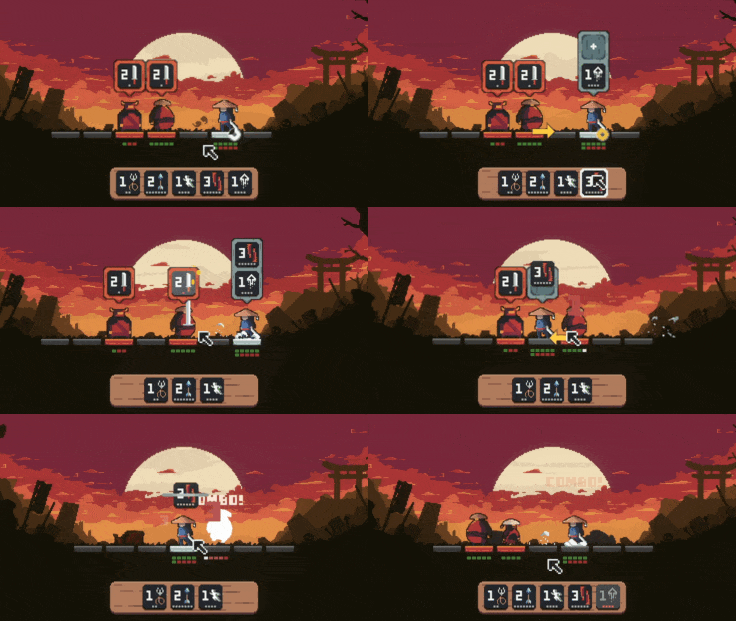
I bought Shogun Showdown on a whim, at a time when I was stuck in a rut of unenthusiasm for games. The art looked cool, and the mechanics seemed like my style, and more than anything, the reviews were really positive. I opened the game to be greeted by pristine pixel graphics, an instantly tantalising soundtrack and an accessible, innovative gameplay system. Needless to say, the rut was over.
It became quickly apparent that Shogun Showdown had created a completely revolutionary combat system. One turn, in Shogun Showdown, is one single action. You take one, and the enemies take one. You can do one of four things on each turn, often by pressing a single key. It's elegant: both cerebral, and somehow still reminiscent of an honest to goodness samurai movie fight scene. Every surrounding feature of the game fed into the combat's brilliance - the interface, the art, and more than anything, the music - a treasure trove of tracks blending 8-bit tones with traditional Japanese instrumentation. Beyond the bare bones of the combat system, the initial difficulty curve felt perfect for me: I beat the game's first boss on my third run. I began to take the game seriously.
As I approached the journey of Shogun Showdown's progressively increasing difficulty levels, I felt spoilt by the level of player consideration built in to the game. The game has a built-in timer (as is increasingly common among roguelikes), and yet this timer pauses automatically in shops and between battles, giving you time to make thorough decisions. Saving and quitting mid battle holds your place, down to the move. Unable to quit and reload to rewrite your mistakes, you're forced to relinquish your perfectionism, and focus instead on the puzzle. As you progress, you're rewarded, both with enticing new characters and new moves, providing new ways to tackle the ever-increasing challenges.
And then, it stopped. The final character was unlocked. New tiles no longer appeared. The final two hardest difficulty levels remained uncompleted. The challenges had taken a sharp increase, but this wouldn't phase me. I grit my teeth and made it through Day Six, the second hardest difficulty.
By the Final Day, I was still determined. I pushed through and found my experience beginning to sour. The level of procedurally generated difficulty made it so that death was, literally, unavoidable on the majority of runs - I began to bemoan features of the game I had once loved. Yes, the key-press combat is simple, but wouldn't a trusty confirmation button stop me misclicking and ruining my one good run? It is nice that it saves your moves, but wouldn't it be better if I could reload the whole fight, given how heavily the odds are stacked against me? My runs began to feel like a race against an internal clock: I had to beat the game before I started to dislike it.
And then, I beat the Shogun on Day Seven.
Just barely, I managed it. The flash of the screen was promising. I waited for the credits.
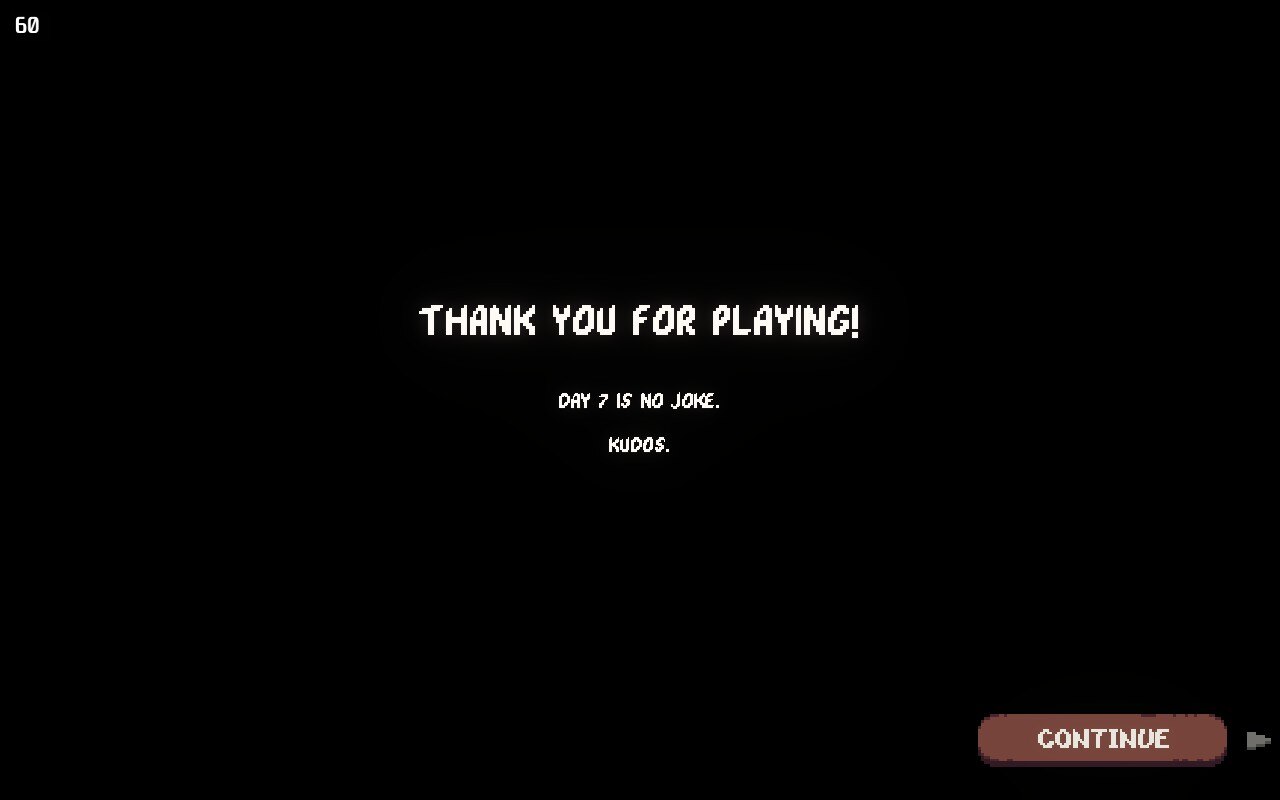
The credits didn't come. Instead, another boss. A harder one. One that, given my unfamiliarity and nearly decimated health, I didn't have a chance in hell of beating. I ended up back at the interim screen, with no acknowledgement of the feat I had just accomplished. It was the beginning of the end for my affair with Shogun Showdown.
What continued to frustrate me was just how simply the game's core problems could be fixed. The final day should have been Day Five, just before the player runs out of new ways to solve their problems, with the final difficulty increases included as post-game challenges. Near-insurmountable difficulties are par for the course in roguelikes of a similar calibre, and I enjoy many of them thoroughly. Shogun Showdown, however, excels at preventing its players from escaping into the kind of tricks and exploits that make those difficulties beat-able. In the end, the game's gentle guiding hand felt more like a headlock.
Once, Shogun Showdown was a game that felt happy to have me. Now, it eyes the door and yawns exaggeratedly, suggesting that it might be time for me to leave. I sincerely feel there are some design issues which leave the game unsatisfying and difficult to finish. And yet maybe, after all, it's really just a skill issue.