


Review Aleosha 3/5 · Jun 14, 2026
After finishing Command & Conquer Remastered Collection and finding it less satisfying than expected, I didn’t originally plan to continue with Command & Conquer: Red Alert—but I still ended up completing the Soviet campaign.
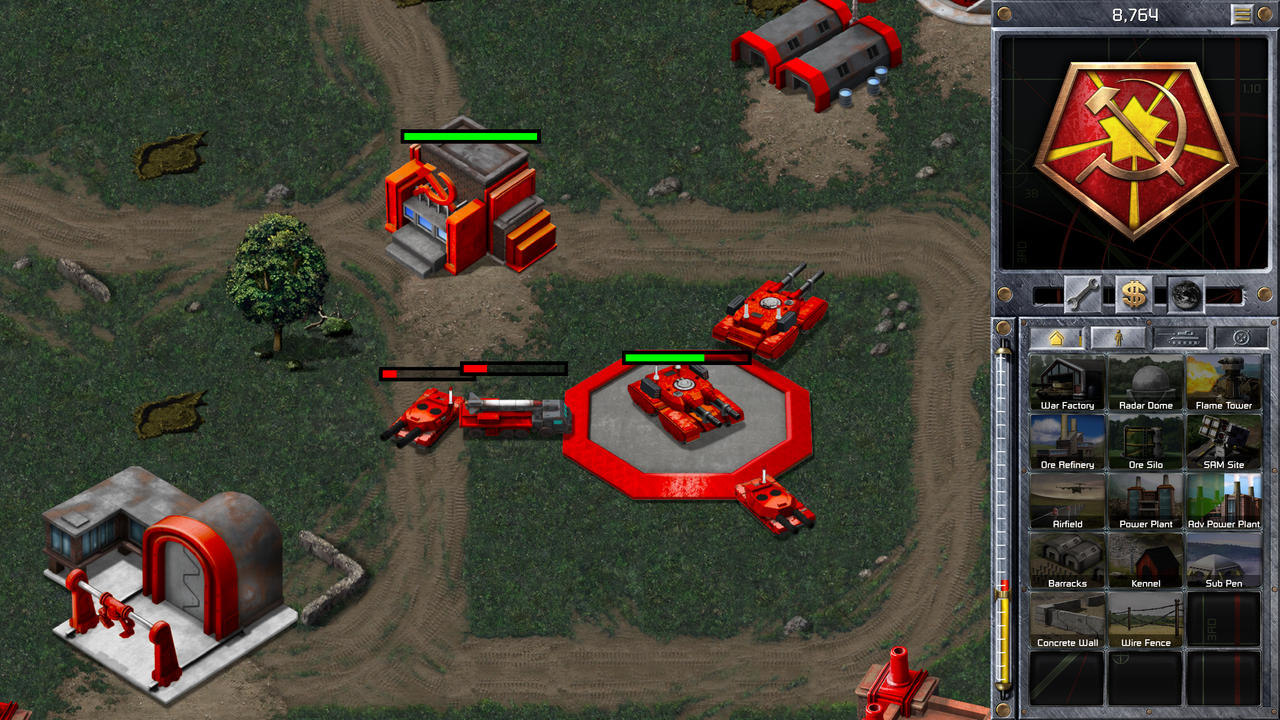
The most noticeable improvement is that Red Alert’s campaign structure holds up better after remastering. Unlike Command & Conquer, it doesn’t feel as structurally broken. That …
After finishing Command & Conquer Remastered Collection and finding it less satisfying than expected, I didn’t originally plan to continue with Command & Conquer: Red Alert—but I still ended up completing the Soviet campaign.
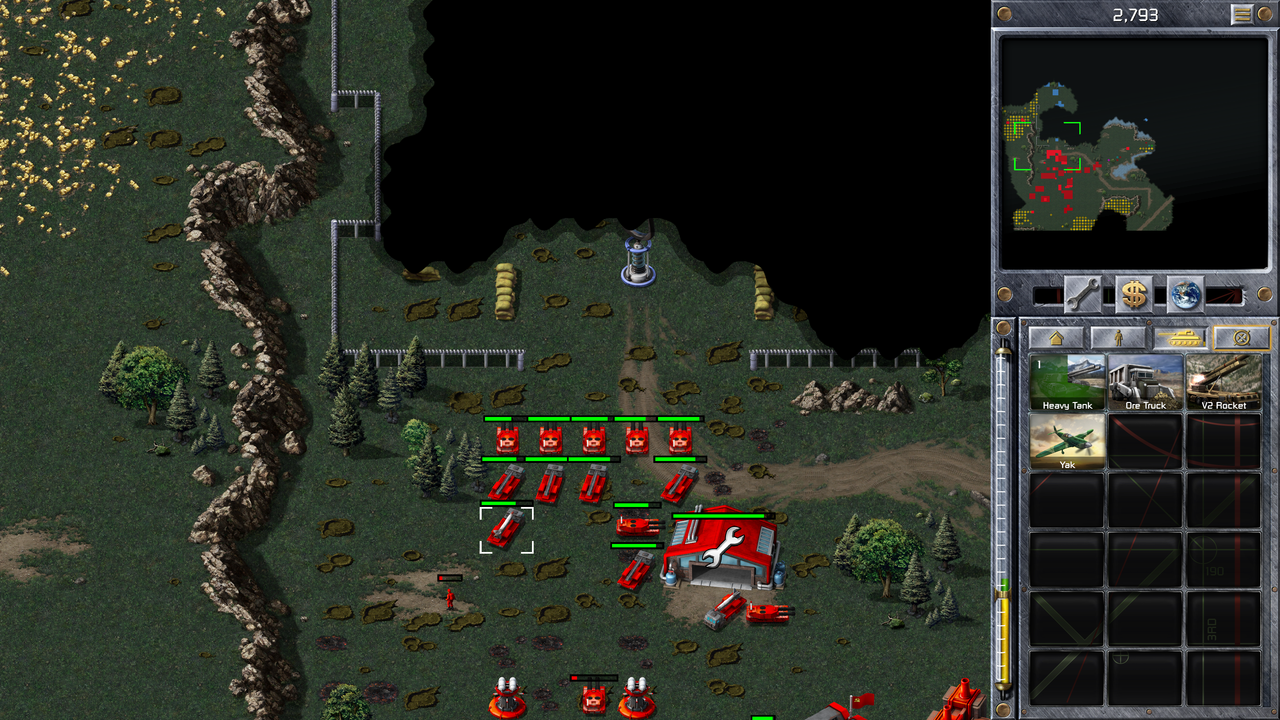
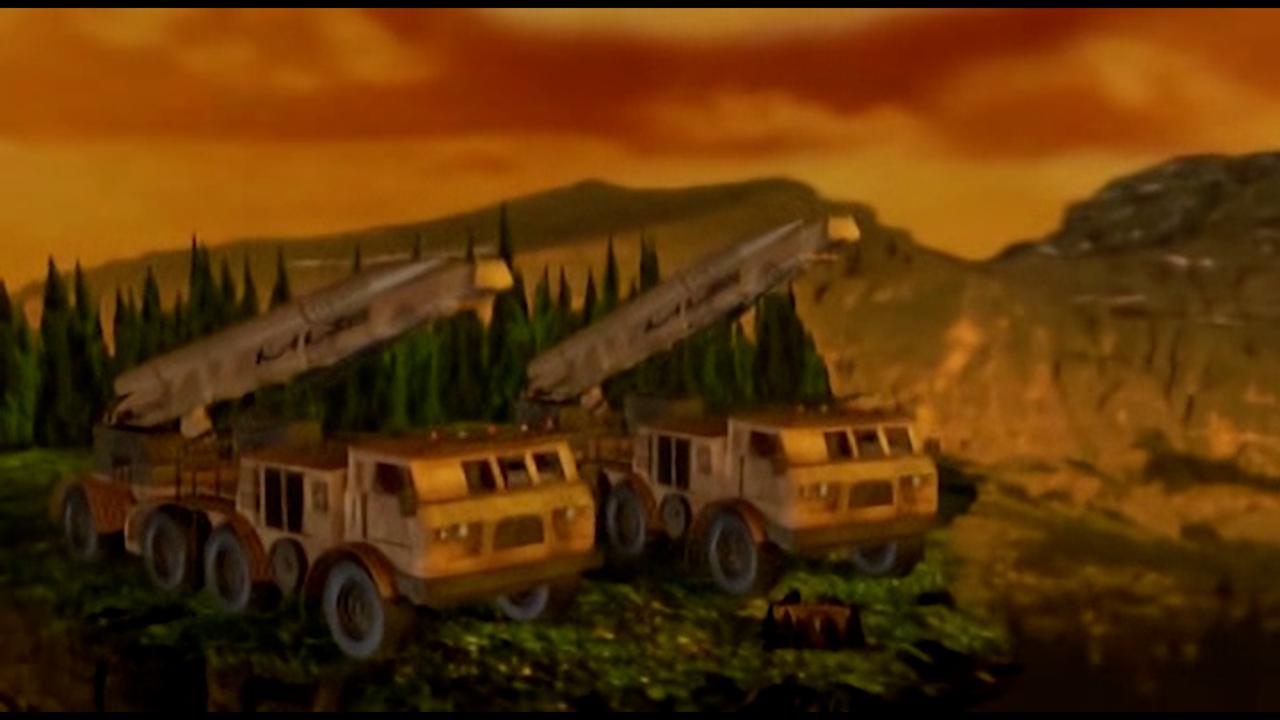
The most noticeable improvement is that Red Alert’s campaign structure holds up better after remastering. Unlike Command & Conquer, it doesn’t feel as structurally broken. That said, balance issues are still very much present. Soviet V2 rocket launchers are extreme: they can one-shot power plants and even hit targets off-screen, which feels overtuned. At the same time, their targeting AI is unreliable, occasionally refusing to fire entirely.
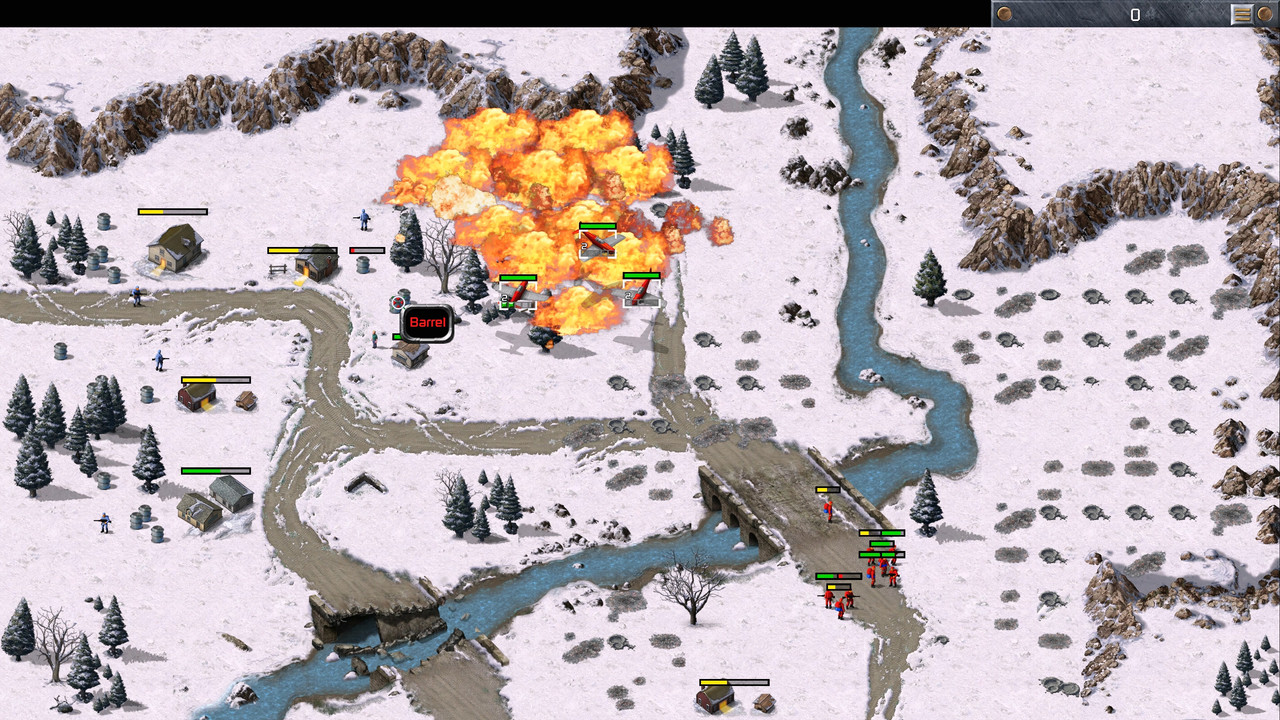
Engineers are significantly reworked. A building now needs to be critically damaged before capture is possible; otherwise, the engineer just slowly chips away at its health. In practice, this often makes capturing less viable, since structures tend to get destroyed by incidental combat before you can reliably secure them.
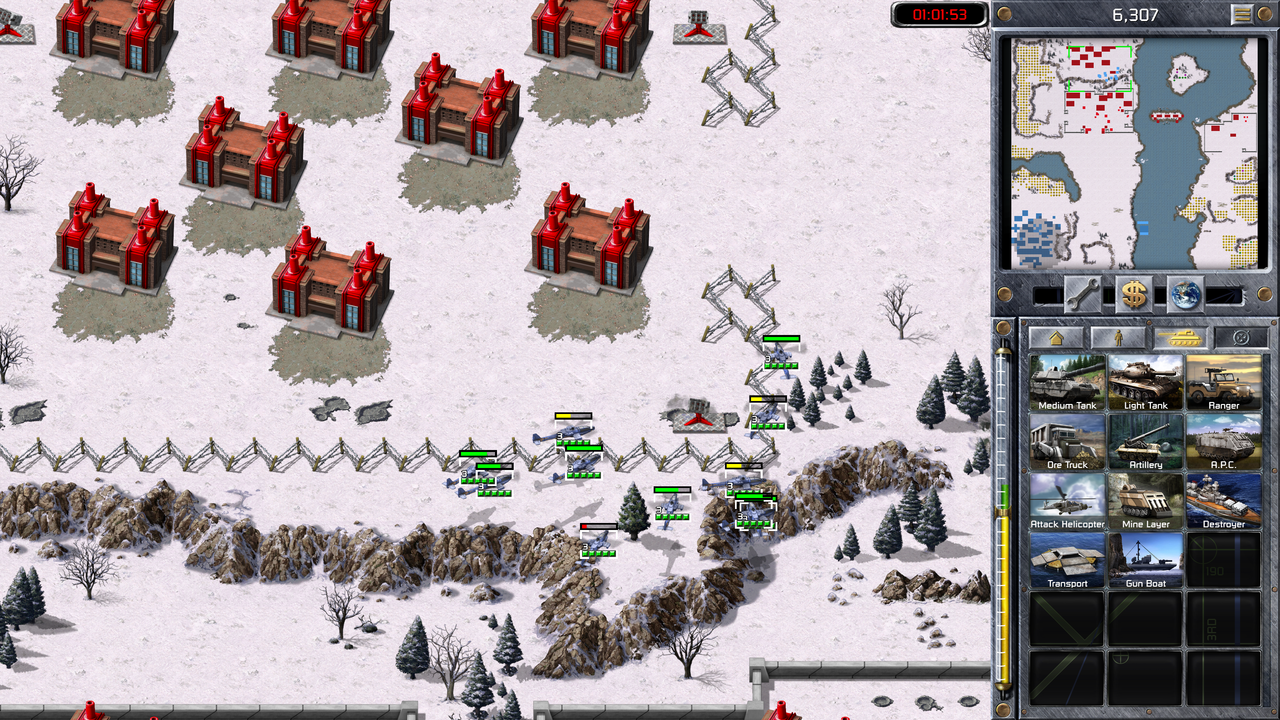
Air balance also feels off. SAM sites seem either weaker or helicopters stronger than intended. In either case, you need multiple SAM placements to reliably defend against air attacks. Soviets, in particular, feel under-equipped in mobile anti-air options outside of Mammoth Tanks, which is a very inefficient answer.
There are also a few standout mechanical details. Capturing an Allied Tech Center triggers a full-map reveal via satellite launch, complete with a visible rocket animation, which is a nice scripted touch.
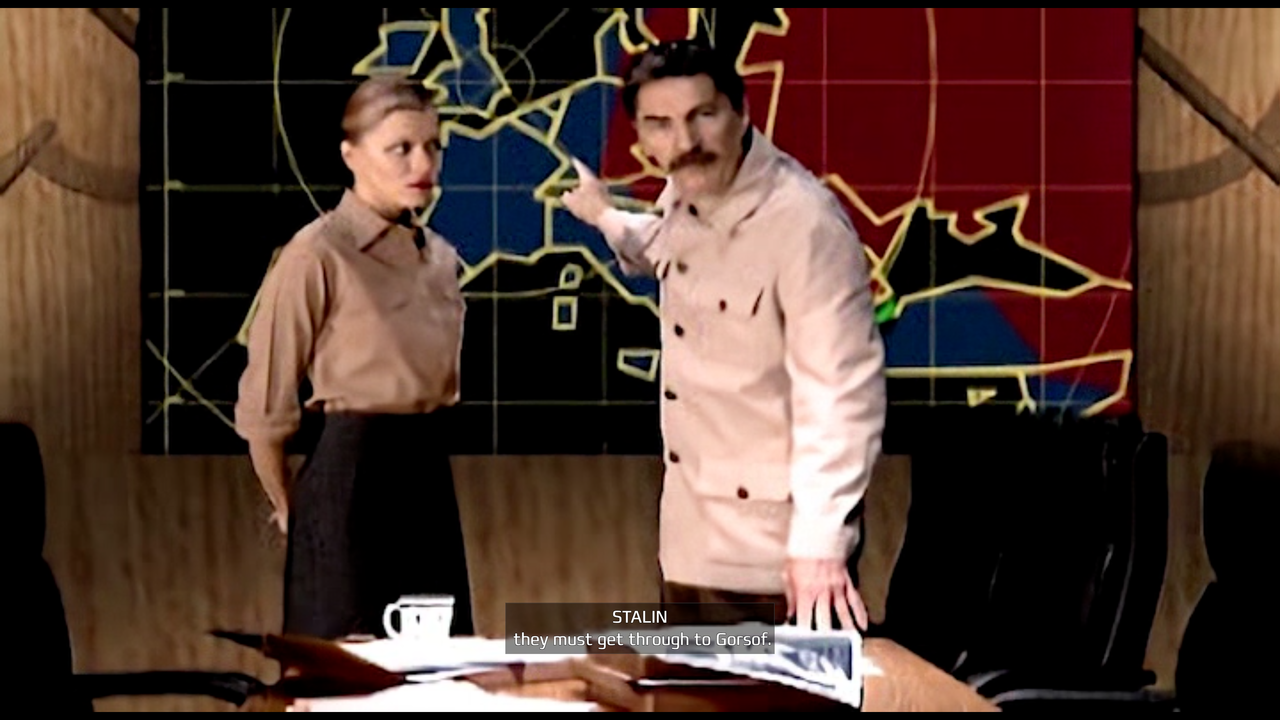
Mission design is uneven. The penultimate mission isn’t difficult, but it is tedious due to scattered radar objectives placed at extreme map edges, effectively forcing transport micro just to complete the objective set. The final mission leans into AI advantages—reinforcements spawn off-screen, and cruisers are used in a way that repeatedly destroys bridges and funnels the player into long routes. These pressures ease somewhat once key Construction Yards are destroyed, though the game doesn’t communicate this clearly. Paratroopers end up being unusually effective here, especially for structure pressure.
Despite these issues, the campaign is still more coherent and playable than the original Command & Conquer experience, even if many missions start with the player already under immediate pressure.

On the Allied side, AI behavior becomes even more questionable. Reinforcement rates don’t appear to match visible infrastructure, and later missions introduce flamethrower paratroopers that don’t exist in normal unit production. Spy-based mission objectives also become more common, and can easily fail due to accidental destruction of target buildings.
Once helicopters enter the equation, balance again collapses: the Soviets lack a consistent answer, and Allied air dominance becomes decisive. The Tech Center map reveal mechanic further amplifies this imbalance.
A few missions stand out as particularly weak. “Evidence” and “Focused Blast” are more tedious than challenging—the former due to unclear Tanya usage, and the latter due to repetitive task execution rather than strategic depth.
There are some interesting experimental ideas, such as timers carrying across missions, but they feel more like friction than meaningful design additions.
Overall, it’s a mixed but generally more functional experience than its predecessor. The campaign has clearer structure and fewer hard breaks, but still suffers from balance inconsistencies, unclear mechanics, and occasional AI cheating that undermines strategic consistency.