

Review Aleosha 4/5 · Jan 22, 2025
Persona 2: Innocent Sin revolves around rumors becoming reality. This concept would later reappear in Persona 4 with the Midnight Channel. The story begins with a rumor: "If you dial your own number, the Joker will appear." The heroes of the game try this, but when the Joker appears, instead of granting wishes, he confronts protagonist Tatsuya for revenge. However, …
Persona 2: Innocent Sin revolves around rumors becoming reality. This concept would later reappear in Persona 4 with the Midnight Channel. The story begins with a rumor: "If you dial your own number, the Joker will appear." The heroes of the game try this, but when the Joker appears, instead of granting wishes, he confronts protagonist Tatsuya for revenge. However, he is frustrated when Tatsuya doesn’t recall what he’s being blamed for, setting the stage for the game's narrative.
As an RPG from the PlayStation era, Innocent Sin demands careful attention to dialogue and clues, especially if you’re playing without a guide, as there are no quest markers to assist you. This old-school design adds to the challenge but may frustrate modern players.
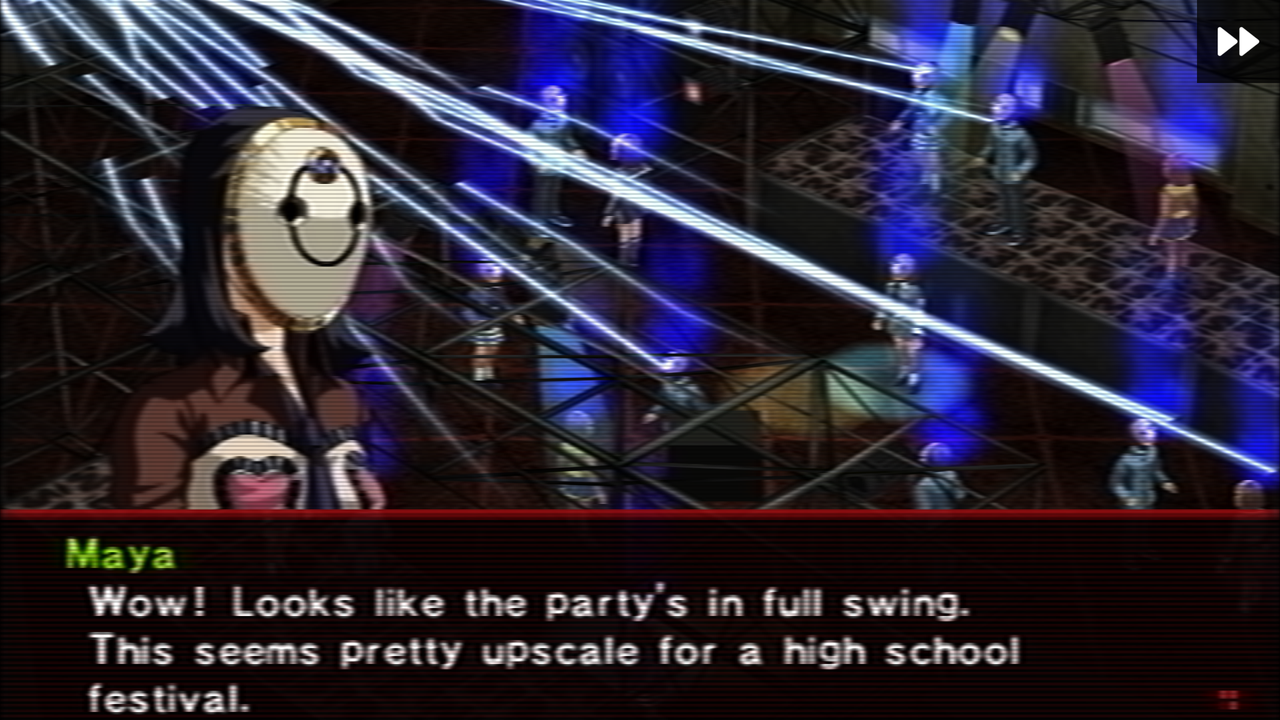
The game's battle dialogue system, while creative, can feel cumbersome. Each character has unique lines that influence interactions with Personas, but the logic behind these interactions is opaque. For example, Yukki’s “reason” line appeals to “wise” Personas, while Tatsuya’s “dead stare” works on “foolish” ones. Personas sometimes ask cryptic questions, like “Is school fun?” where the "correct" answer depends on the Persona’s type. This system can feel arbitrary and overly complex, and traditional grinding often offers a more straightforward path to progress.
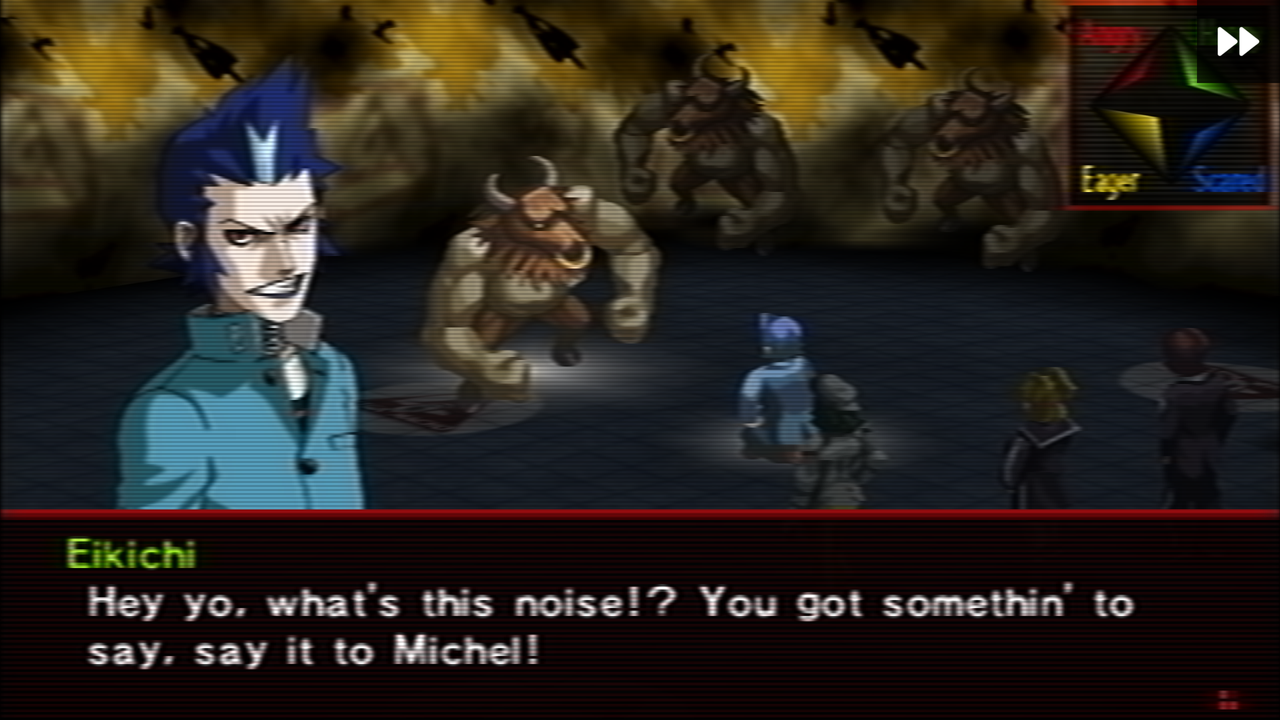
The combat system has some ideas that later games in the series would discard to simplify. For instance, some attacks in Persona 2 combine physical and elemental attributes. Additionally, there are both Water and Earth elements, which were removed in subsequent entries. Some spells also target only specific enemy groups instead of all enemies on screen.
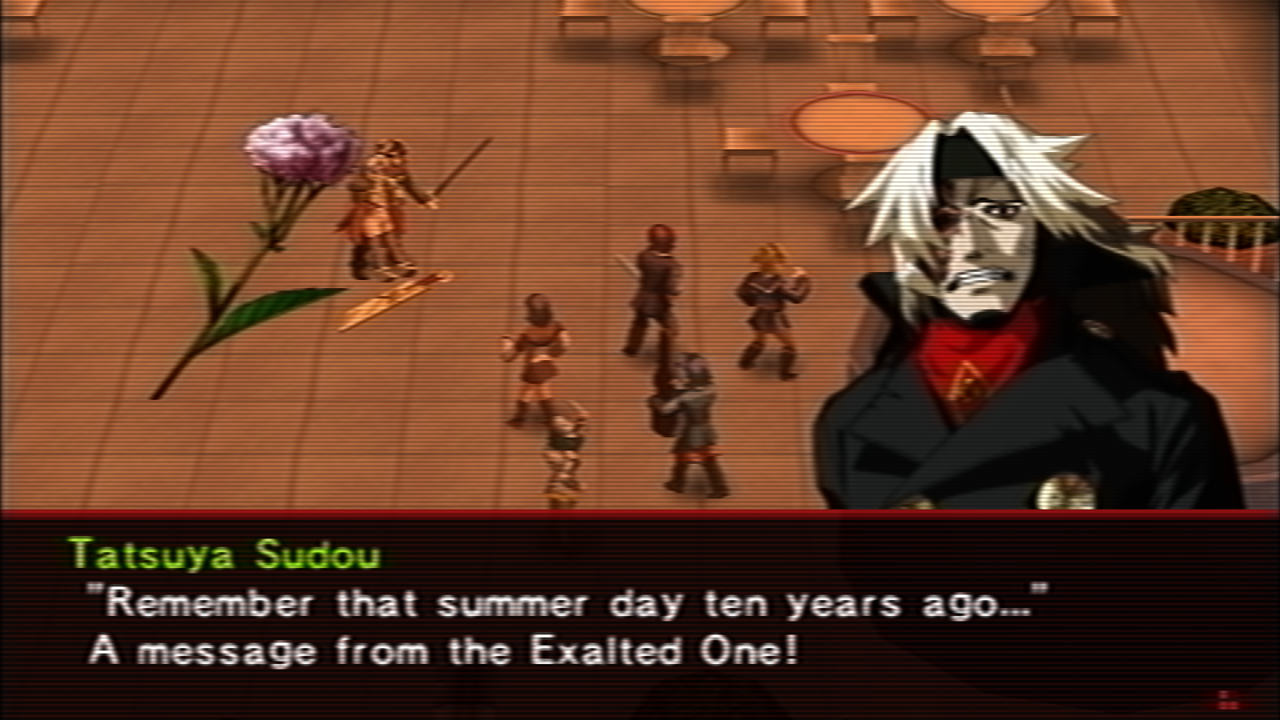
However, the game’s design can lead to frustrating moments. While switching Personas is allowed for all characters, poor planning can leave your party ill-equipped. For example, you might find yourself without healing Personas at a critical moment.
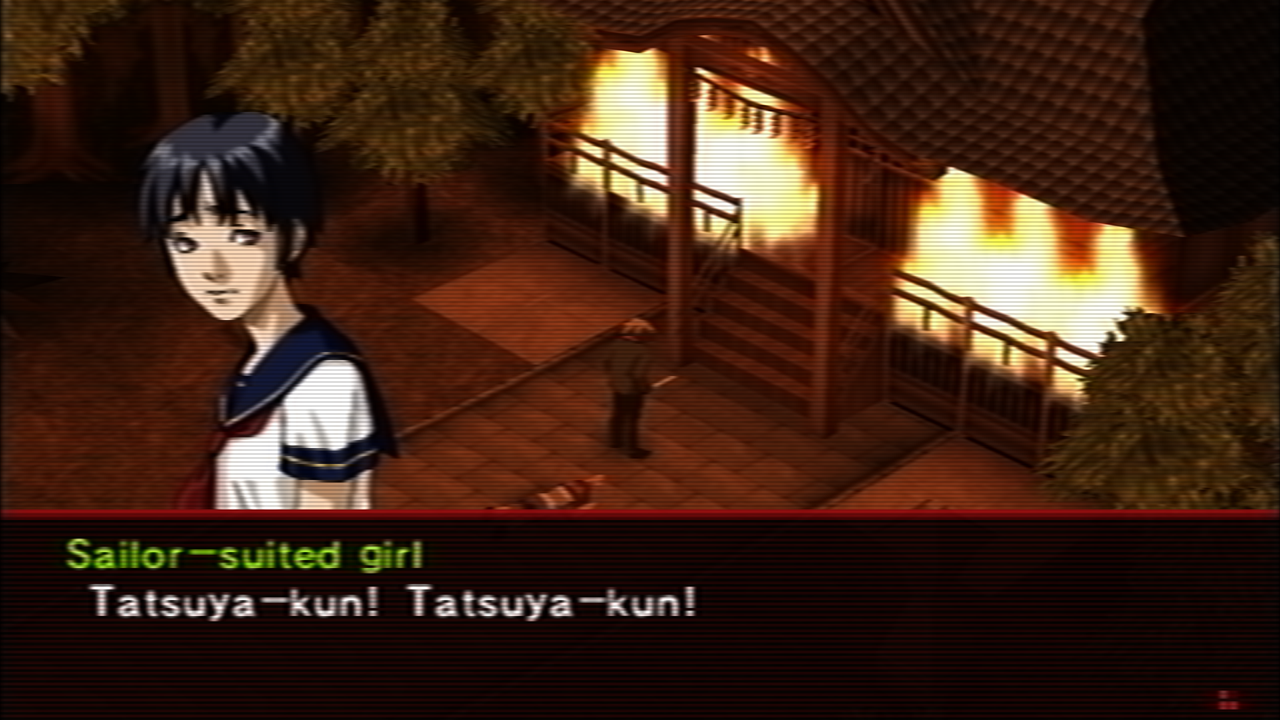
The story builds momentum with dramatic reveals. Tatsuya, Lisa, and Eikichi share a childhood connection through their "Masked Circle" game, unaware that this innocent past would tie into the terrorist organization of the same name. They learn that their childhood friend Maia, who introduced them to the Persona concept, met a tragic fate due to their actions—a revelation that explains the titular "Innocent Sin." Except that Maia is alive and well.
Some of the more annoying moments include navigating a museum with a real-time timer and solving Leo’s bomb "puzzle" (basically checking everywhere for a bomb), where failure results in buildings exploding—though the story adapts regardless of your success.
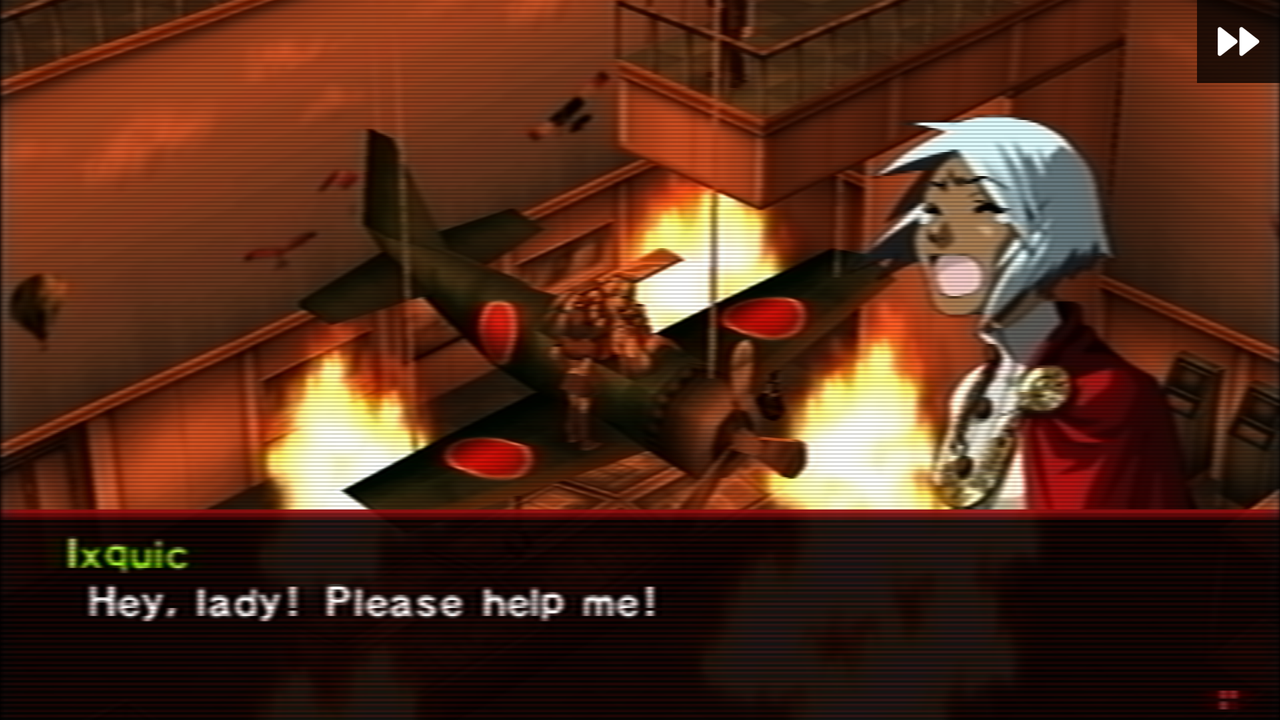
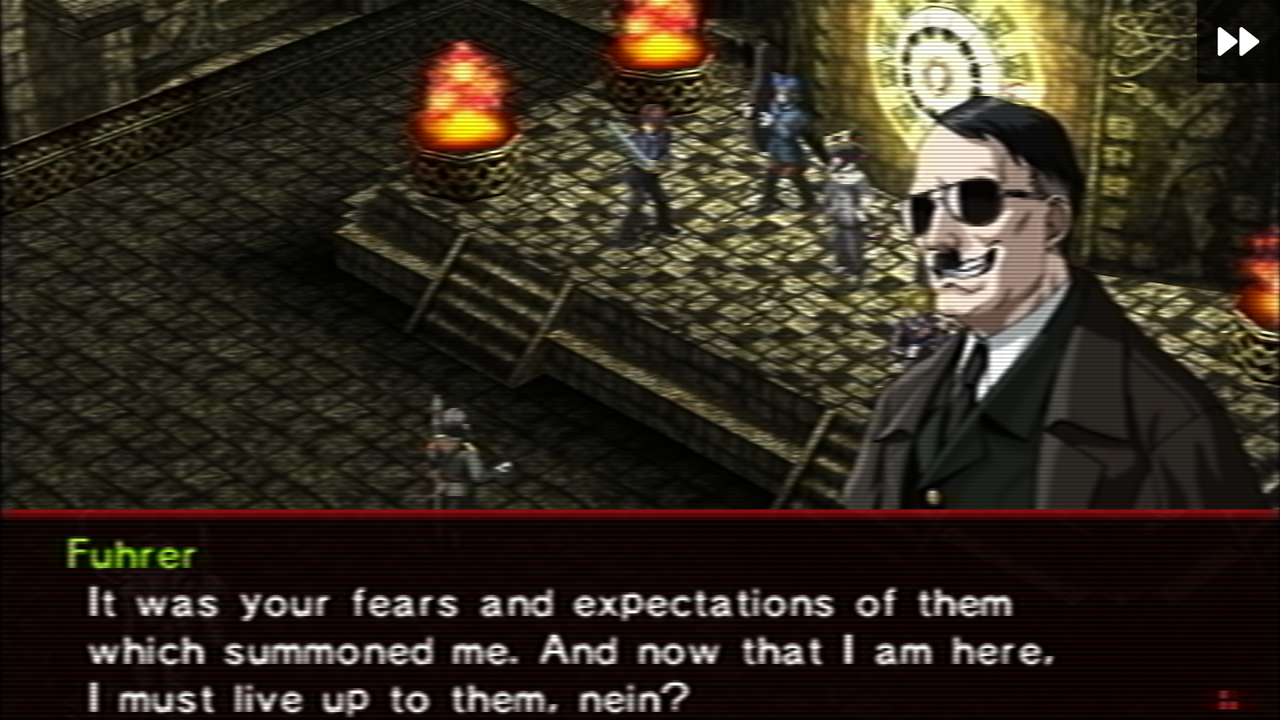
The plot takes a darker turn with the appearance of Nazis, who bring a difficulty spike. The upgrade to “Prime” Personas provides much-needed firepower, especially Tatsuya’s Vulcanus Prime with its versatile Fiery Fury skill, which combines fire and physical damage. At this point, Yukki leaves the party after her boyfriend’s death, replaced by Jun. It would be tragic, except we haven’t seen this guy once throughout the game.
Dungeon design is where Innocent Sin fails miserably. The mazes are visually dull and mechanically frustrating, filled with invisible traps and convoluted layouts. The final dungeon, Xibalba, epitomizes these flaws with its tedious eight-floor design.
Despite its challenges, Persona 2: Innocent Sin is generally easier than later entries in the series. Generous SP recovery mechanics and affordable items allow players to overcome most obstacles with proper preparation. The final boss is manageable even with default Personas at moderate levels. I expected an additional dungeon after the battle.
Unfortunately, the ending feels abrupt and unsatisfying. After defeating Nyarlathotep, a final twist sees Maia fatally wounded by the Crazy Teacher wielding the Longinus spear, reinforcing the cyclical theme of suffering. The game ends with Philemon offering the characters a choice to forget their pain or continue their struggle. This ties into the series’ recurring themes but makes the game feel incomplete without the sequel, Eternal Punishment.


