One thing I loved about the console versions of Diablo 3 was their full offline functionality, available on both the Switch and PS4. Unfortunately, that's not the case with Diablo 4; you can't even access the menu without an internet connection. I had to download the latest system firmware, set up a PSN account, and then endure a 12GB update. After wasting an hour, I still hadn't played the game. Another 45-minute wait for a 4GB patch followed, which should have taken only 15 minutes. Finally, I could launch the game.
The gameplay feels reminiscent of Path of Exile, which I found quite dull, especially when you need a search button for the skill tree. At least the characters wear pants this time. Since my usual choice, the Crusader/Paladin, wasn't available, I decided to try the Necromancer. It's nice that you start with four skeletons right away, sparing the slow build-up of your army.
Diablo 4 retains the core mechanic from Diablo 3: use your Signature Skill to build Essence, then unleash other skills to clear enemies. It's better than spamming a single skill like in Path of Exile. Surprisingly, I found the Barbarian more enjoyable than expected. The character has four weapon slots—one for a two-handed bludgeoning weapon, one for a two-handed slashing weapon, and two for dual-wielding. The skills are cleverly designed to use the right weapon for each job.
The game has clearly taken inspiration from MMORPGs. Unlike the mostly linear Diablo 3, Diablo 4 offers quests in every village, and since the world levels up with you, your starting location doesn't matter much. An interesting feature for the Barbarian class is that weapon mastery increases with use, not with character level—quite different from previous Diablo games where everything was tied to leveling up. I built a Whirlwind Barbarian, and it's a blast to mow down hordes of mobs with this skill available from level 3.
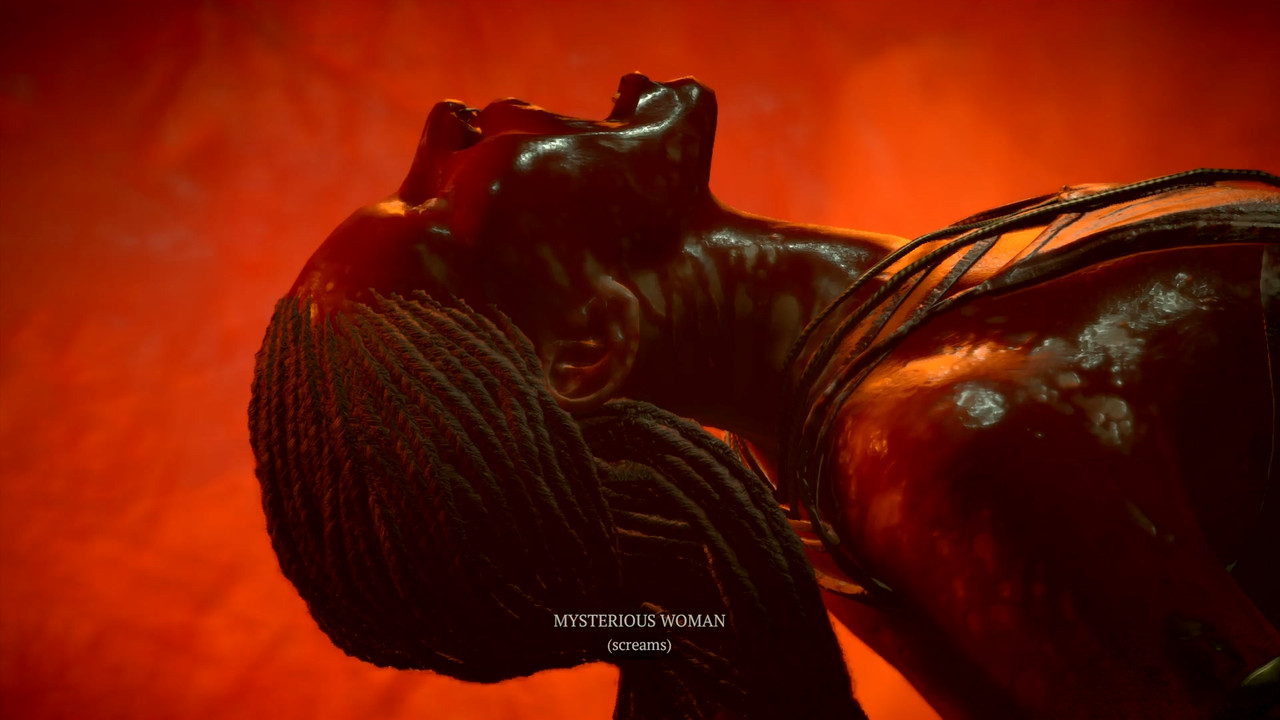
The first area has a distinctly Slavic feel, perhaps inspired by the success of The Witcher. Names like Fedor and locations like Zeleny Lowlands, along with enemies like Volkodlak, give it a unique flavor. Unexpectedly, I've had the most success with the Rogue class. The Rogue has two weapon slots like the Barbarian but for ranged and dual-wield sets. The class mechanics are as expected, with homing arrows, arrow barrages, and elemental imbuements. I haven't died yet with the Rogue, unlike with the Barbarian, where I died multiple times.
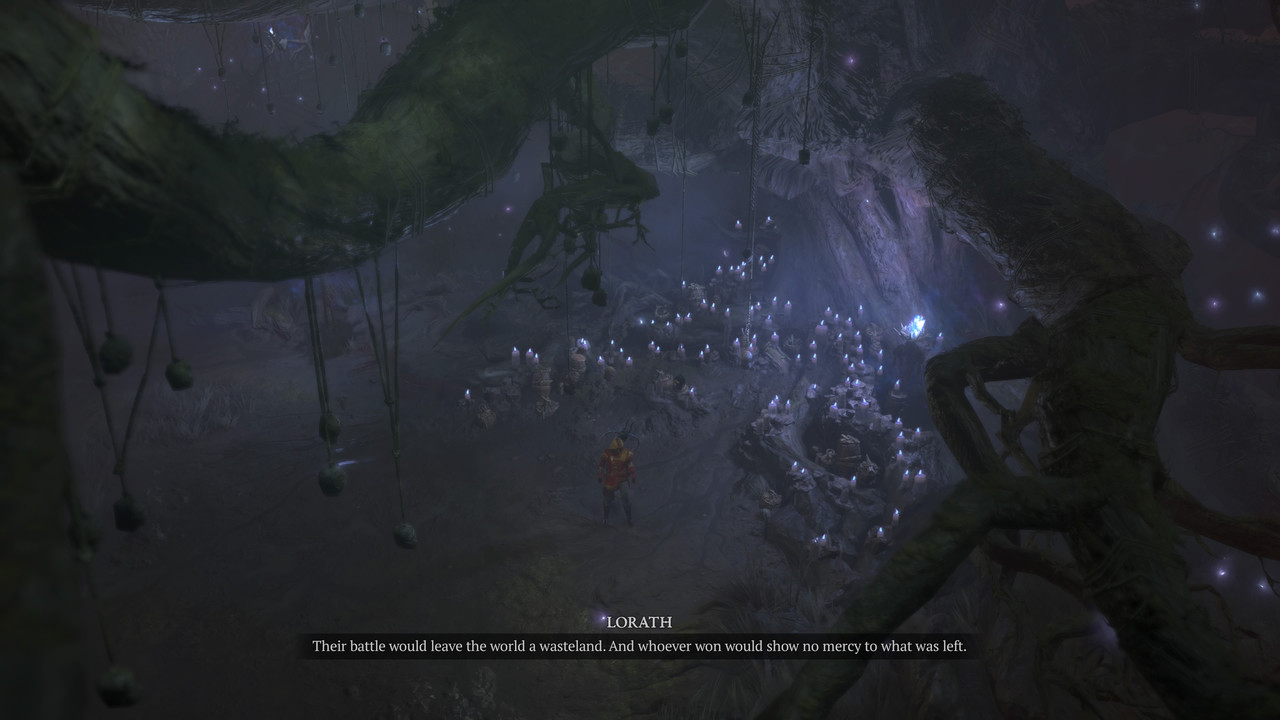
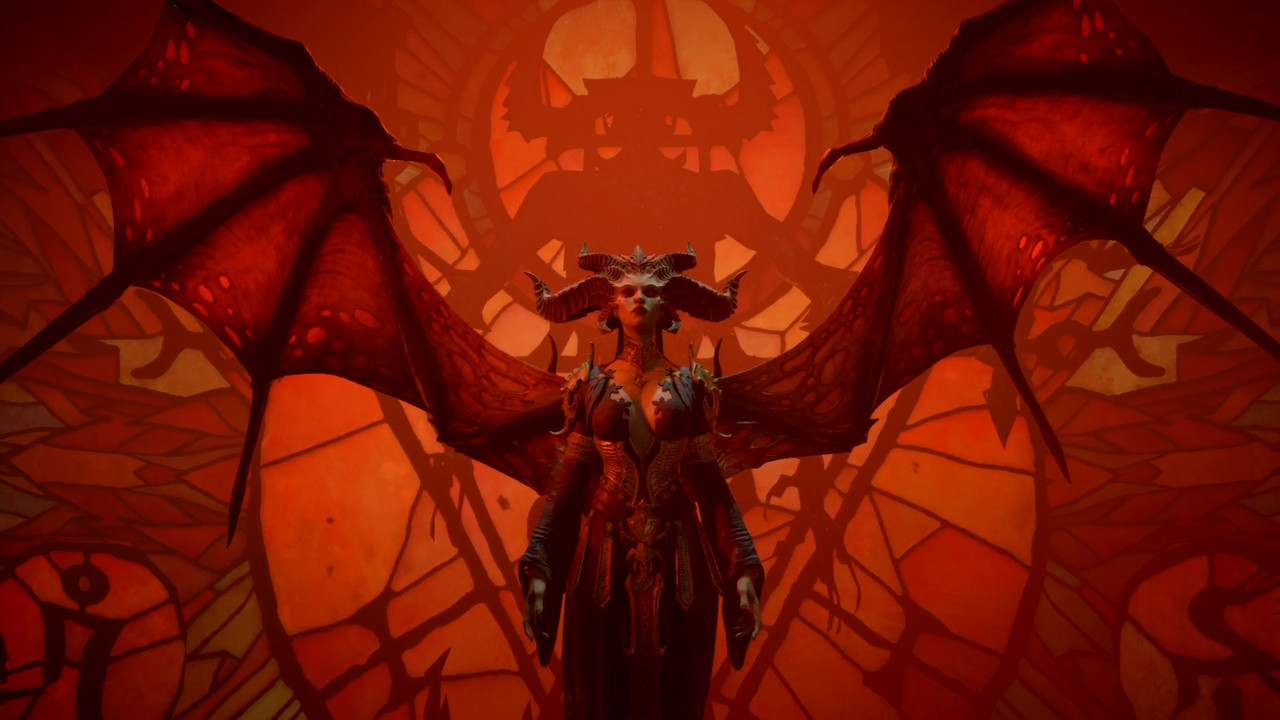
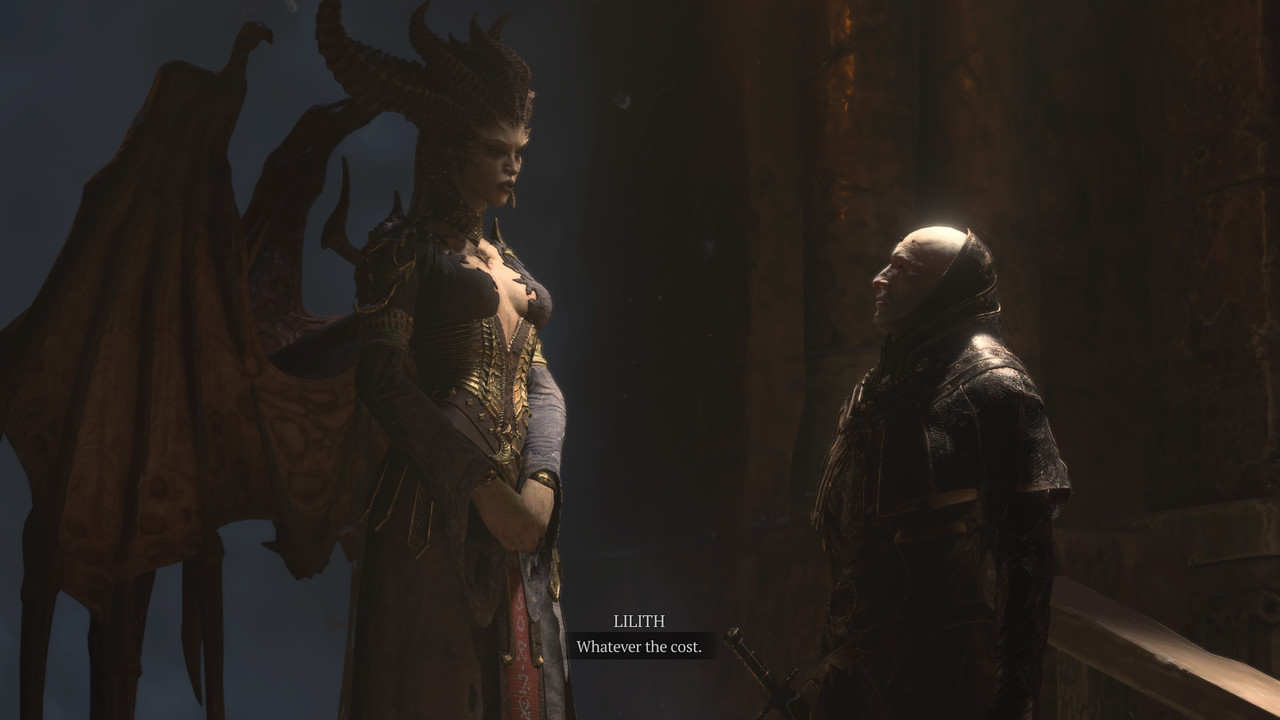
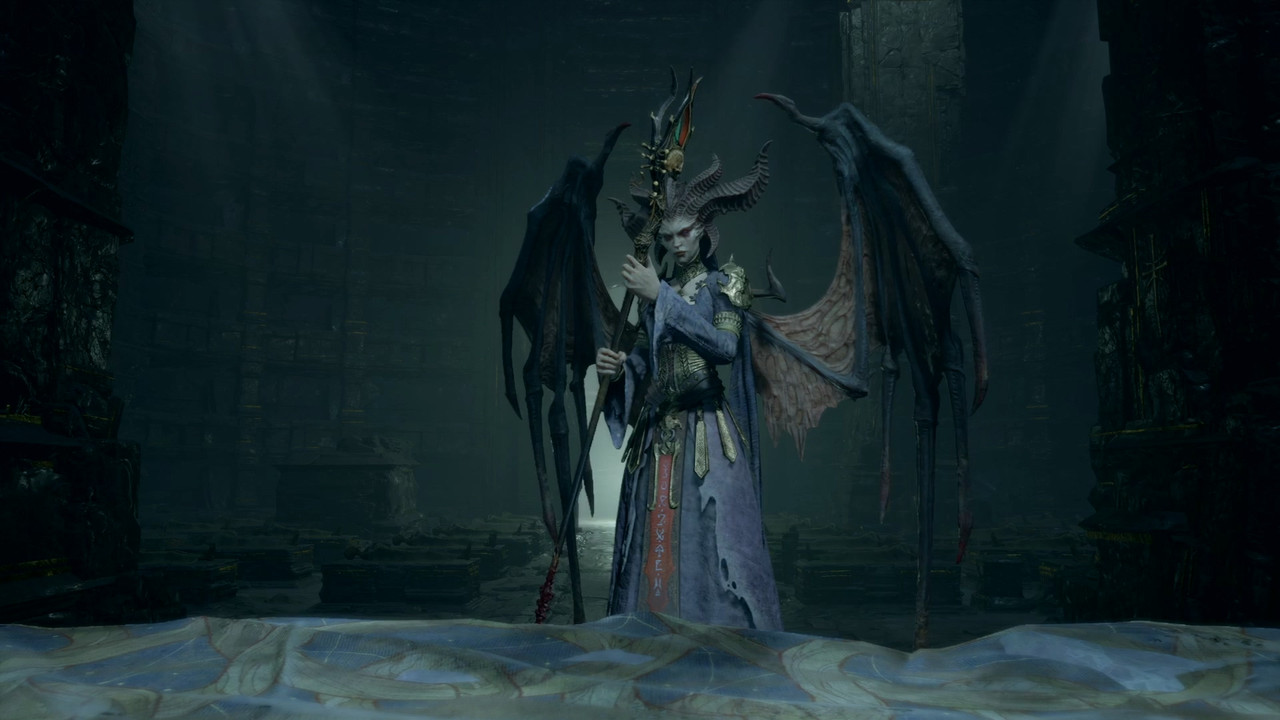
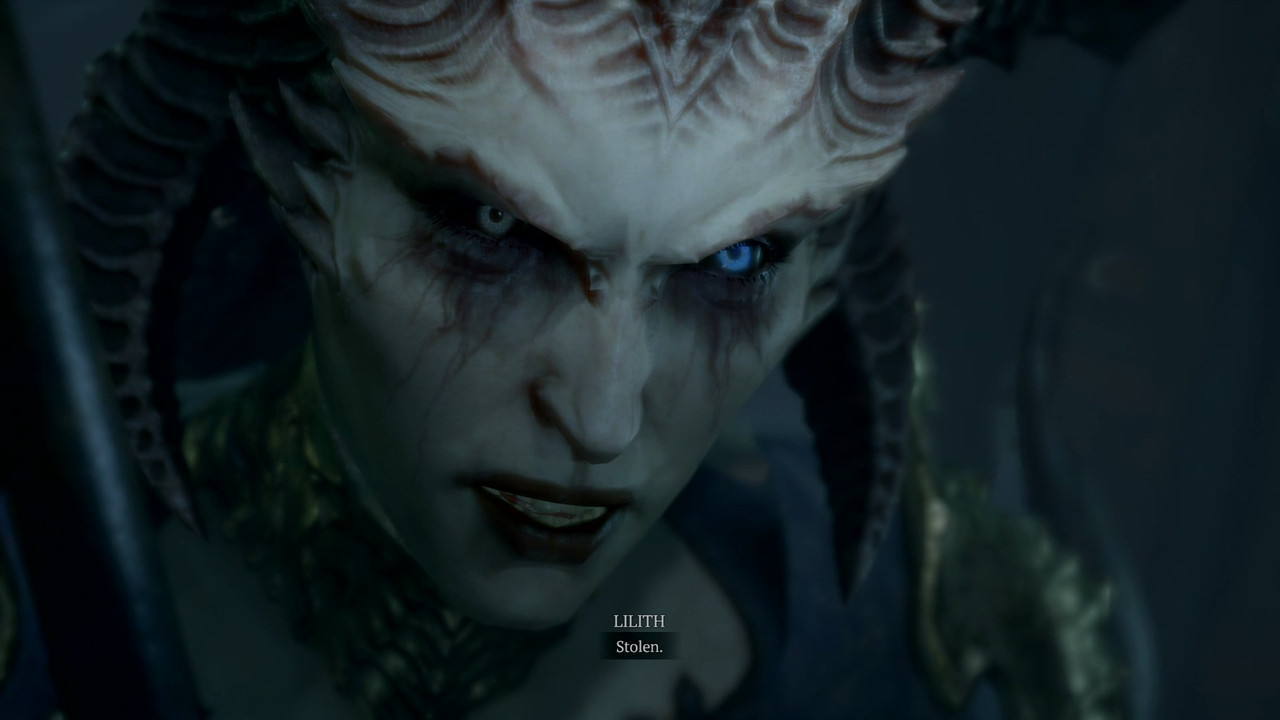
Reaching level 24 at the end of Act I, I finally saw my first "orange" item—it's amazing how much has changed since Diablo 3. The story again involves a dysfunctional family, reminiscent of Adria sacrificing her daughter. Now we have Lilith and an Angel who killed his son, the goth-necromancer, due to anger and prophecies, and now "mommy" is angry.
Seeing Vigo as a Knight Penitent is strange, especially after playing Blasphemous. I'm not sure if the reference is intentional, but it's noticeable. Just when I complained about the lack of "orange" drops, I got my first proper one—a bow. However, the game involves a lot of backtracking, which feels outdated. Whether it's intentional or not, I often couldn't fast-travel to a dungeon entrance or quest-giver, leading to repetitive battles or walking through empty halls.
Around level 30 at the end of Act 2, the game hits a slump. Monsters get tougher, but gear doesn't keep pace, making the earlier "orange" bow as effective as new "blue" drops. Since it's an open-world game, and monsters scale with you, there's a bizarre situation where you can defeat a boss like the Guardian of the Cathedral of Hatred, only to be killed by a random porcupine right after.
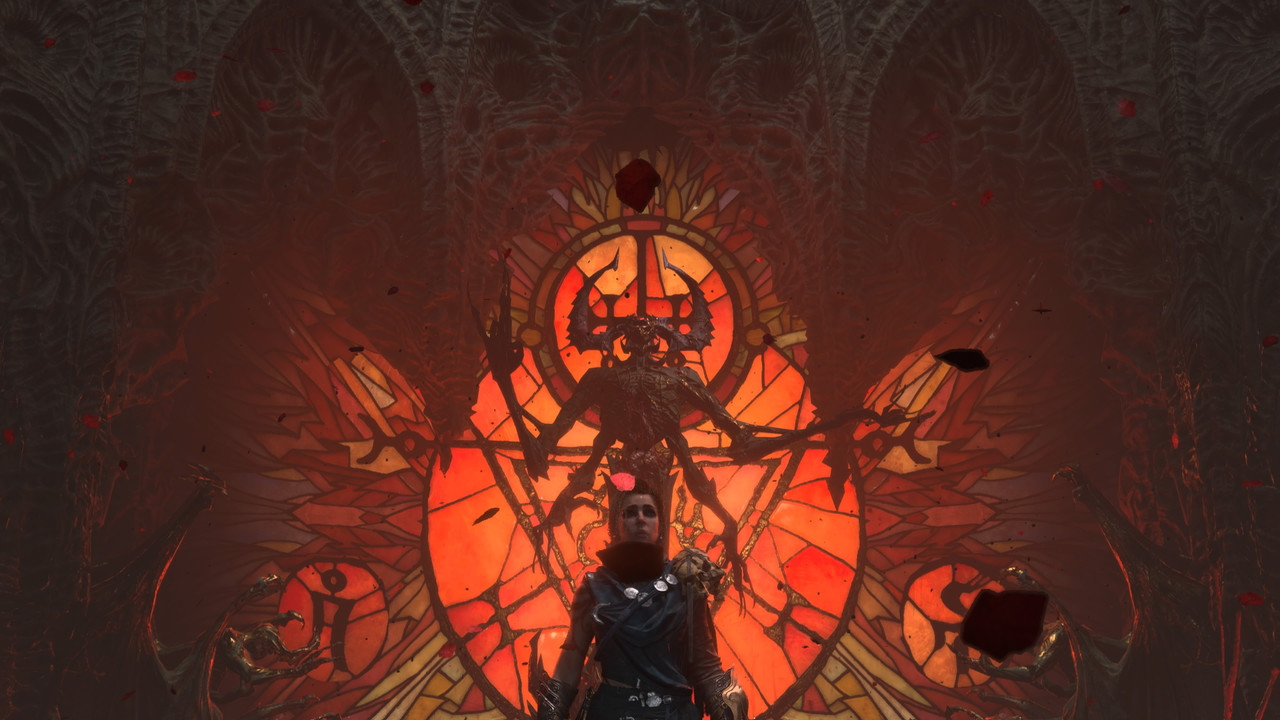
One of the better-written but annoying quests involves the "Goose Sign." I've shifted my Rogue build to focus on poison and traps, which is satisfying, especially with a feature showing if an enemy will die from poison damage. At level 35, the "orange" drop rate improves, but even then, these legendaries quickly become obsolete compared to "yellow" rares. Strangely, rares have unique names, while legendaries often have generic titles like "bumpy helm of greater might."
The fight with Andariel is surprisingly underwhelming; you barely see her as she shoots at you from a distance and then dies. It's a far cry from her menacing presence in Diablo 2.
By level 43, I finally got a horse, making travel easier and a bit like Legend of Zelda with its "boost carrots." The horse helps speed past repetitive enemies, which is a relief. However, encountering the same triple boss setup multiple times in dungeons becomes tiresome.
Despite the story bosses dropping junk, a Treasure Goblin finally gave me a useful bow with a unique mechanic. As for the villain Elias, he's portrayed as someone culling humanity to prepare the strong for an inevitable demonic invasion—a concept that makes sense in the context of the game.
Legendaries, as it turns out, aren't the rarest items, which explains their generic names. I finally got my first Unique item, again from a Treasure Goblin. Although I previously complained about story bosses, Duriel dropped two Unique items, marking his return.
The game's cinematics are excellent, reminiscent of the days when we'd play games just to see the next cutscene. However, some narrative elements feel offhand. For instance, Donan's death and Neryelle losing her hand are handled rather casually. Remembering how Diablo 3 dismissed Deckard Cain, these moments feel similarly underwhelming.
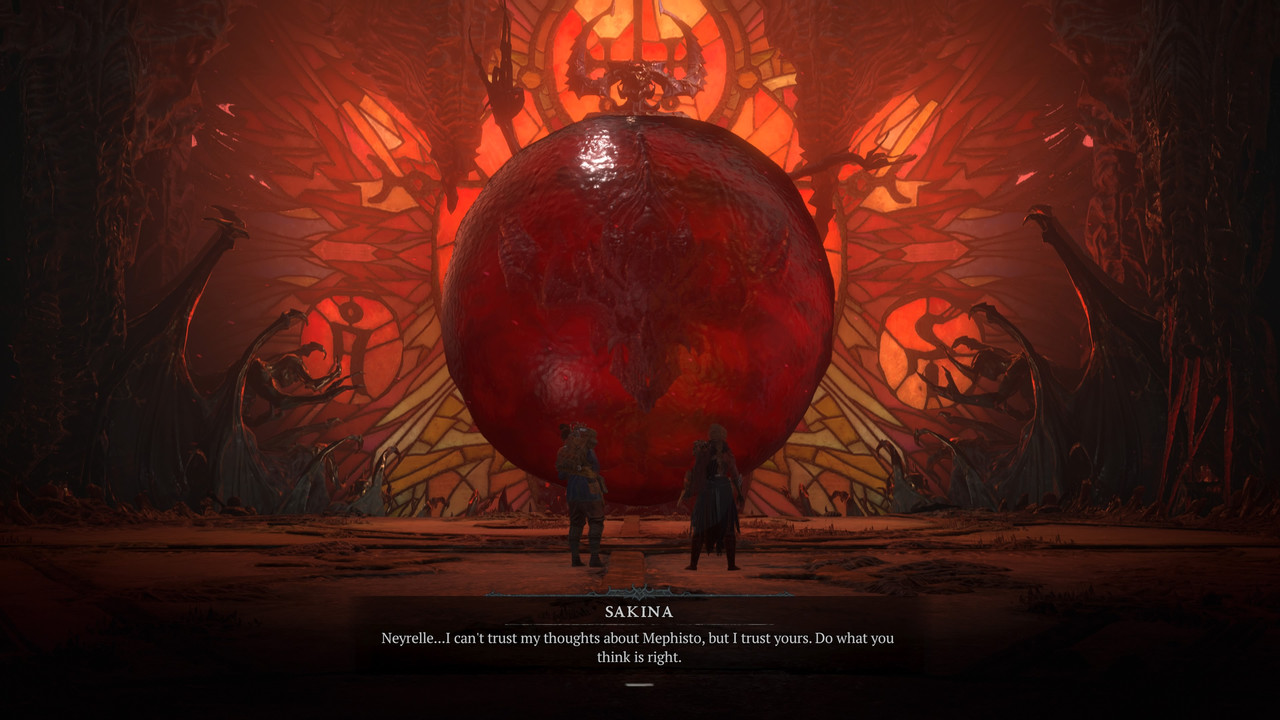
As for the story, the inclusion of Mephisto in a bubble raises questions. Are Diablo and Baal also trapped somewhere? While Lilith speaks of an eternal battle, her death is portrayed as a significant event. But, considering we've defeated Andariel and Duriel multiple times, couldn't Lilith just return like them?