

Review Aleosha 2/5 · Apr 25, 2026
I shouldn't have bothered
I remember trying Jagged Alliance: Deadly Games briefly years ago and bouncing off it because of the turn limit. Coming back to it after the original Jagged Alliance, though, makes it more interesting—if also more frustrating.
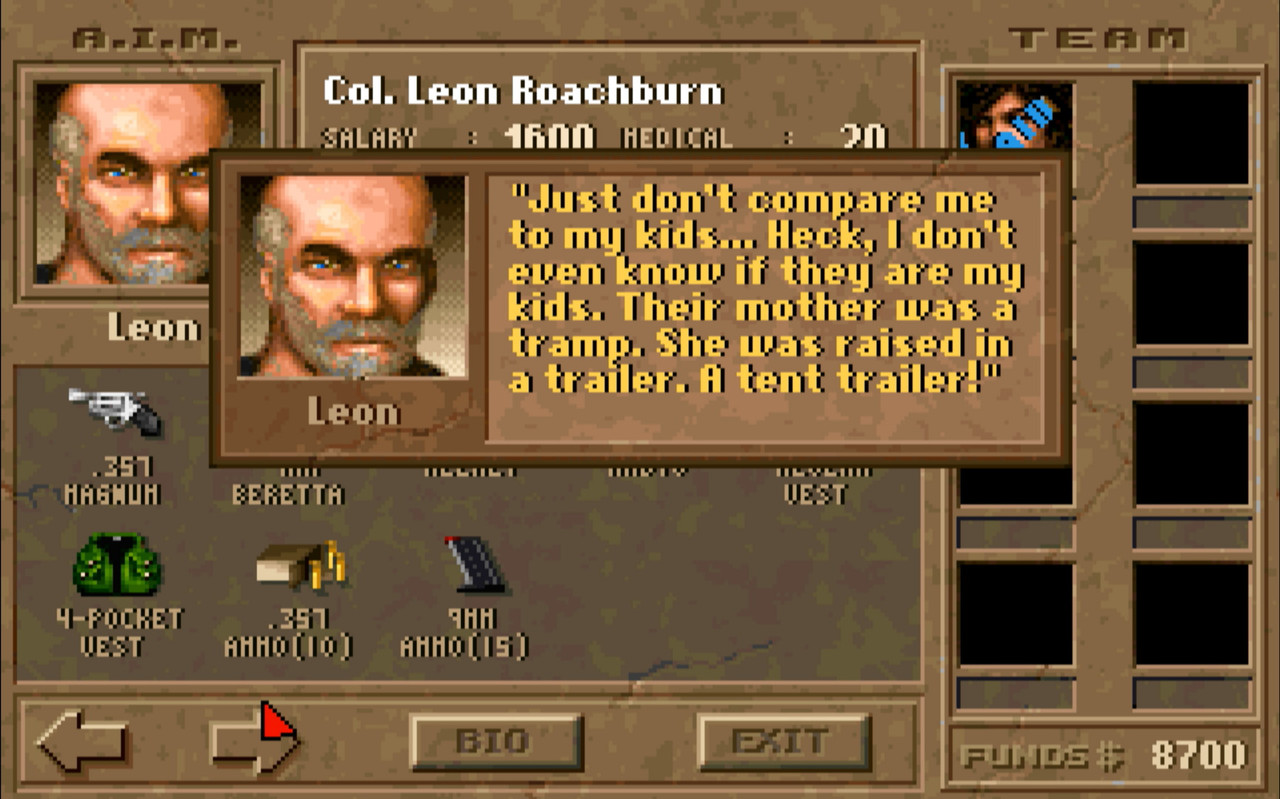
There are some welcome additions. You get new mercs like Leon Roachburn (the father of those not-so-great hires from the first game), new weapons …
I remember trying Jagged Alliance: Deadly Games briefly years ago and bouncing off it because of the turn limit. Coming back to it after the original Jagged Alliance, though, makes it more interesting—if also more frustrating.
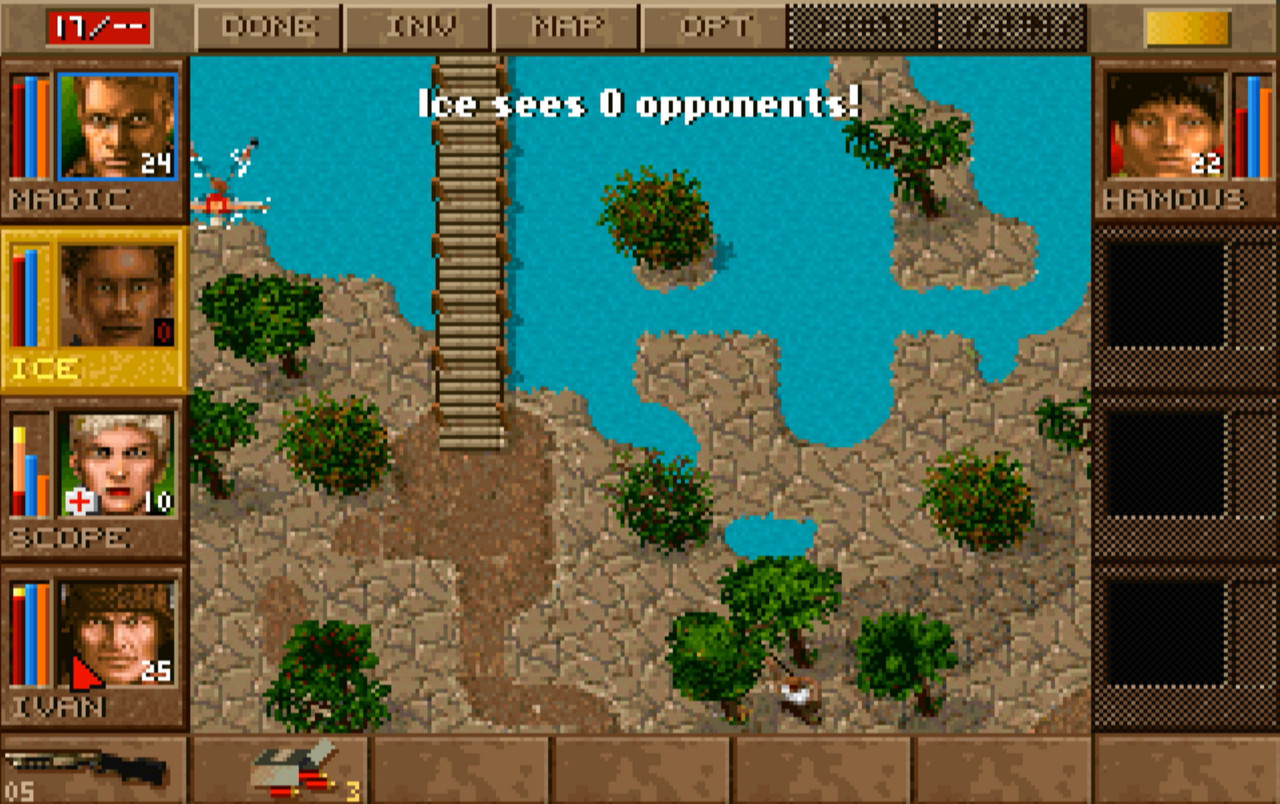
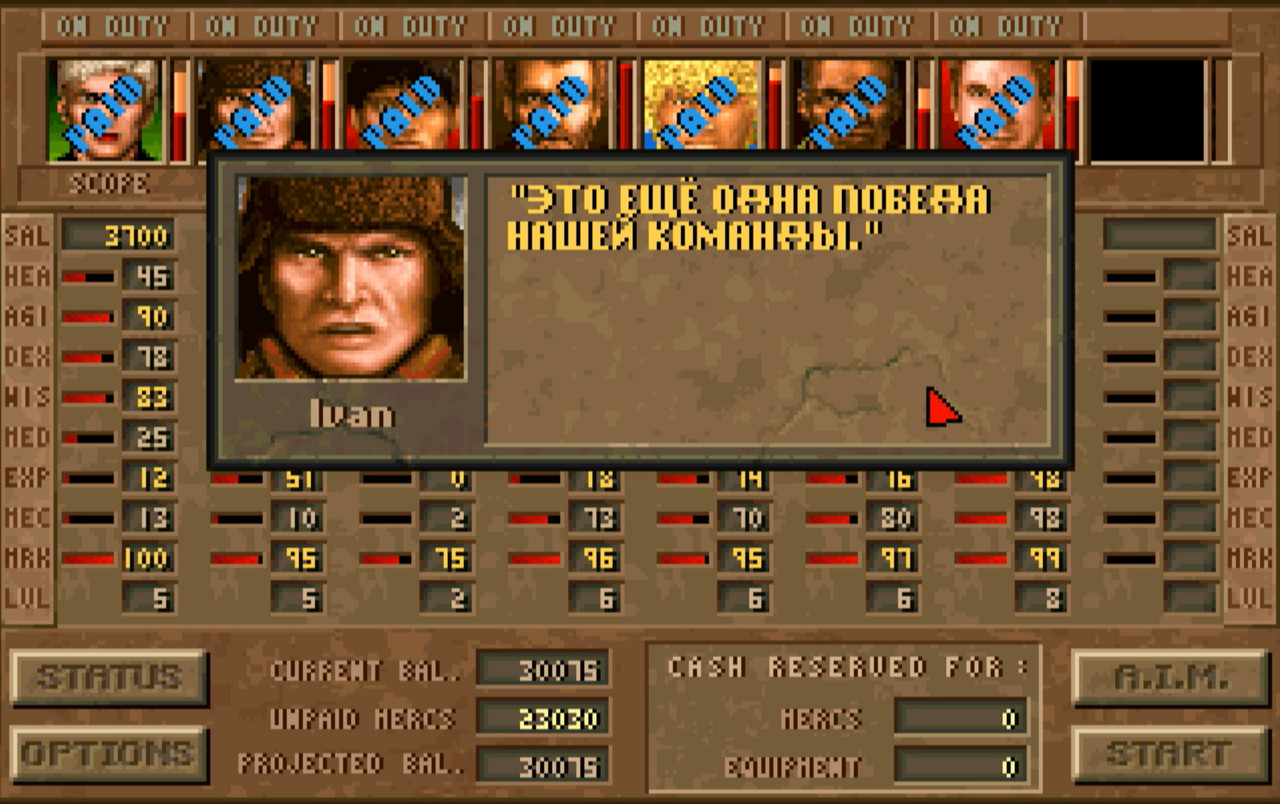
There are some welcome additions. You get new mercs like Leon Roachburn (the father of those not-so-great hires from the first game), new weapons such as the Uzi, and some returning characters show progression—Ice and Ivan, for example, now charge higher rates. High-tier mercs can even be available from day one; I managed to hire Magic early, though keeping up with his salary quickly became a problem.
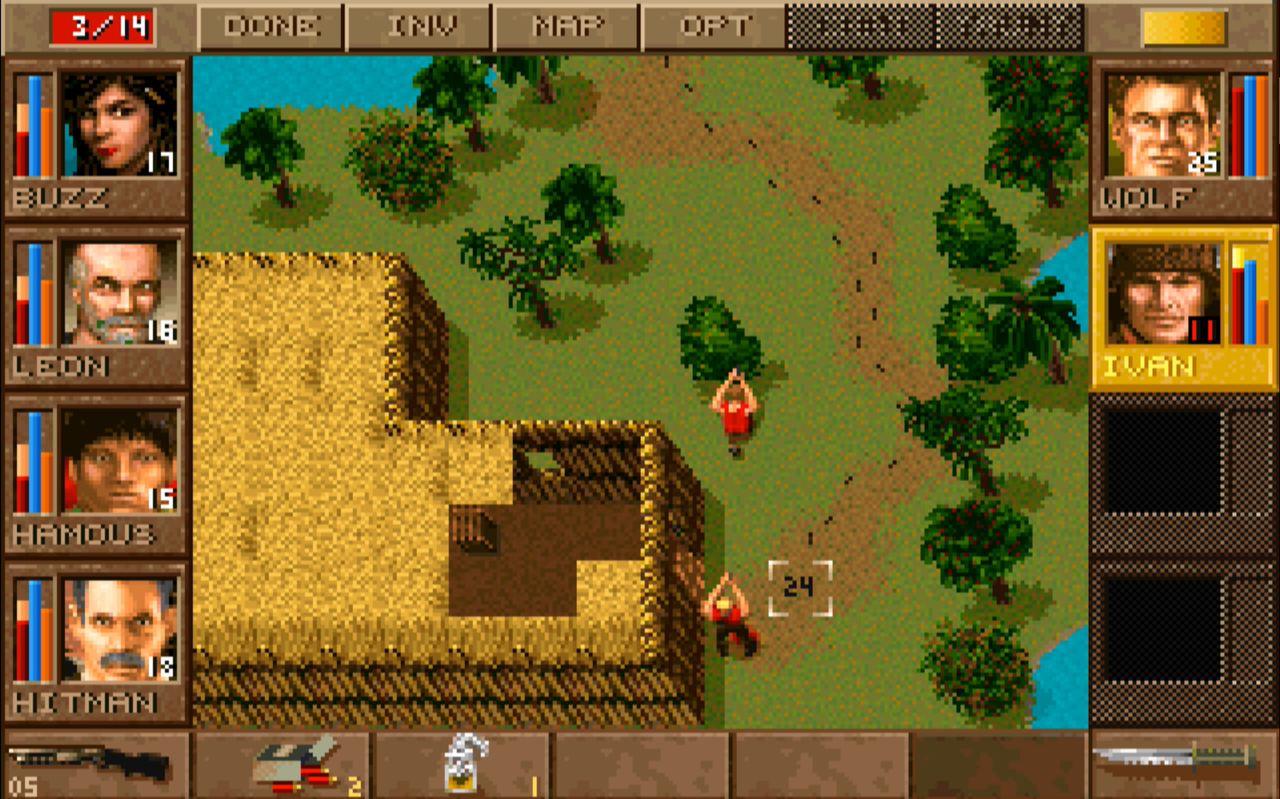
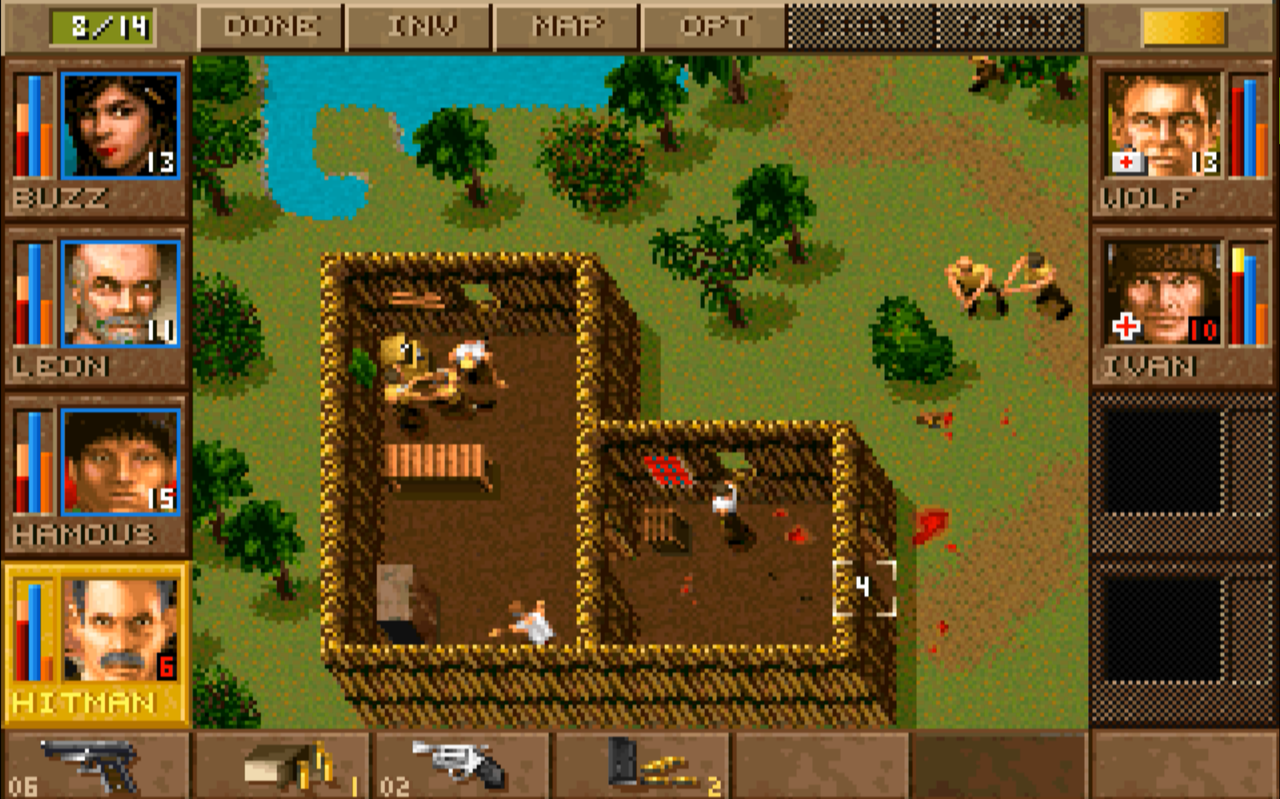
Mechanically, the game improves in a few areas. Enemies can now shoot while crouched, which looks far more natural than in the original, and wounded enemies leave blood trails—something that makes tracking them much less tedious. The turn limit, which initially put me off, can actually be disabled or restricted to objectives only, leaving unlimited time for looting. That flexibility helps a lot.
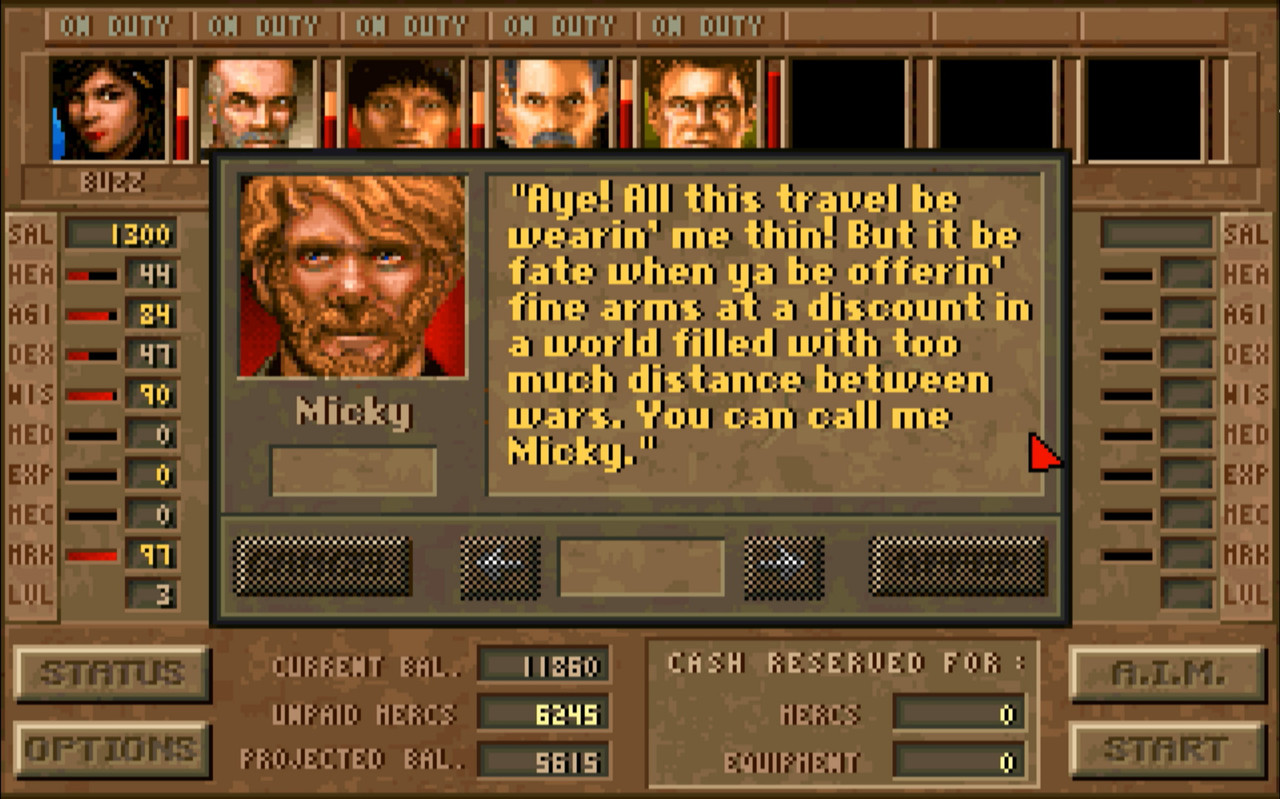
There’s also a shop system with item bundles and even haggling, which adds a bit of economic gameplay. Hiring and firing mercs feels more forgiving too—if someone isn’t working out, it’s easy to replace them without much penalty.
Some mission design changes are interesting. Escort missions are introduced, where civilians aren’t directly part of your squad but can be commanded. Stat progression is also noticeably faster; for example, Fox gained three points in a single day of training, whereas in the original game, mercs barely improved over long periods.
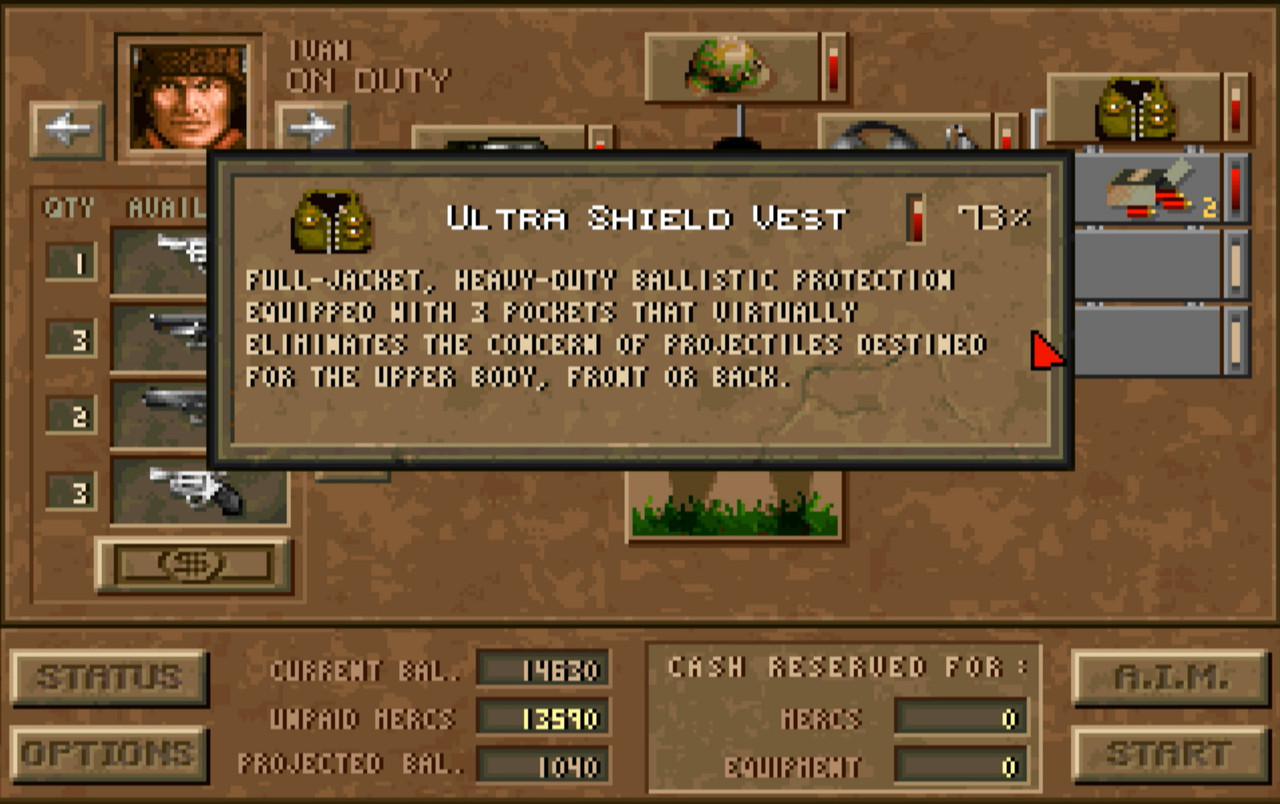
Equipment has been tweaked as well. Instead of choosing between inventory vests and protective vests, you now get hybrid Ultra-shield vest, which trades some storage for defense.
However, the game’s balance starts to fall apart as you progress.
Mission 11 was the first major wall. I could afford four decent mercs, but the map threw more than eight well-equipped enemies at me. Even when I managed to eliminate them all, I ran out of time to complete the objective. I eventually beat it with a cheesy distraction tactic, but it wasn’t enjoyable.
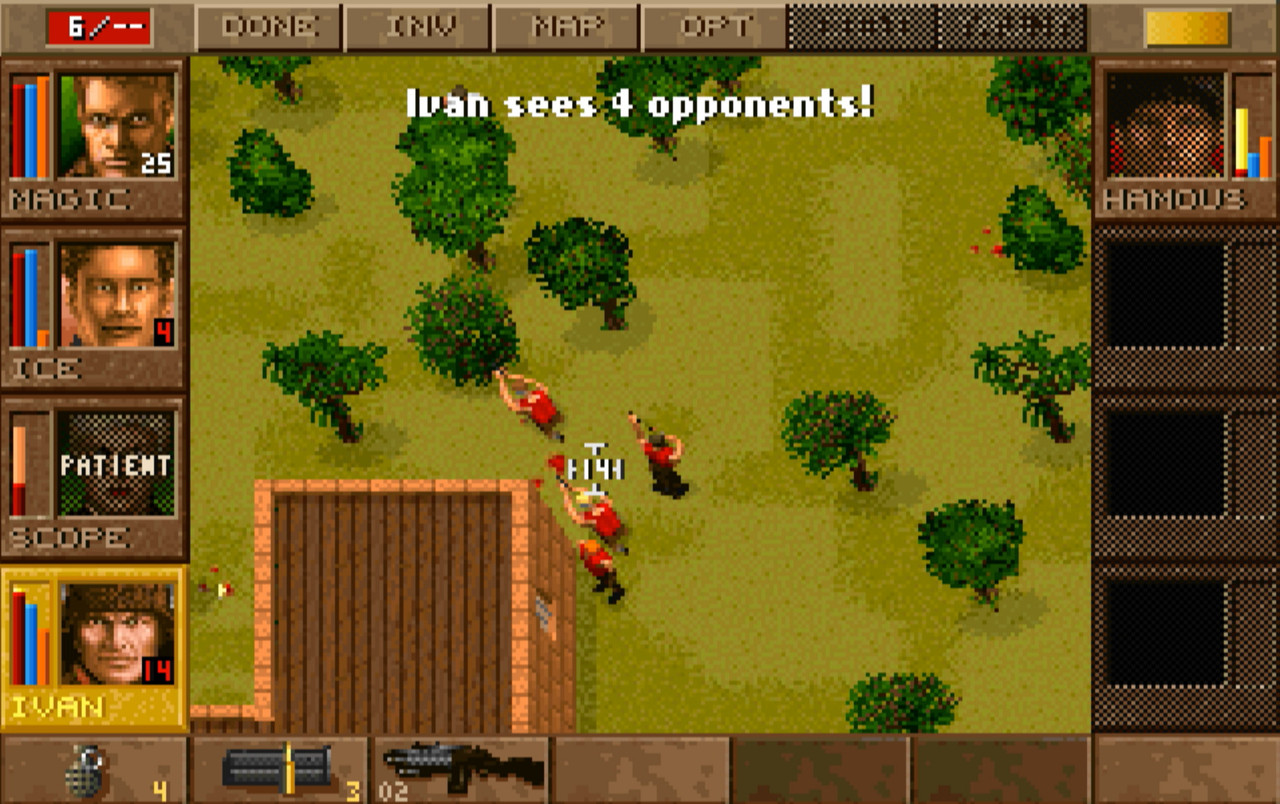
From there, the game increasingly turns into a slog. Enemies rarely drop grenades, and they don’t seem to be sold often either, which leads to repetitive firefights where you line up your mercs and trade shots against numerically superior enemies. The odds are consistently stacked against you.
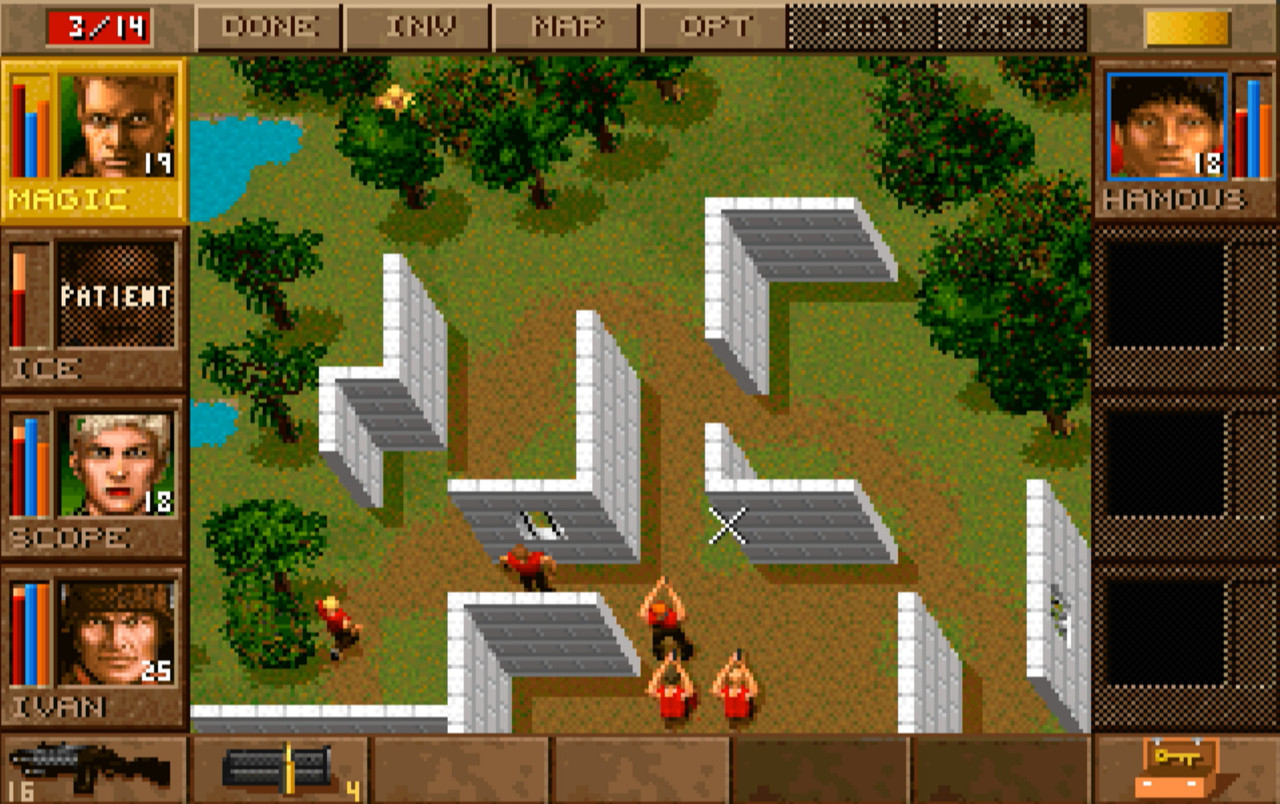
The economy doesn’t help. Rewards feel inconsistent and disconnected from difficulty—one mission that barely felt manageable paid $8K, while a trivial one later paid $13K. Hiring expensive mercs like Magic only makes things worse, especially since skills like lockpicking are far less useful than in the original.
Some shop offers are bizarrely unbalanced. At one point I could buy an M16 with 20 magazines—more ammo than I found in my entire Jagged Alliance playthrough. Meanwhile, unique items like the chainsaw are practically useless due to the long distance of most fights.
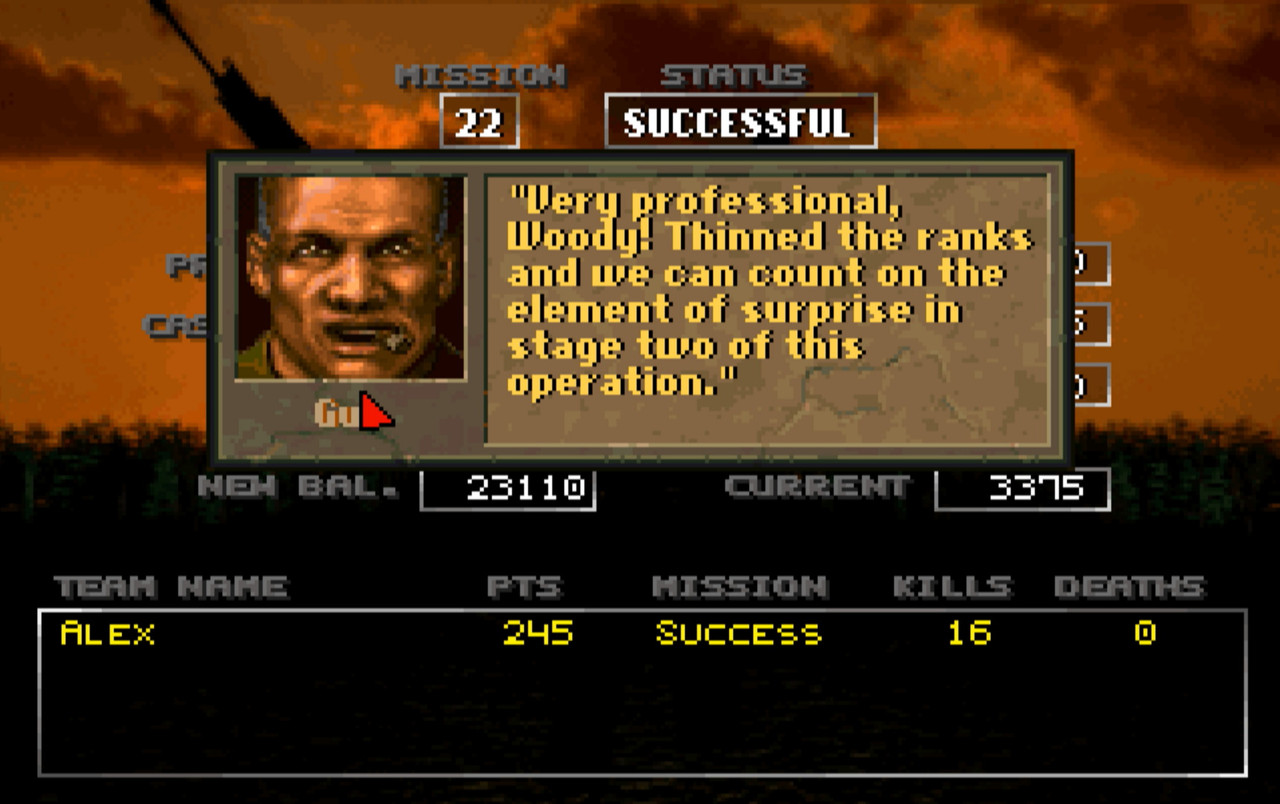
By the mid-to-late game, things get even worse. Mission 22 throws 16 heavily armed enemies at you, often outperforming your squad in ways that feel outright broken—pistols hitting across the map, your mercs missing point-blank shots, and damage calculations that don’t seem to make sense. I resorted to heavy grenade use and save scumming just to get through it.
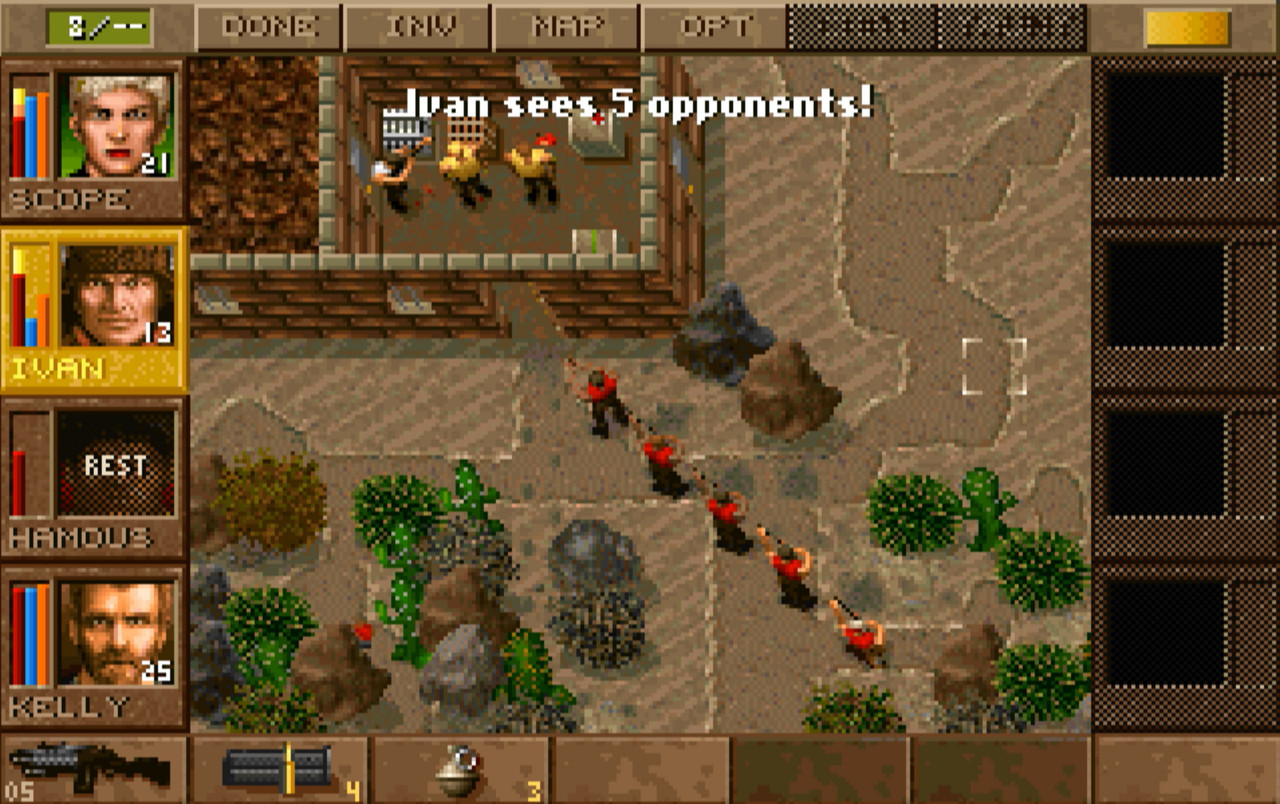
Ironically, the mission difficulty then swings wildly in the opposite direction—after that brutal encounter, the next mission has only four enemies. This inconsistency makes planning nearly impossible, especially since you can’t predict when you’ll be able to sell loot to stabilize your finances.
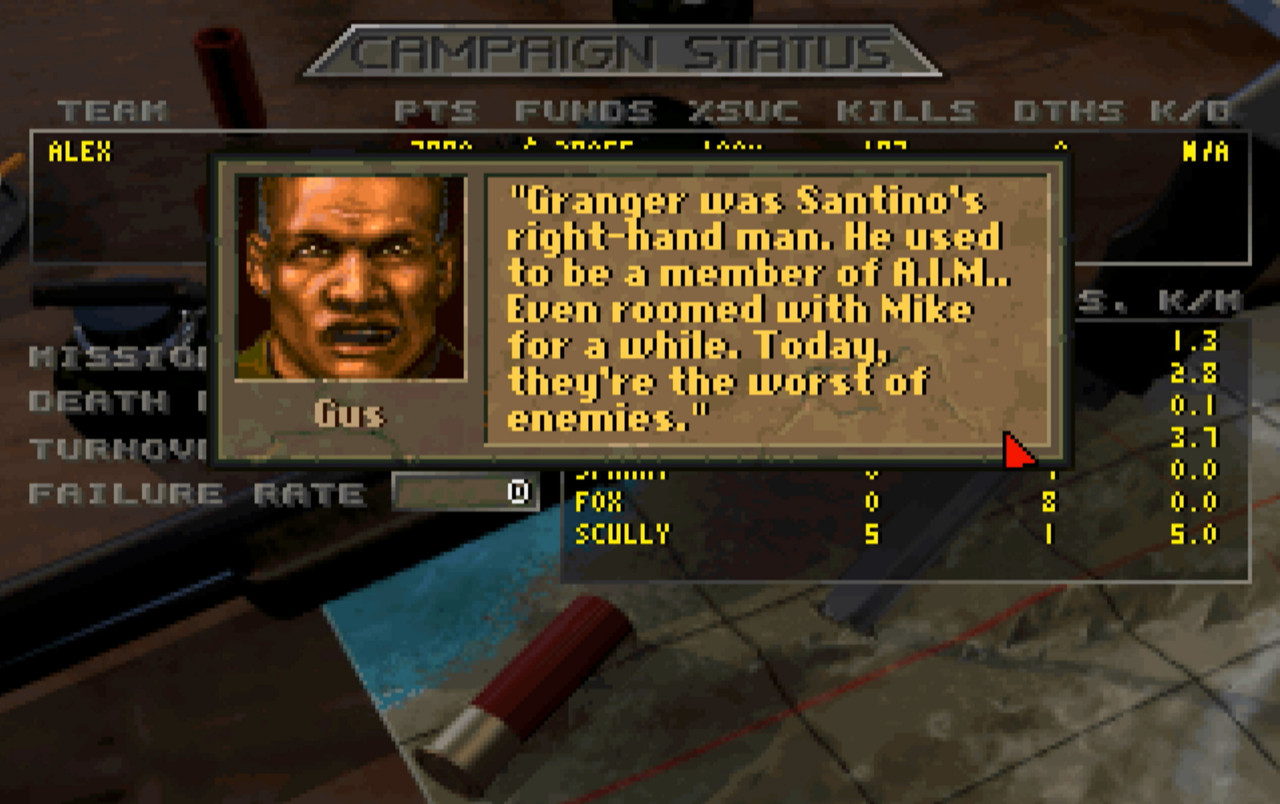
There are some interesting bits of lore, like Gus having previously worked for Santino, the villain from the first game, but they’re minor highlights in an otherwise uneven experience.
By the final stretch, I gave up on conserving resources and leaned fully into using grenades. Once I did that—and eventually managed to hire Mike by selling off everything—the game became more manageable, if not more tactical. The final mission is actually easier than expected, mainly because enemies are spread out and can be cleared methodically.
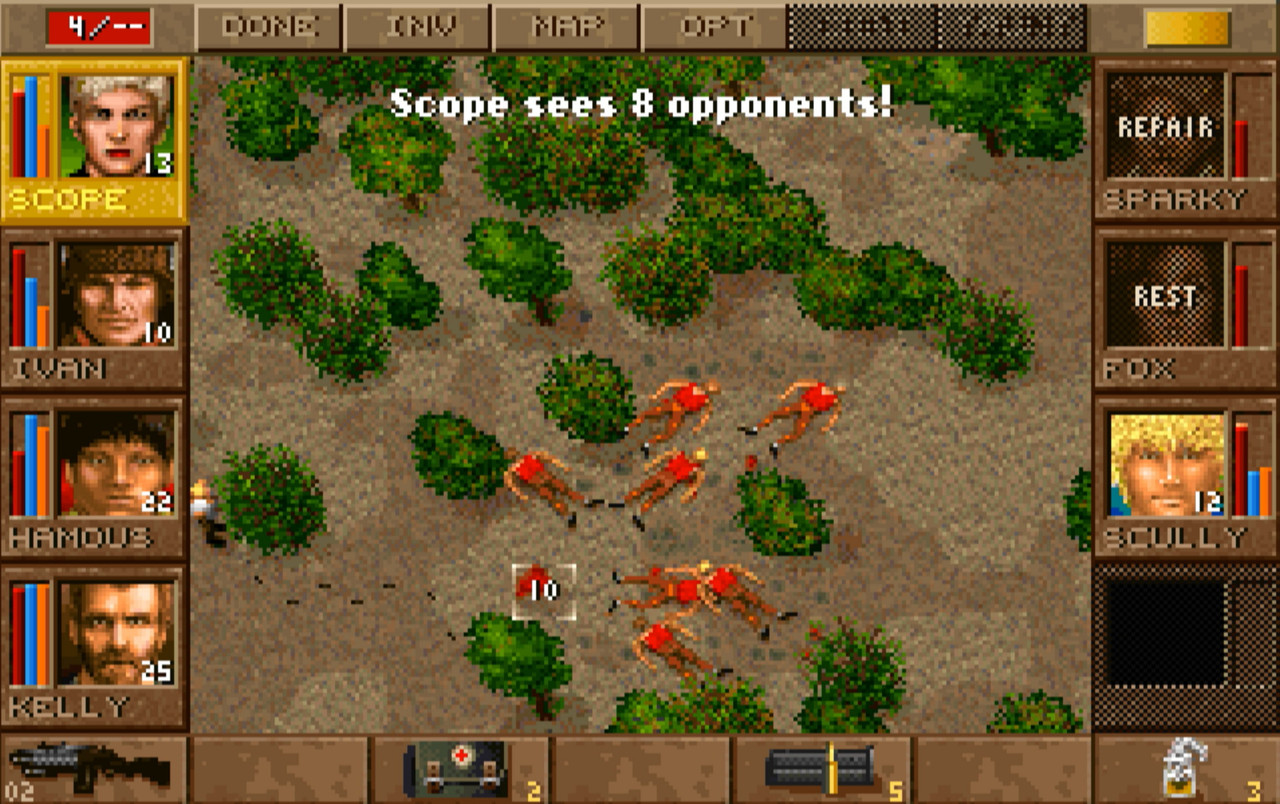
The ending is minimal, with little more than a congratulatory message from your mercs.
Overall, Jagged Alliance: Deadly Games introduces some genuinely good ideas and quality-of-life improvements over the original, but they’re overshadowed by poor balance, inconsistent mission design, and increasingly frustrating combat. What starts as an interesting evolution ends up feeling like an unpolished, low-budget spinoff rather than a worthy follow-up.