Review Aleosha 4/5 · Jul 25, 2025
Ace Combat has always been one of my all-time favorite series. I even bought a PS2 just to play Ace Combat 4, because emulators, for all their perks, still can’t handle the game’s analog controls properly. And it was worth it—at least mostly.

Let’s be honest: Ace Combat 4, 5, and Zero are essentially the same game under the hood. …
Ace Combat has always been one of my all-time favorite series. I even bought a PS2 just to play Ace Combat 4, because emulators, for all their perks, still can’t handle the game’s analog controls properly. And it was worth it—at least mostly.
Let’s be honest: Ace Combat 4, 5, and Zero are essentially the same game under the hood. You fly similar jets, you're given a limited loadout, and most of the time you’re spamming missiles at everything in the sky. The biggest difference lies in how each game delivers its story.
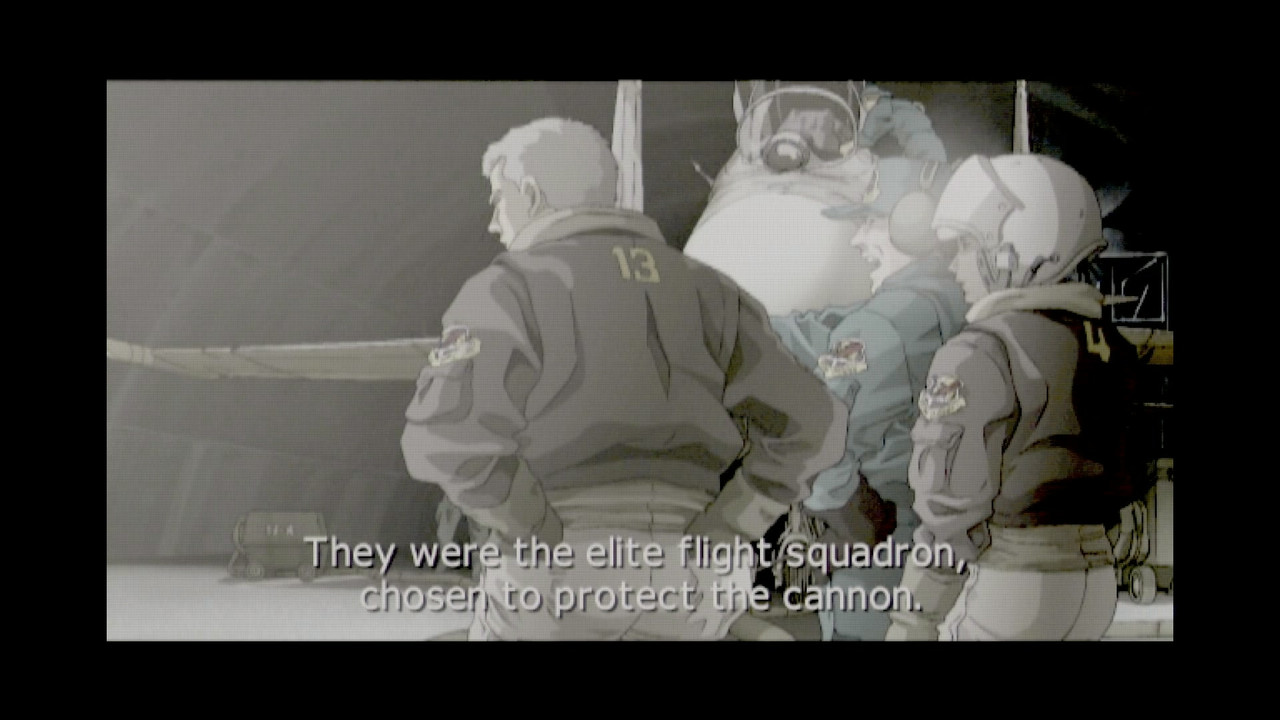
In Ace Combat 4, the narrative is presented through still-frame anime-style cutscenes. Uniquely, the story isn’t even about you—Mobius 1, the silent protagonist—but rather your adversary, Yellow 13. His tale is told through the eyes of a boy whose parents he accidentally killed. The boy, now working at a pub frequented by occupying pilots, watches as his hometown quietly resists. The bartender and his daughter—secretly in love with Yellow 13—are part of that resistance. It's a poetic, subtle approach, a far cry from the over-the-top, “in-your-face” storytelling of later titles like Assault Horizon.
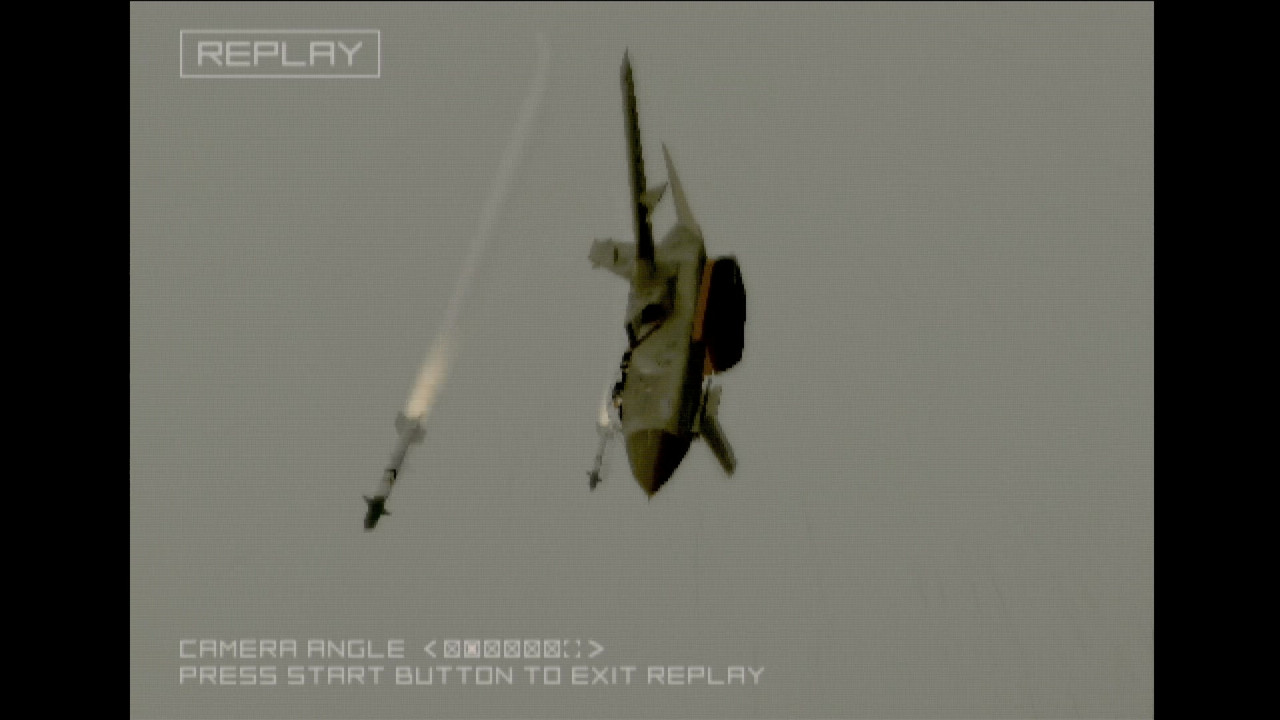
Gameplay, however, is where Ace Combat 4 stumbles a bit. Too many missions follow a “score X points in Y time” formula, which often turns into a drawn-out missile spam-fest with minimal tactical variation. Instead of tackling mission-specific objectives, you're stuck in a repetitive loop of dogfighting, sometimes needing to return to base once—or even twice—for rearming. It wears thin.
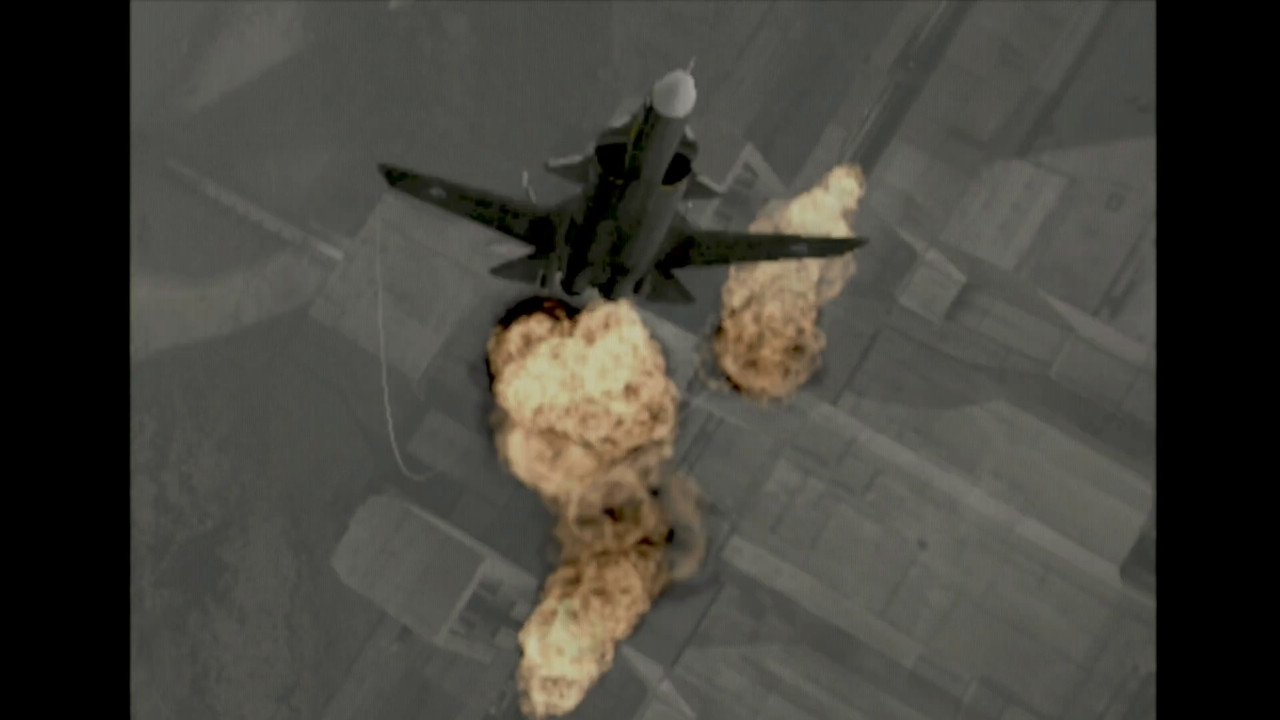
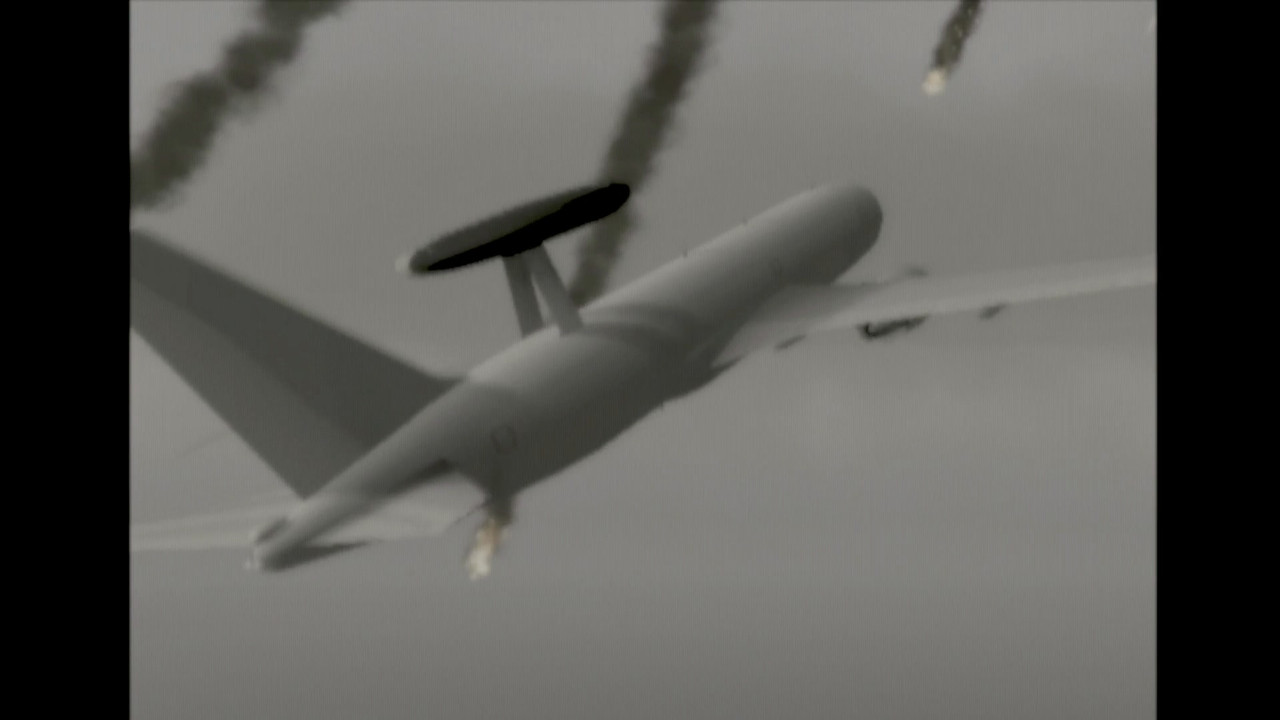
That said, a few missions truly stand out. Mission 7, for example, presents a narrow ravine early on, and you immediately know what’s coming: an orbital cannon starts firing, and your only option is to thread the canyon to survive. It’s classic Ace Combat drama and spectacle. Other standout missions include Mission 10, where you strike an enemy submarine facility, and Mission 11, an escort operation that actually changes up the pacing.

The game is short—just 18 missions, with about two hours of pure gameplay if you're efficient. Progression is tied to a credit system where new aircraft become available as you complete missions. But once you unlock the EF-2000 Typhoon around the halfway point, there’s little incentive to switch planes. Later unlocks like the F-22, F-15 ACTIVE, and Su-47 are flashy, but by then, the campaign is almost over.
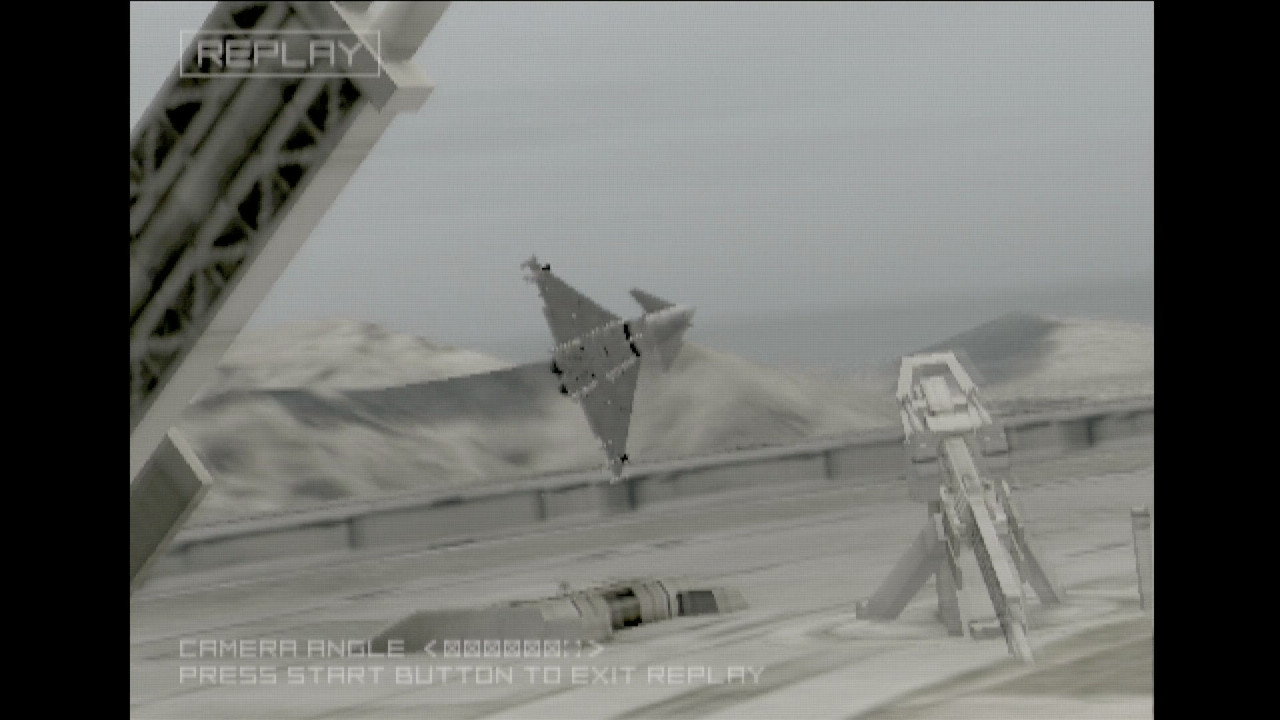
Another immersion-breaking issue is your seemingly useless allied forces. Possibly due to the points system, friendly units rarely (if ever) shoot anything down. It makes the battlefield feel more like a one-man show than a full-scale air war.
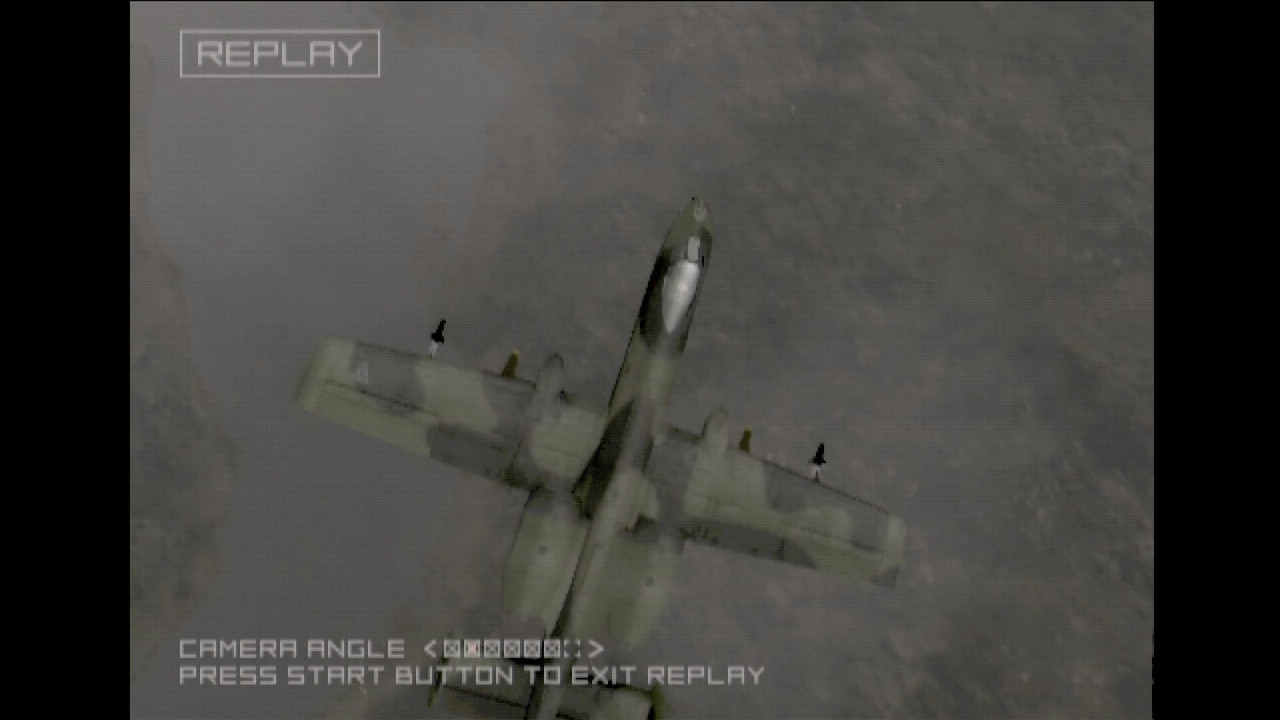
The penultimate mission pits you against Yellow 13, but it’s hard to call him a true nemesis. Mobius 1 never speaks, and you only encounter 13 twice: once to escape, and finally to shoot him down. There's no personal connection, just a silent, symbolic clash.
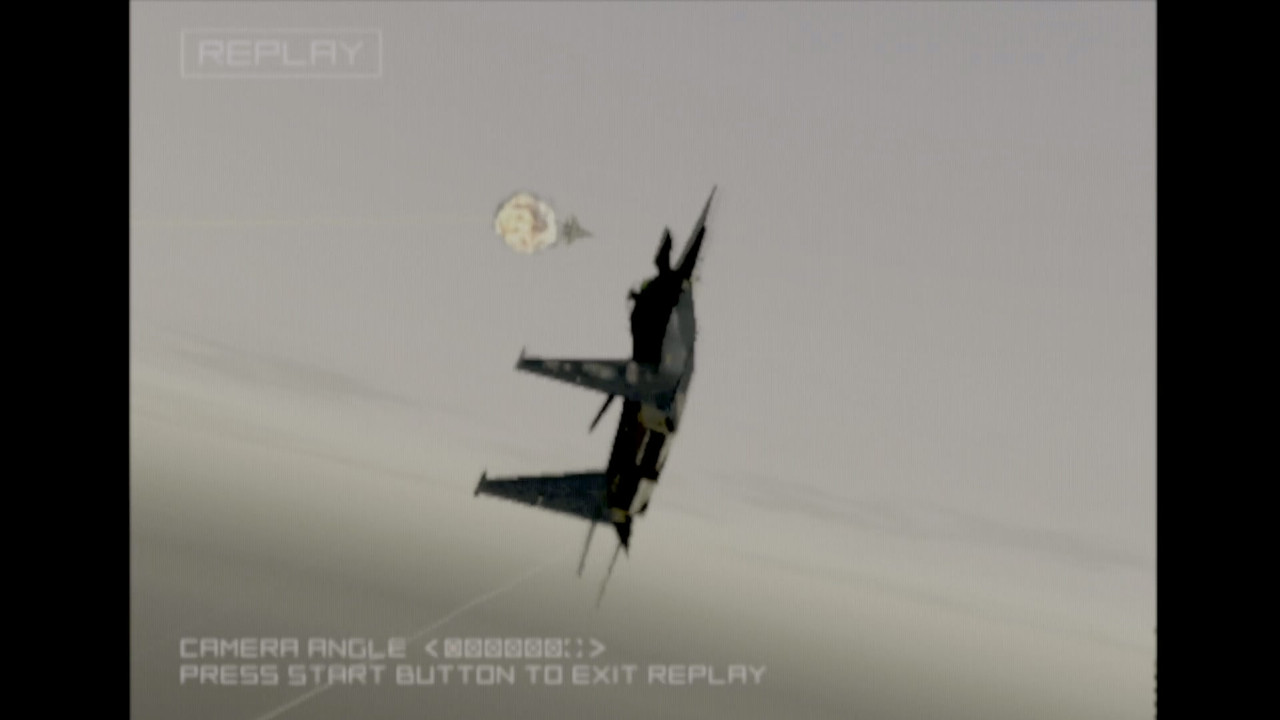
The final set-piece mission has all the expected tropes—tight corridor flying, missile barrages, and sweeping lasers. Despite the spectacle, it was surprisingly manageable on the first try, likely thanks to the analog controller, preparation, or just the fact that later games are more punishing. The trickiest part? Realizing that the third corridor runs perpendicular to the others, requiring a lap around the island to find the entrance.
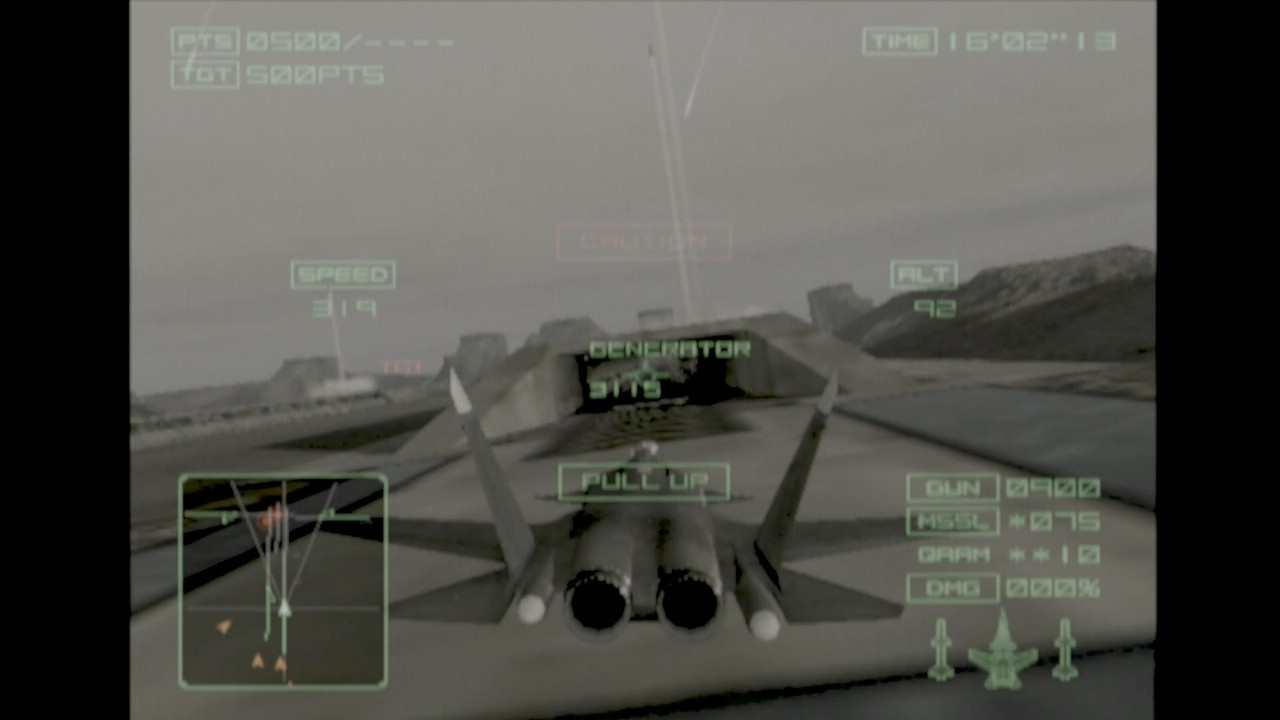
In the end, Ace Combat 4 is still a fantastic game—tight, focused, and visually striking for its time. But its repetitive mission design and shallow progression keep it from being perfect. Still, for fans of the series, it remains a great game and a defining moment in aerial combat storytelling.