


Review Aleosha 3/5 · Nov 27, 2025
The original Crimson Skies on PC sets a very different tone from its Xbox follow-up, High Road to Revenge. From the start, it feels more like a pulp-adventure treasure hunt, complete with radio-drama–style briefings instead of cutscenes. But the biggest shift is in how you build and manage your aircraft. Like in the MechWarrior games, you’re dealing with weight limits, …
The original Crimson Skies on PC sets a very different tone from its Xbox follow-up, High Road to Revenge. From the start, it feels more like a pulp-adventure treasure hunt, complete with radio-drama–style briefings instead of cutscenes. But the biggest shift is in how you build and manage your aircraft. Like in the MechWarrior games, you’re dealing with weight limits, engine choices, armor distribution across four sections, and six customizable hardpoints—each with multiple ammo types.
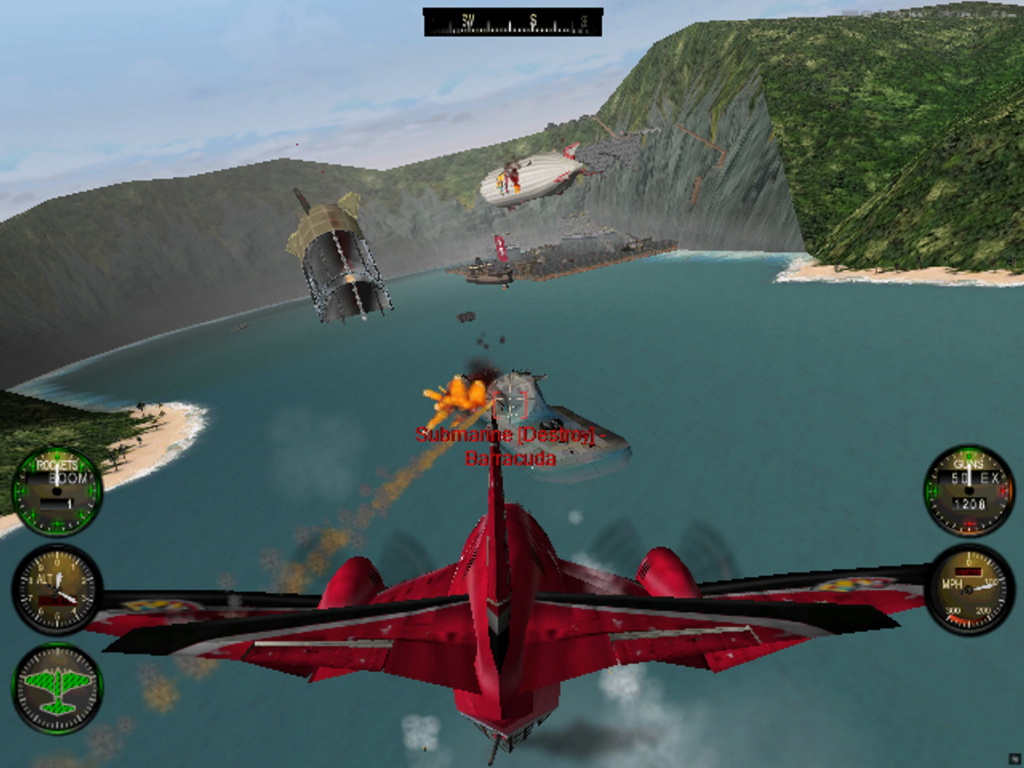
Bullets have visible trajectories and finite supplies, and missiles are extremely limited. I used to complain that High Road to Revenge gave you fewer missiles than Ace Combat, but at least there you could grab refills mid-mission. In the PC original? Four missiles, and that’s your lot. You even see them mounted on your plane, which is a great touch. Still, enemies tend to go down fast and appear in small groups, so running dry isn’t an immediate concern.
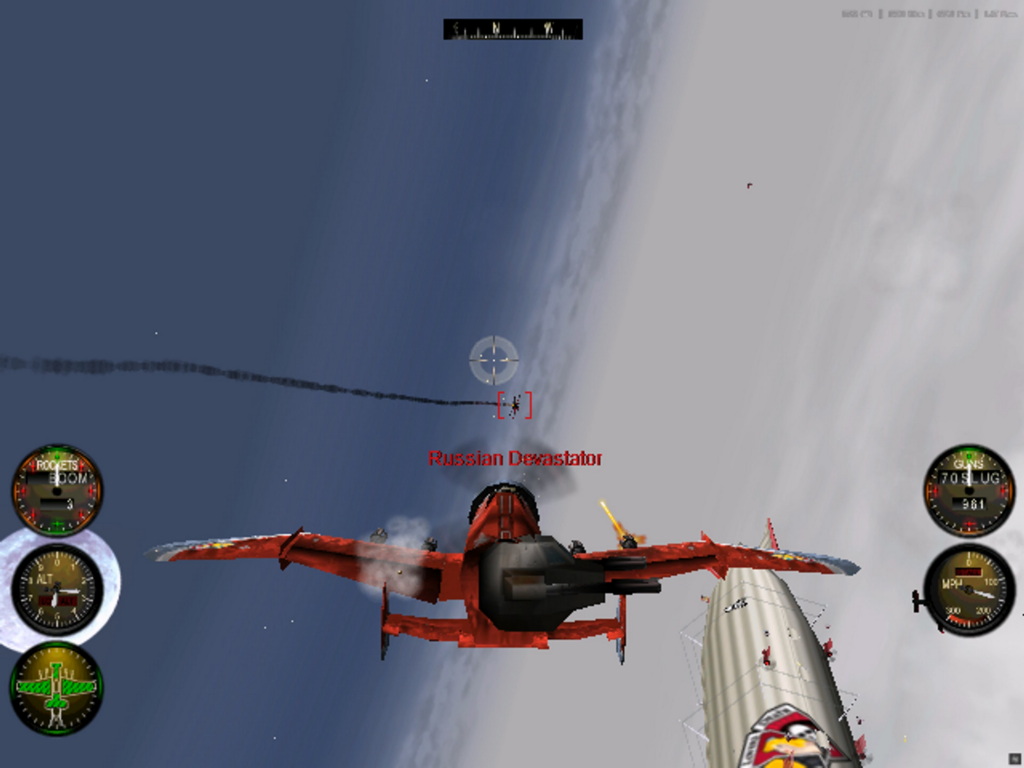
Collisions, however, are deadly. I died multiple times in the opening moments of missions because my wingman barreled out of an airship right into me. In another mission, I accidentally rammed the bomber I was supposed to escort. Instant fail.
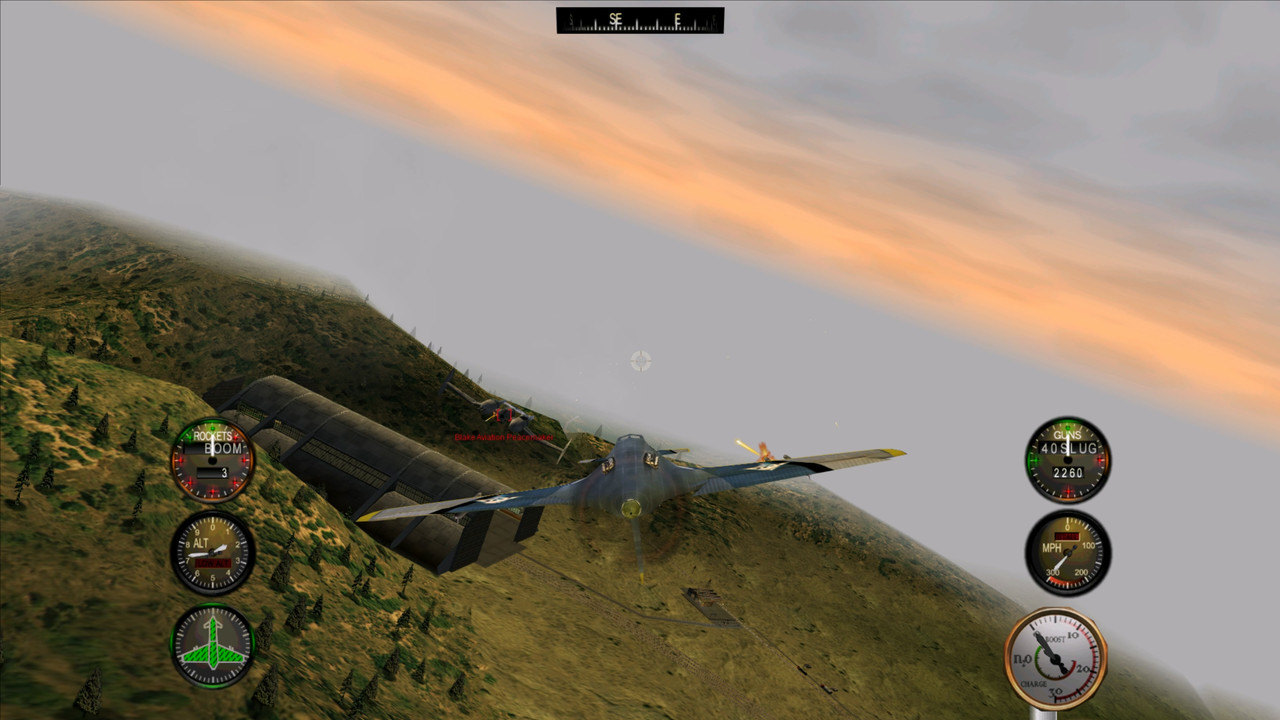
The game runs on the MechWarrior 3 engine, which becomes obvious once you see the picture-in-picture targeting display—it’s actually very useful, showing not just enemy direction but their facing as well. Unfortunately, that’s where the visual praise ends. The lighting is flat, the textures washed out, and the three-year gap between this game and the Xbox sequel feels like a generational leap rather than a few years of progress.
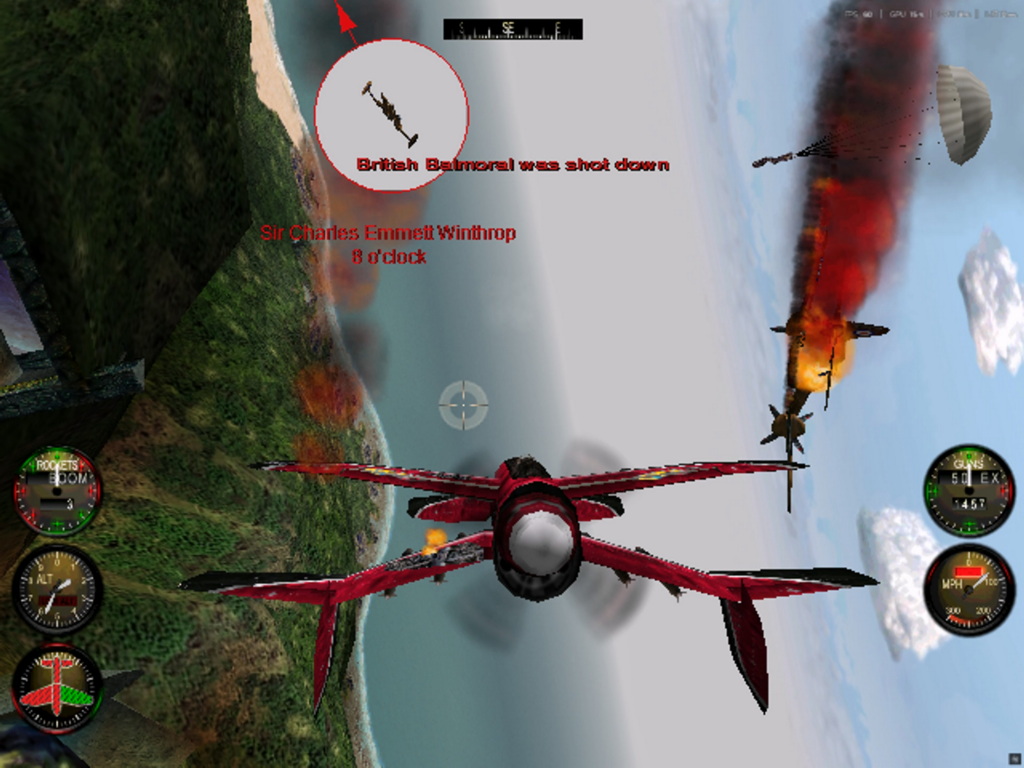
I never managed to get my Xbox One pad working despite multiple guides. To make things worse, I had to limit my framerate with RivaTuner—otherwise the entire game ran at quadruple speed at 240 FPS.
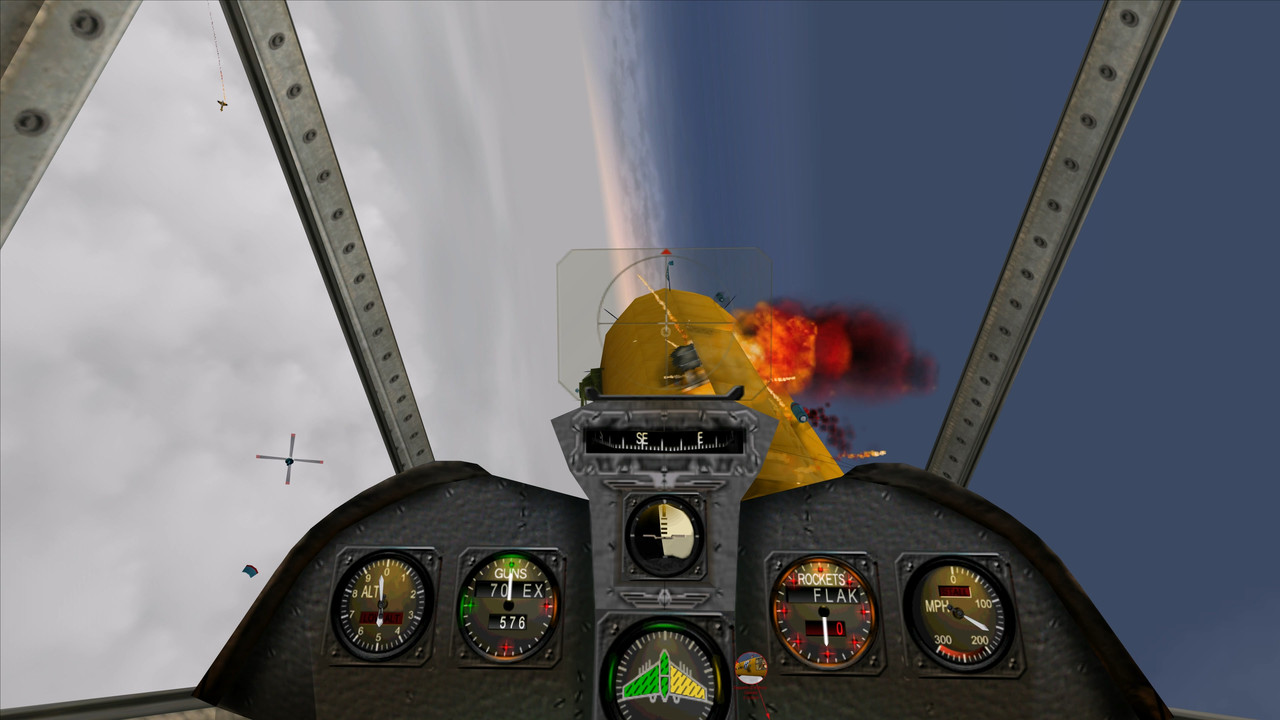
By the third mission, you’re already flying the Balmoral bomber, complete with front and rear turrets and a healthy stock of missiles. You even get a squad of five wingmen (only one of whom you can customize). Unfortunately, more allies also means more chances to get rammed mid-mission.
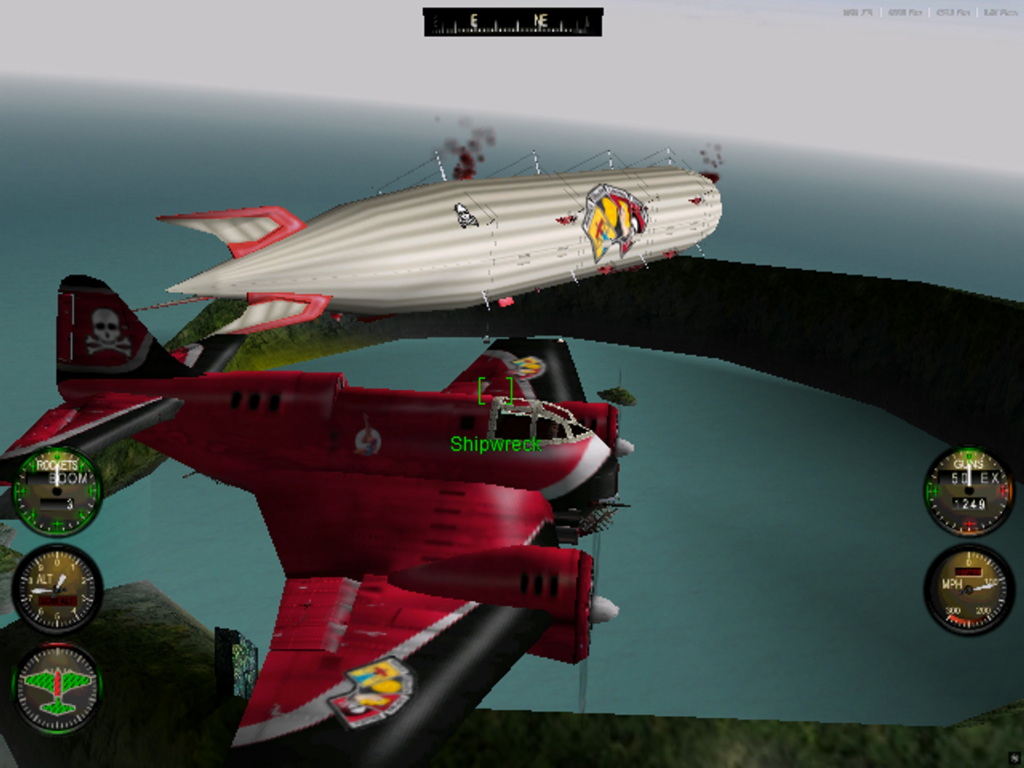
Keyboard-only controls are surprisingly manageable, but the game constantly makes you match speed to pick someone up from a plane, zeppelin, or train—almost every other mission does this, and it’s consistently annoying. Even stranger, you can’t refit an aircraft. Want different guns or armor layout? You have to sell the whole plane and buy a new one.
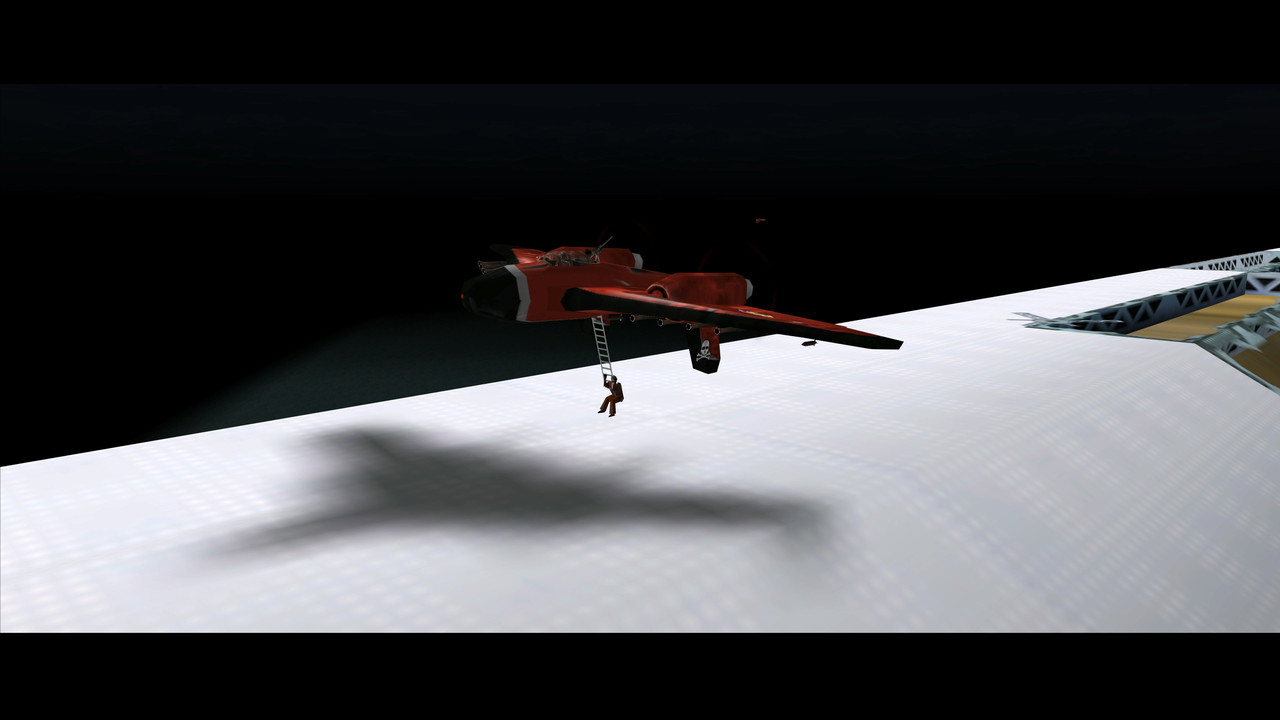
Story-wise, the early missions revolve around hunting Drake’s treasure, followed by rescuing a scientist friend—from Russians first, then from Americans—along with his experimental aircraft.
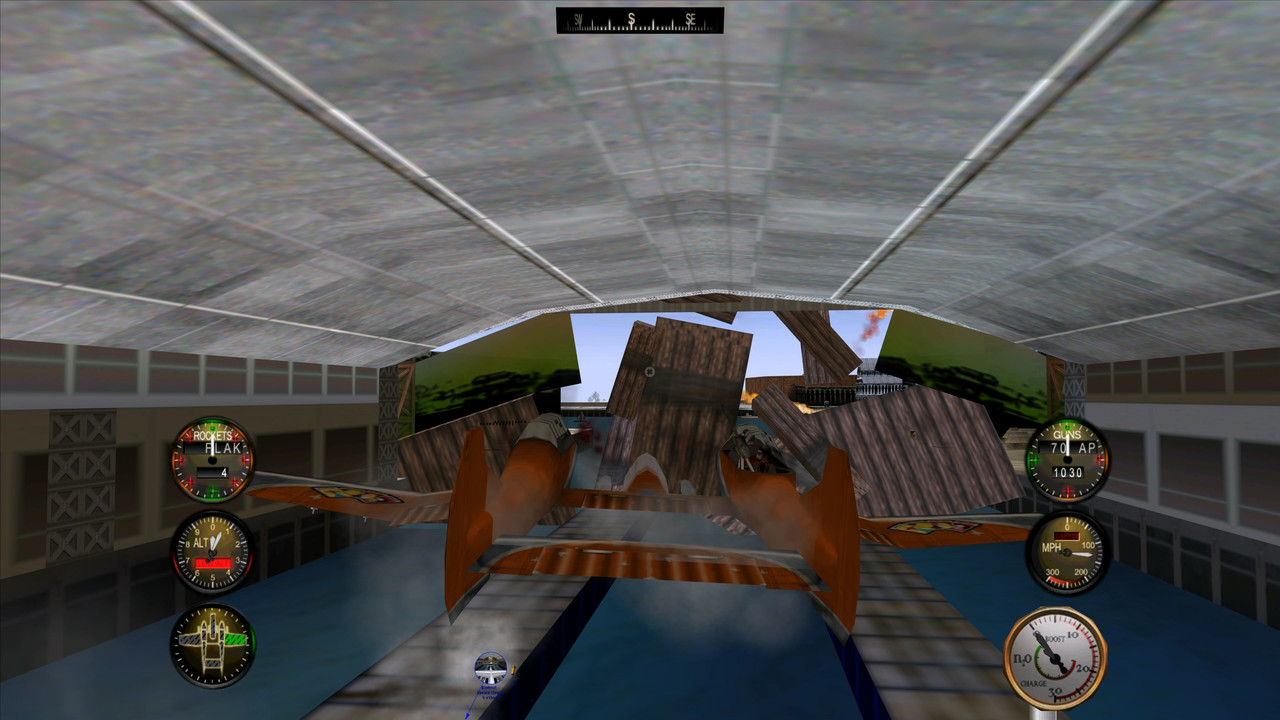
Difficulty spikes become a serious problem around the Hollywood arc. The first mission there has you shooting tiny police cars, then surviving two waves of tougher enemies, then picking up another tiny target without smashing into the ground. Then comes a mission where you must fly into a cramped hangar, blow open doors, and pray debris doesn’t kill you; next, a race through the same hangar. The fun really dipped for me at this point.
The weapon design also feels off. Planes can mount absurd numbers of guns. In MechWarrior, large hardpoint counts let you build firing groups, but here extra guns just mean extra ammo—and since there’s no reason to use anything but the highest-caliber option, most setups feel redundant. Turrets even appear to have infinite ammo. Of the available ammo types, explosive ammo is simply the best with no drawbacks, making everything else pointless.
Torpedoes sound cool on paper—until you try them. They move slower than your plane, only arm after 300 meters, and the game doesn’t give you any kind of distance indicator. I had to switch to the heaviest bomber just to carry enough spares to brute-force the mission.
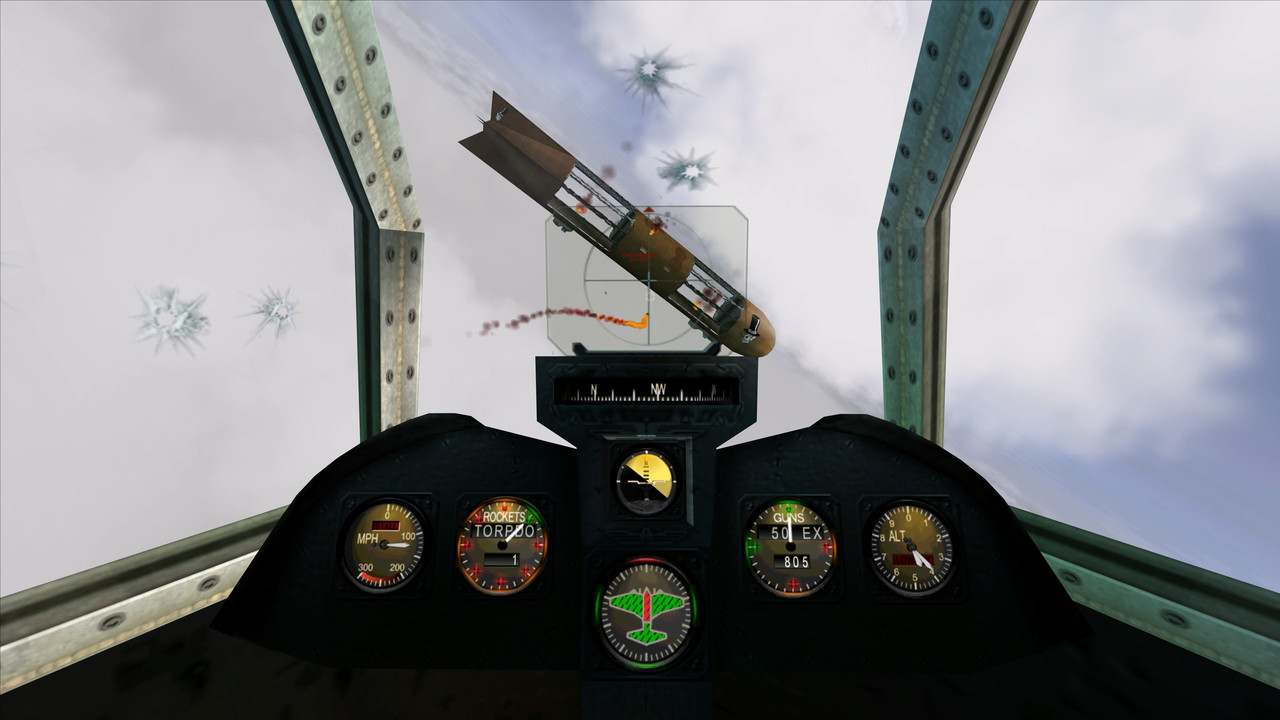
One New York mission had me convinced the game was bugged. You must destroy six tiny beams in a warehouse, and they soak up multiple rockets. Splash damage seems nonexistent. The only way I cleared it was by building a plane specifically for the mission: maximum armor to survive the constant enemy focus, and as many guns as possible to avoid running out of ammo.
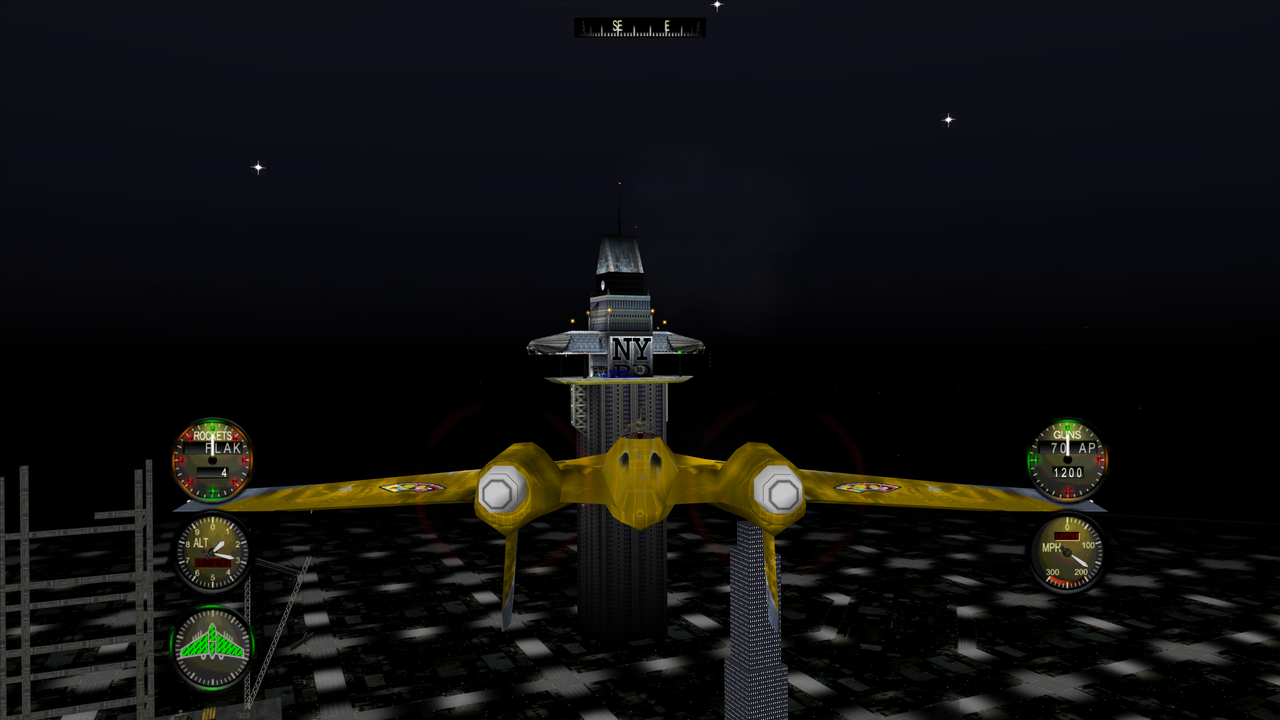
Speaking of bugs, the game sometimes loads critical structures at the wrong coordinates. I discovered halfway through a mission that the New York Police Station—where I had to pick up yet another tiny person—had spawned past the map boundary instead of in Manhattan.
Ironically, the final mission is one of the easiest: plenty of friendly planes, manageable enemies, and a final boss who’s just a regular aircraft.
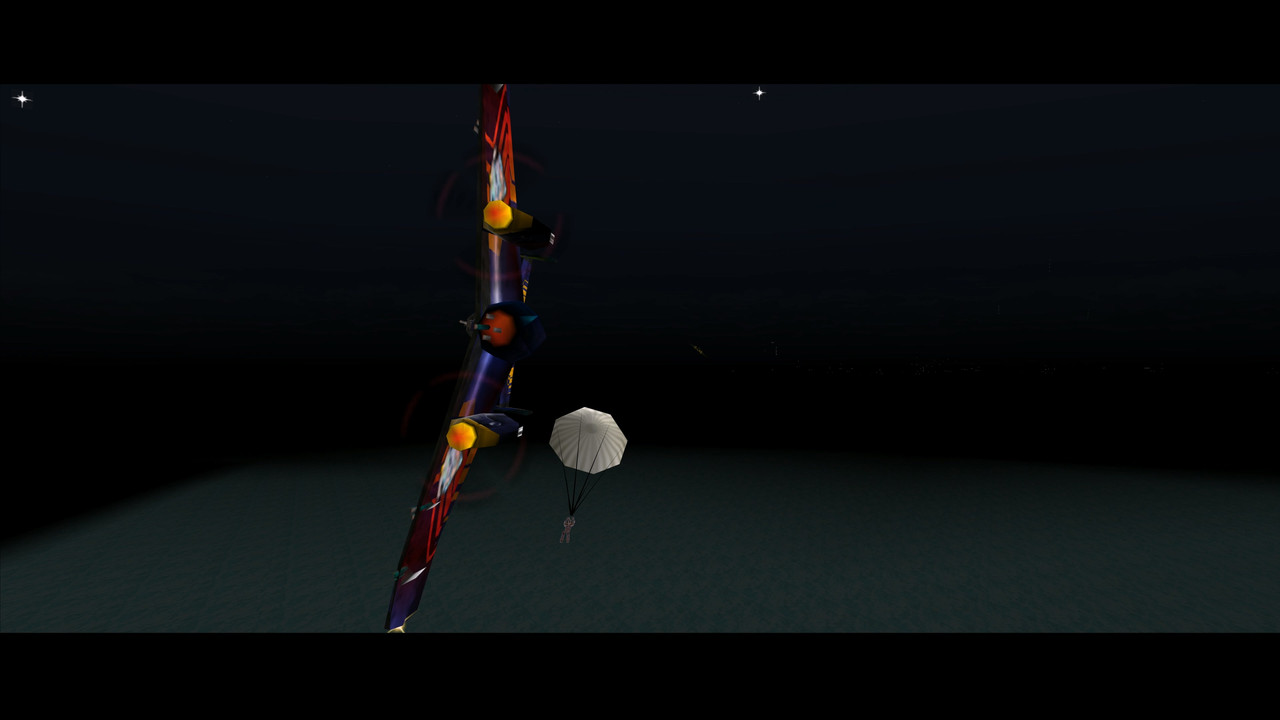
Ultimately, what didn’t work for me—especially compared to High Road to Revenge—is how unpredictable the game’s mechanics can be. In the first half, most of my deaths came from being rammed by supposed allies. In combat, hit detection feels inconsistent: sometimes enemies vaporize me in seconds; other times I take no damage in identical circumstances. And all of this is paired with unforgiving collision detection, frequent narrow-space flying, and missions that give you only one chance to grab a tiny moving objective.
The ambition is clear, and the customization is impressive for its time, but the PC original often feels more frustrating than fun.