


Review Aleosha 2/5 · Nov 8, 2025
I didn’t quite know what to expect from Cold Fear. Maybe something like Resident Evil 3 or Resident Evil 4? In reality, it’s quite distinct from both. Sure, it borrows the over-the-shoulder aiming and laser sight from Resident Evil 4, but its focus on survival mechanics is much lighter. There’s even an upper limit on how much pistol ammo you …
I didn’t quite know what to expect from Cold Fear. Maybe something like Resident Evil 3 or Resident Evil 4? In reality, it’s quite distinct from both. Sure, it borrows the over-the-shoulder aiming and laser sight from Resident Evil 4, but its focus on survival mechanics is much lighter. There’s even an upper limit on how much pistol ammo you can carry — a curious choice for a supposed survival horror game.
Technologically, though, Cold Fear is surprisingly ambitious for its time. Dynamic shadows, water physics, your character shifting balance with the ship’s sway, raindrops hitting the camera lens, and waves crashing across the deck all contribute to an atmospheric, cinematic experience. Environmental hazards make the setting feel alive too — early on, a swinging cargo container acts like a pendulum, and stepping into its path means instant death.
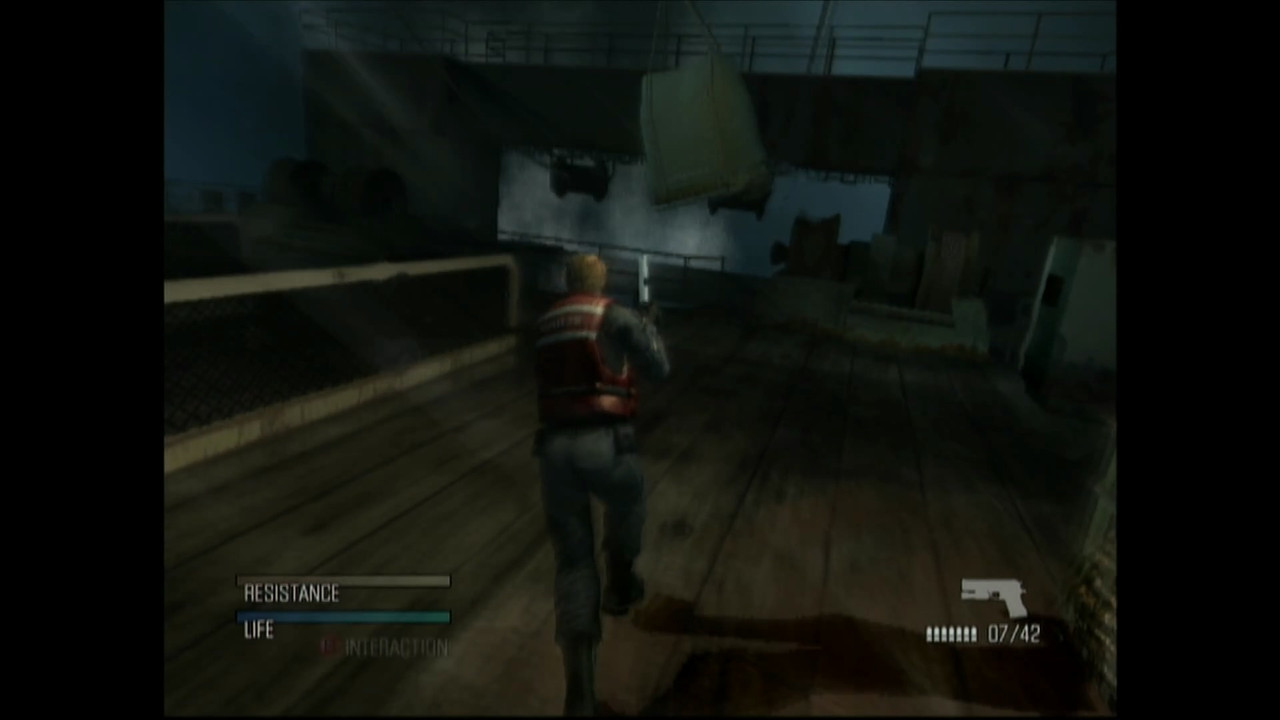
The save system mixes checkpoints and manual saves. At certain points, the game asks if you want to save, and the only reason not to would be if you were low on health. Enemies drop both health and ammo, so the game feels much more action-oriented than tense or resource-driven. I often found myself looting enemies mid-fight just to stay topped up.
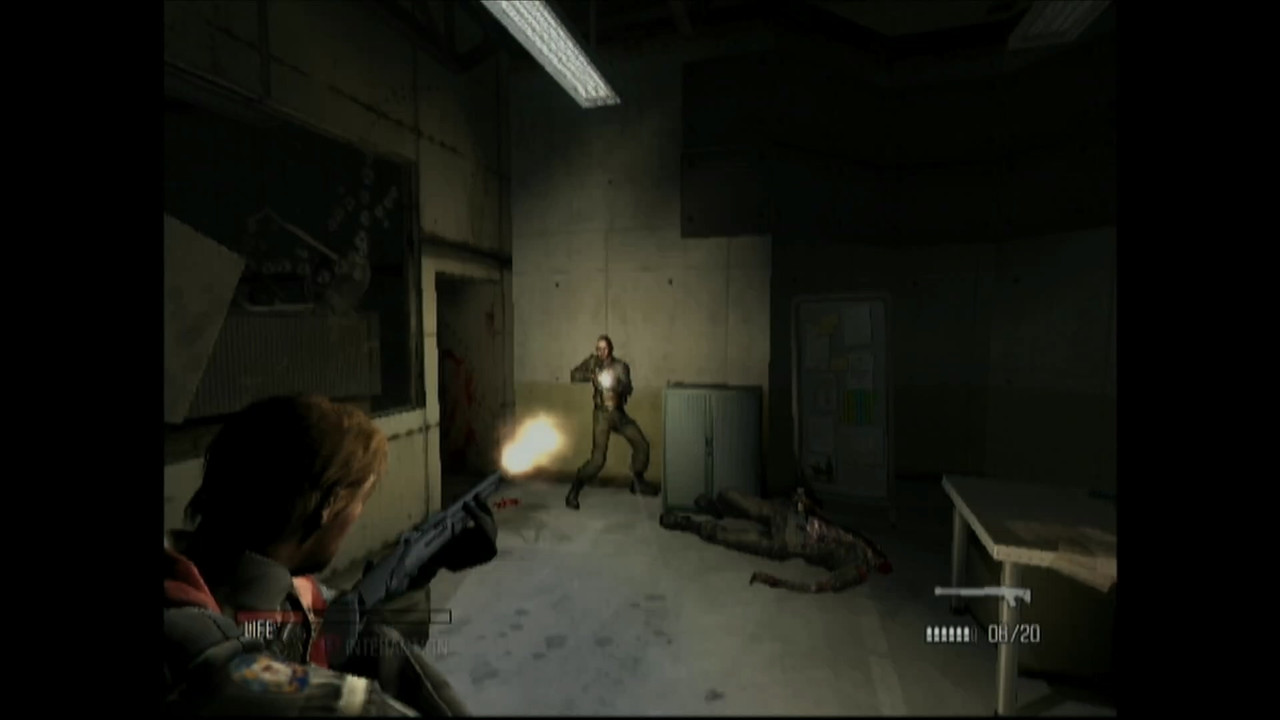
Speaking of enemies: zombies only stay dead after a headshot. Even then, their parasites can eject from the body — and these are often deadlier than the hosts themselves. Landing consistent headshots on a rocking ship with a controller is a challenge in itself; in hindsight, maybe I should’ve played the PC version instead.
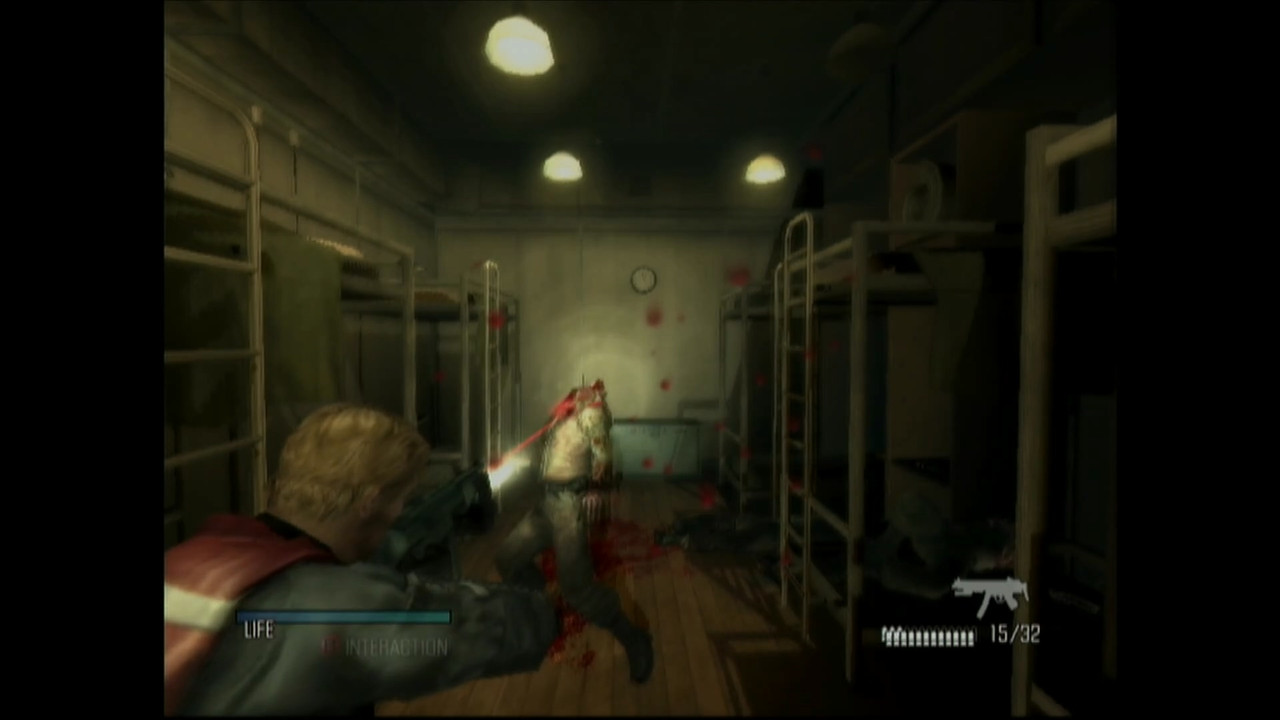
Story-wise, it’s basically The Thing at sea. A cartel reopens an abandoned Russian oil rig with help from ex-Soviet soldiers and researchers. But instead of oil, they discover parasitic organisms called Exocels that can infect humans, dogs, and even orcas. Naturally, someone decides to turn them into bioweapons — and that’s where you, Tom Hansen, step in.
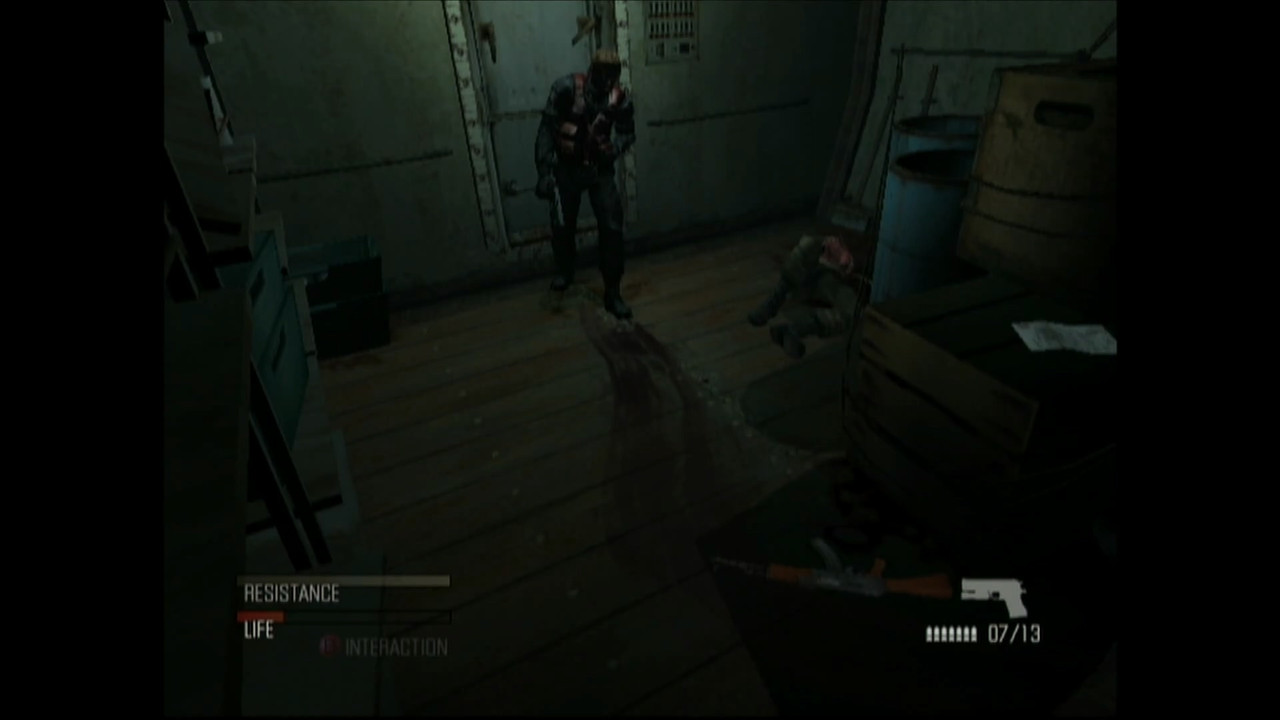
Once the story picks up, you end up deliberately crashing the whaling ship into the oil platform it came from. You lose all your weapons and get infected, but both problems are conveniently resolved within ten minutes. It feels like an underdeveloped story beat — as if the game wanted to add drama but didn’t know what to do with it.
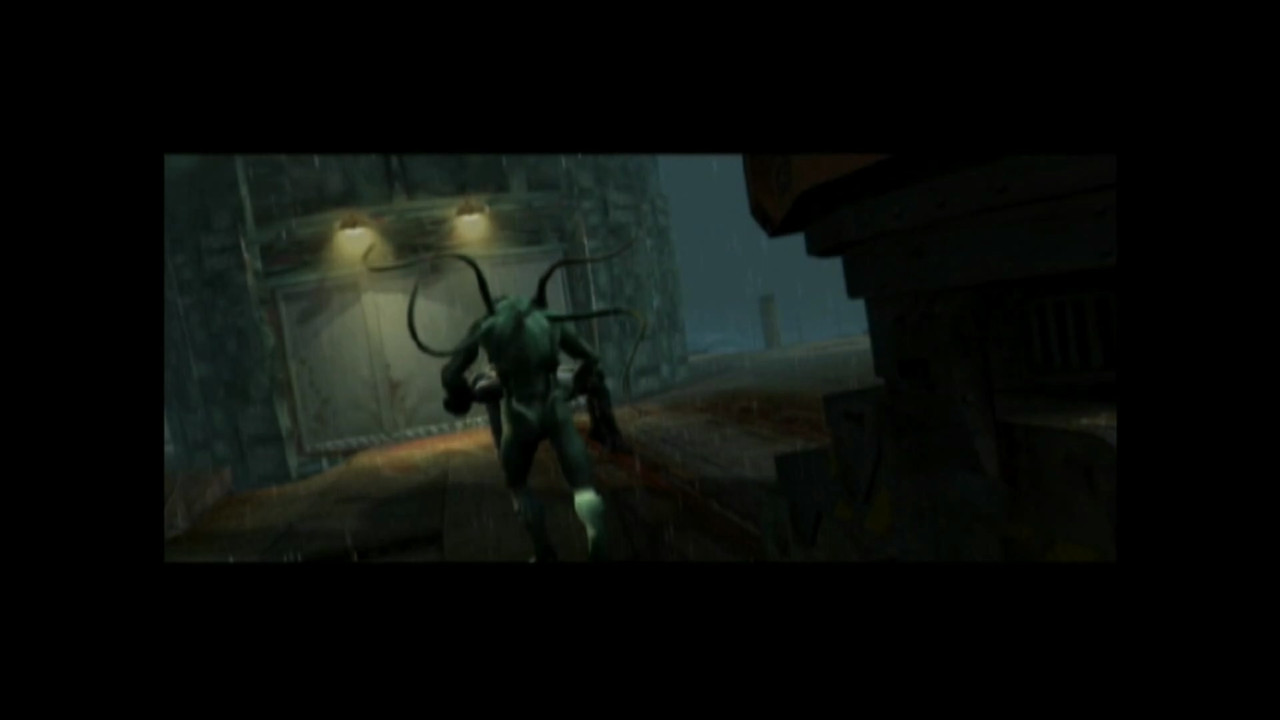
On the platform, you finally encounter your first (and only) boss: a Russian antagonist who goes down after a few volleys of gunfire. Hansen then casually gouges out his eye to use for a retinal scanner — a brief moment of dark humor that stands out more than most of the plot.
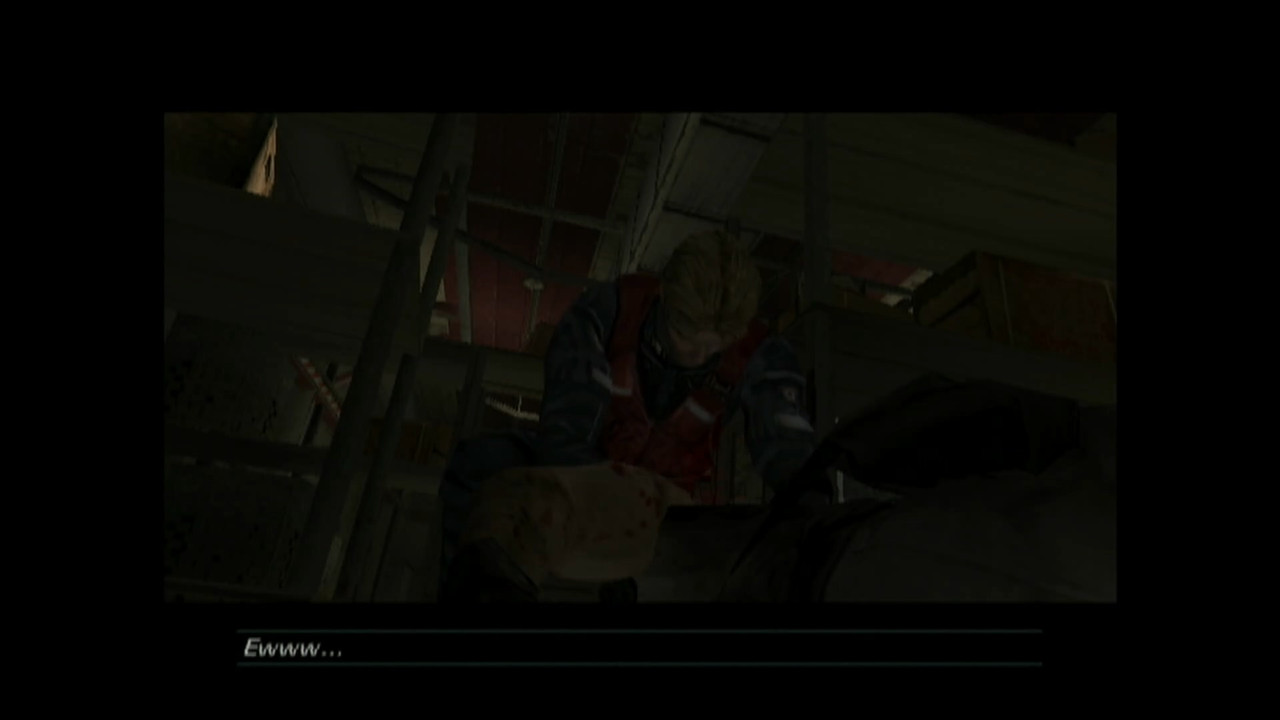
New weapons appear later: an MP5 (despite already having the AK), an M79 grenade launcher, and a flamethrower that’s disappointingly weak. Alongside them come tougher enemies — bulky hunter-like mutants that absorb far too many shotgun blasts, and frog-like invisible enemies that test your patience more than your aim. Hansen gets reinfected yet again, and Anna — your ally — is first rescued, then infected by her mutated father, evoking heavy Resident Evil 2 vibes with Birkin.
The worst section is the C4 episode: after clearing two rooms, you fight an invisible enemy in a room full of explosive barrels. One misplaced bullet, and the entire segment resets. And if you think about escaping, laser mines block your way — you can dodge them, but the enemy can’t, which usually ends in chaos.
The final boss fight is equally frustrating. While Anna plants explosives, you must distract her monstrous father. If he catches her — game over. If he knocks you off the platform — game over. If he stomps on you — also game over. Survive that, and phase two just asks you to endure long enough to trigger a few QTE counters. It’s clunky, repetitive, and unsatisfying.
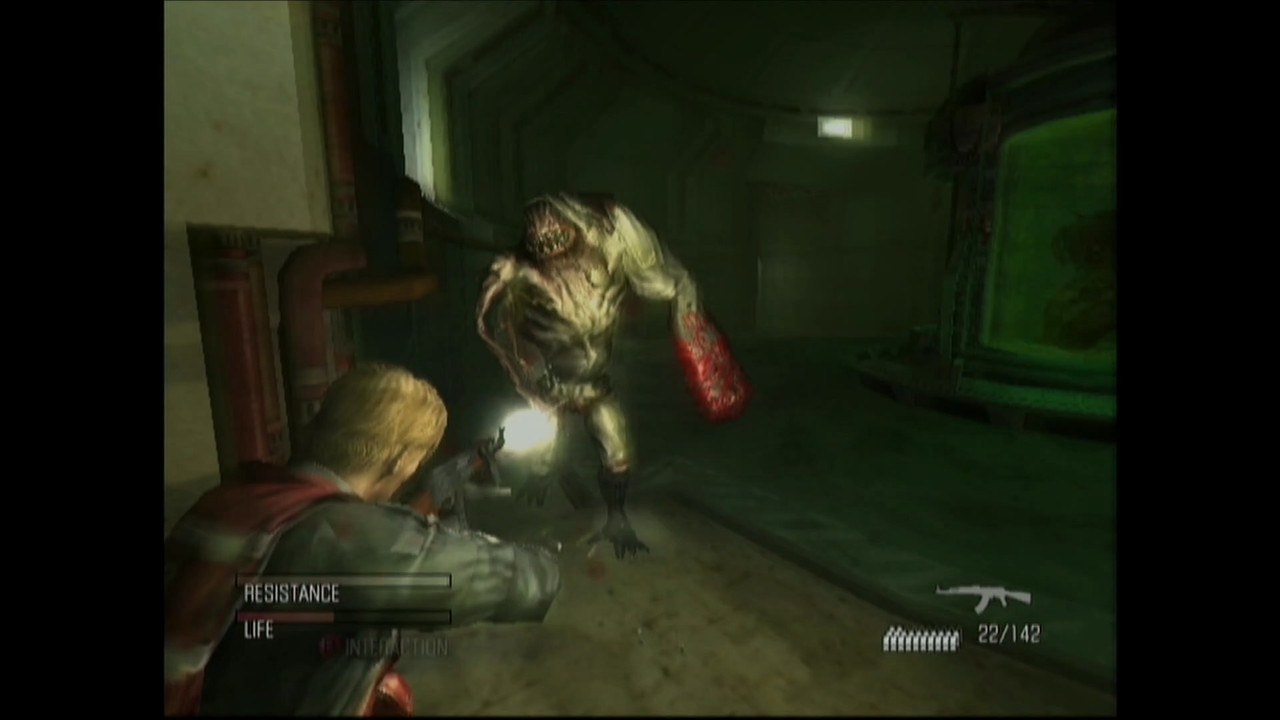
I kept expecting a twist involving the CIA agent guiding you over the radio, but there isn’t one. You blow up the platform, and the game just… ends.
Unfortunately, two core issues drag Cold Fear down. First, navigation is unintuitive. While Resident Evil encourages learning its interconnected environments, Cold Fear constantly locks off areas behind you, forcing you to relearn new routes. Say what you will about Resident Evil’s key puzzles — at least you know which door is which. Here, it’s all too easy to get lost. Second, the game simply lacks inspiration. The weapon roster is generic, the enemy variety thin, and the pacing inconsistent. It’s as if the developers had a great tech demo and built a game around it — without ever deciding what kind of experience they wanted to deliver.

Cold Fear deserves credit for its atmosphere and technical ambition. The storm-tossed ship setting remains its strongest asset — a moody, immersive backdrop that feels alive and unpredictable. But clunky navigation, uninspired combat, and an underwhelming story keep it from greatness.
A fascinating relic of mid-2000s survival horror — worth trying once, but easy to forget.


