


Review Aleosha 4/5 · Jul 9, 2026
I went into Drifter expecting a story set in the 1920s, but it's actually set in 1999. The premise reminded me most of Condemned: Mick was a runaway as a child, later divorced after losing his son, and returns to his hometown for his mother's funeral. Once there, he discovers homeless people are mysteriously going insane, a mysterious special forces …
I went into Drifter expecting a story set in the 1920s, but it's actually set in 1999. The premise reminded me most of Condemned: Mick was a runaway as a child, later divorced after losing his son, and returns to his hometown for his mother's funeral. Once there, he discovers homeless people are mysteriously going insane, a mysterious special forces unit is executing them, the police are hunting a serial killer—and, naturally, Mick ends up framed for the murders.
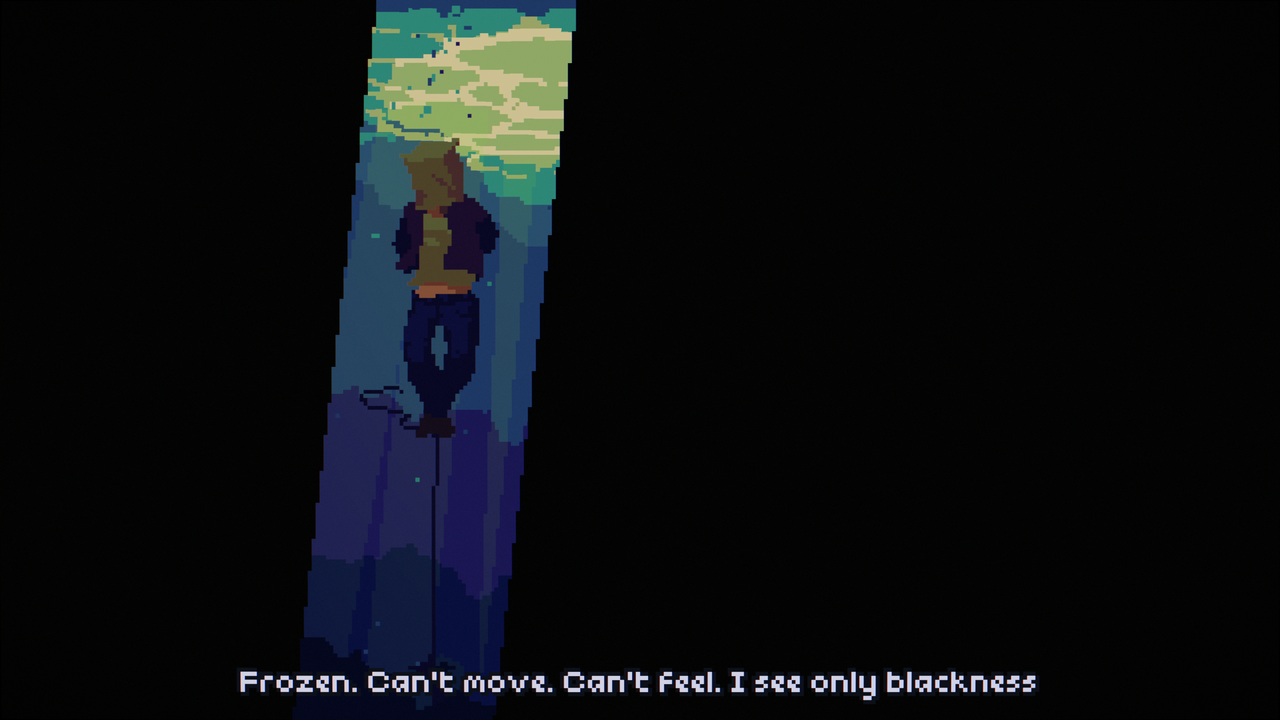
One of the game's more interesting mechanics is the "thought inventory." Alongside a traditional inventory, Mick collects thoughts represented by pictograms, which function as both the quest log and dialogue options. It's a clever system that fits the game's investigative focus.

Narratively, it has a lot in common with Ghost Trick. Whenever Mick dies, he rewinds time and gets another chance to change events. By the end, however, the game feels much closer to Zero Escape, with death serving as a way for consciousness to travel back through time. The game is also well-paced: it's long enough to fully explore its ideas without overstaying its welcome or letting its mechanics become repetitive.
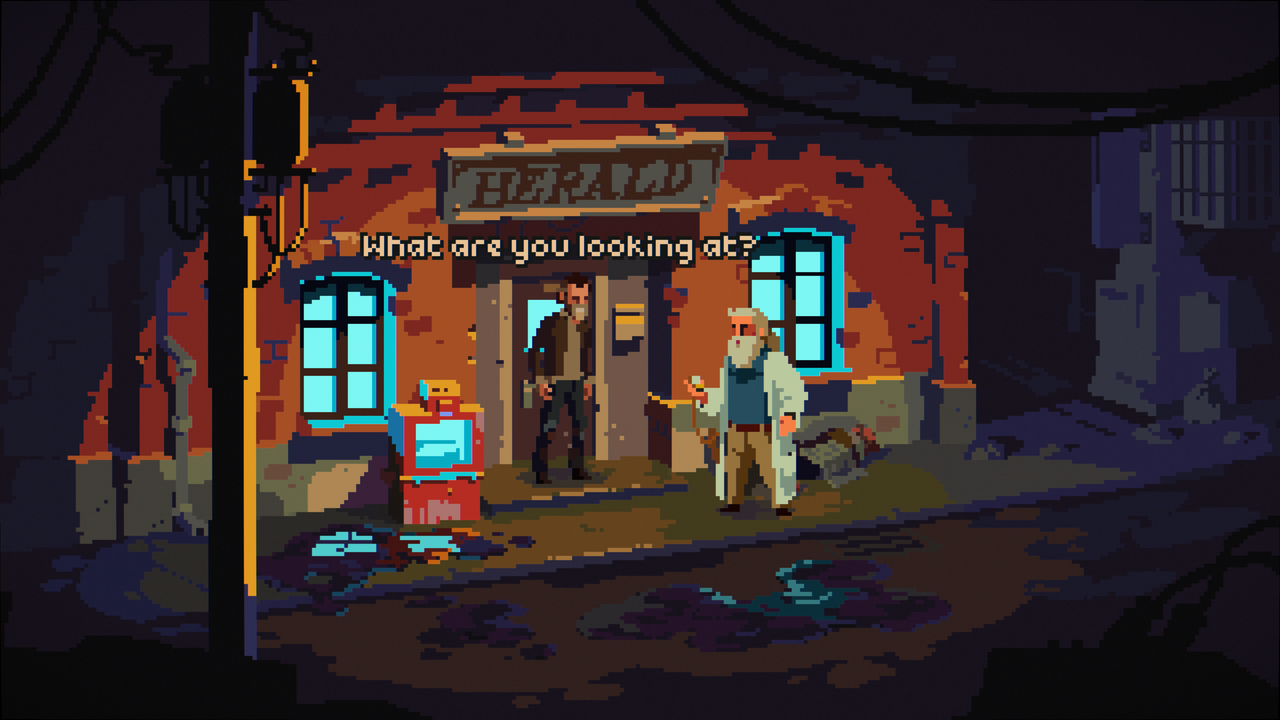
Thematically, Drifter throws everything into the mix—government conspiracies, ghosts, monsters, and time travel. Surprisingly, it manages to tie most of these elements together reasonably well.
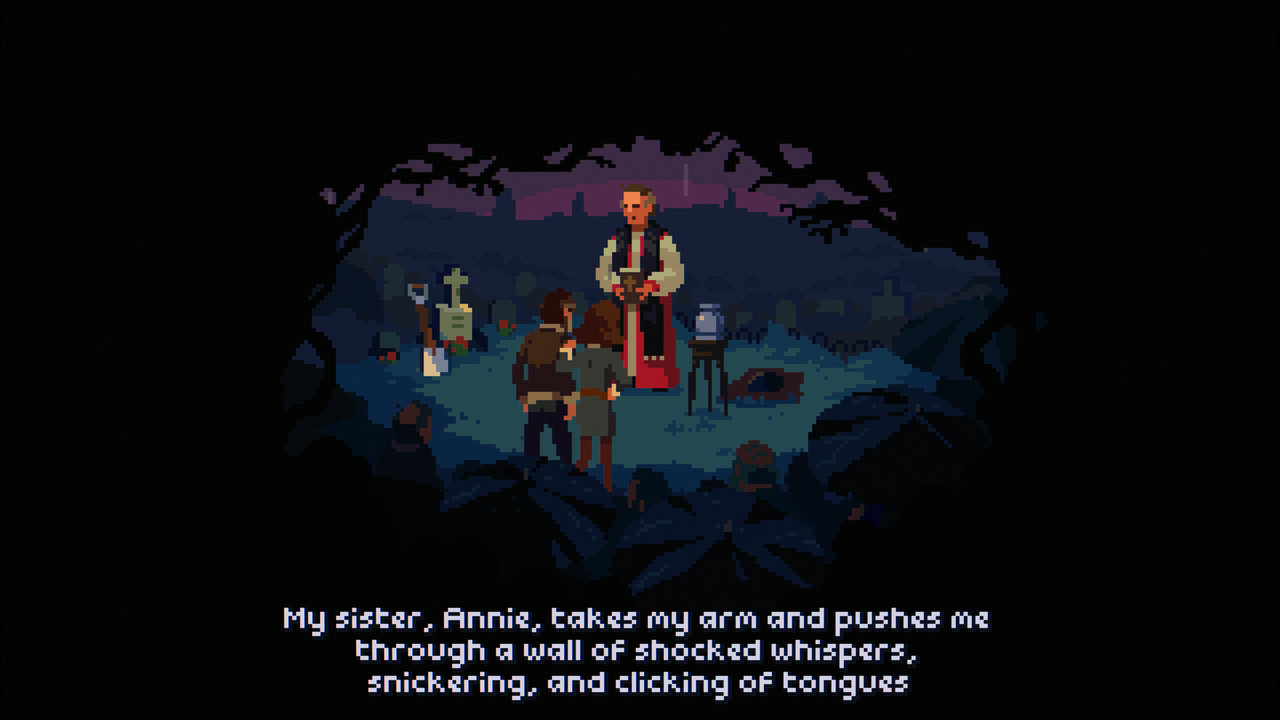
That said, a few plot points fall apart in hindsight.


