

Review Aleosha 3/5 · Dec 24, 2025
Technically speaking, Airforce Delta is such a blatant Ace Combat clone that it’s almost impressive it exists at all. The setup is familiar to the point of parody: an aerial border conflict between two fictional nations, briefing scenes styled almost identically, similar musical cues, and even a targeting reticle that changes once you’re in machine-gun range.
Visually, it lands exactly …
Technically speaking, Airforce Delta is such a blatant Ace Combat clone that it’s almost impressive it exists at all. The setup is familiar to the point of parody: an aerial border conflict between two fictional nations, briefing scenes styled almost identically, similar musical cues, and even a targeting reticle that changes once you’re in machine-gun range.
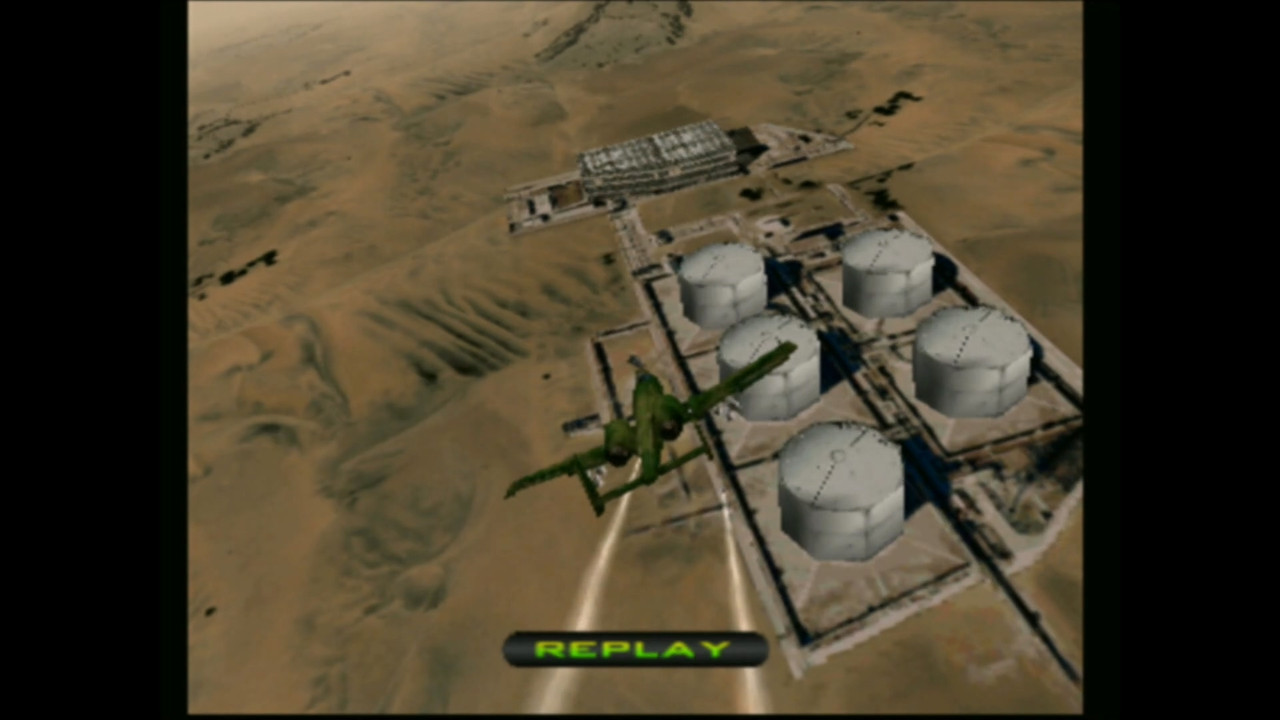
Visually, it lands exactly where you’d expect for the Dreamcast era. It’s nowhere near as sleek as Ace Combat 4 on PS2, but it’s clearly more detailed than Ace Combat 3 on the PSX. One standout example is the transparent cockpit canopy—something the original PlayStation simply couldn’t have handled.
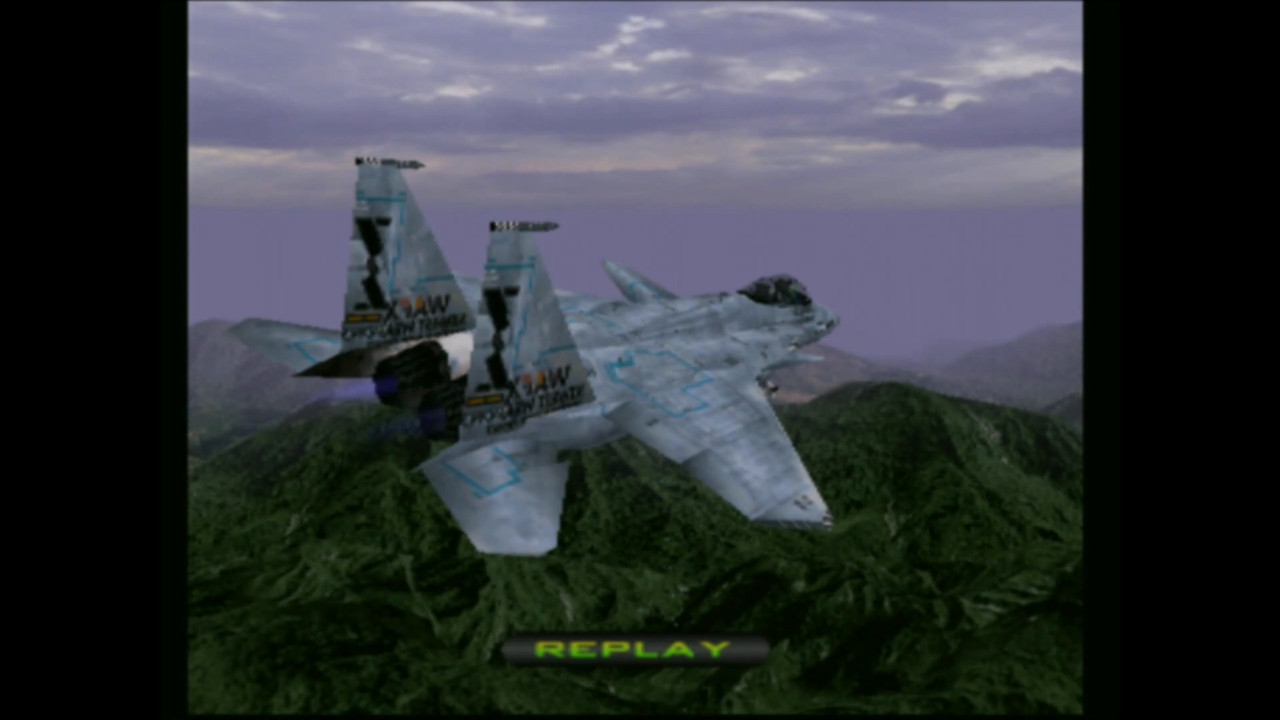
The game borrows another system straight from Ace Combat 2: if you lose a plane, you have to buy it again. This mechanic feels largely pointless, though, since you can always just reload your save. Like its inspiration, you’re allowed to carry a comically large number of missiles. They track targets far better than in Ace Combat, which is both a blessing and a curse—missiles are also much harder to evade. One odd flaw is the lack of clear feedback when you’re hit; there’s almost no visual indication that you’ve taken damage.
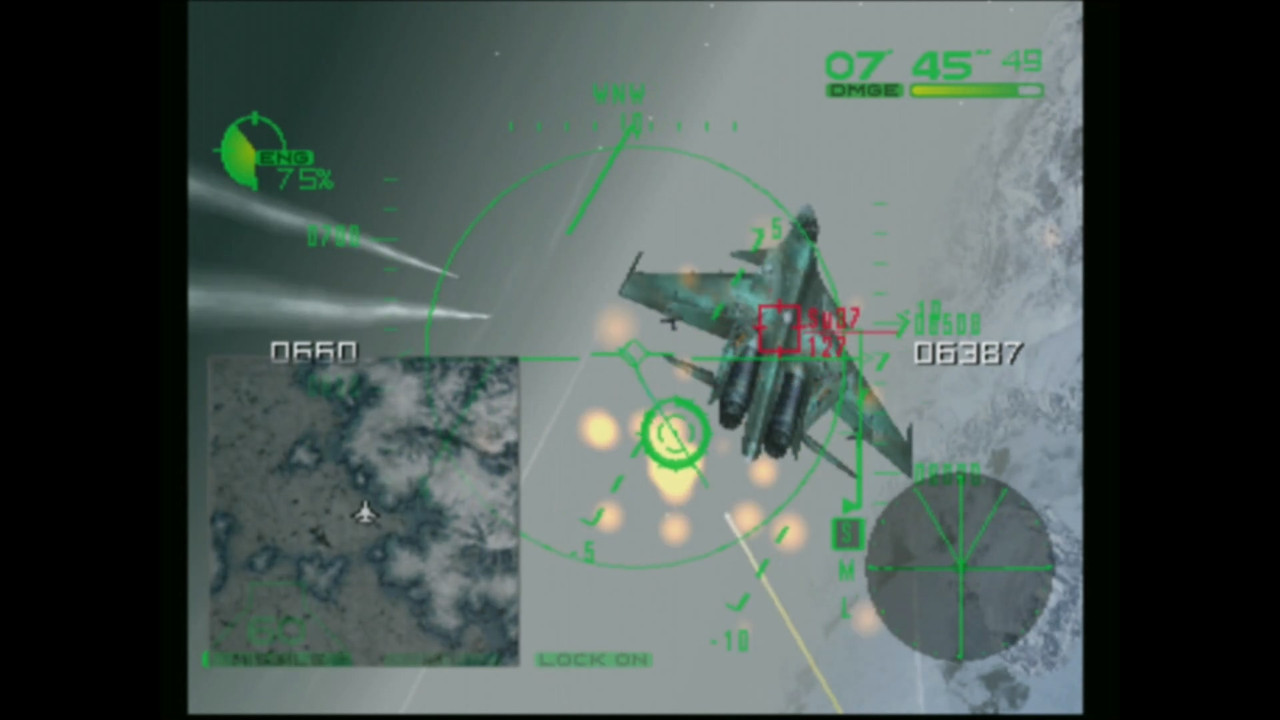
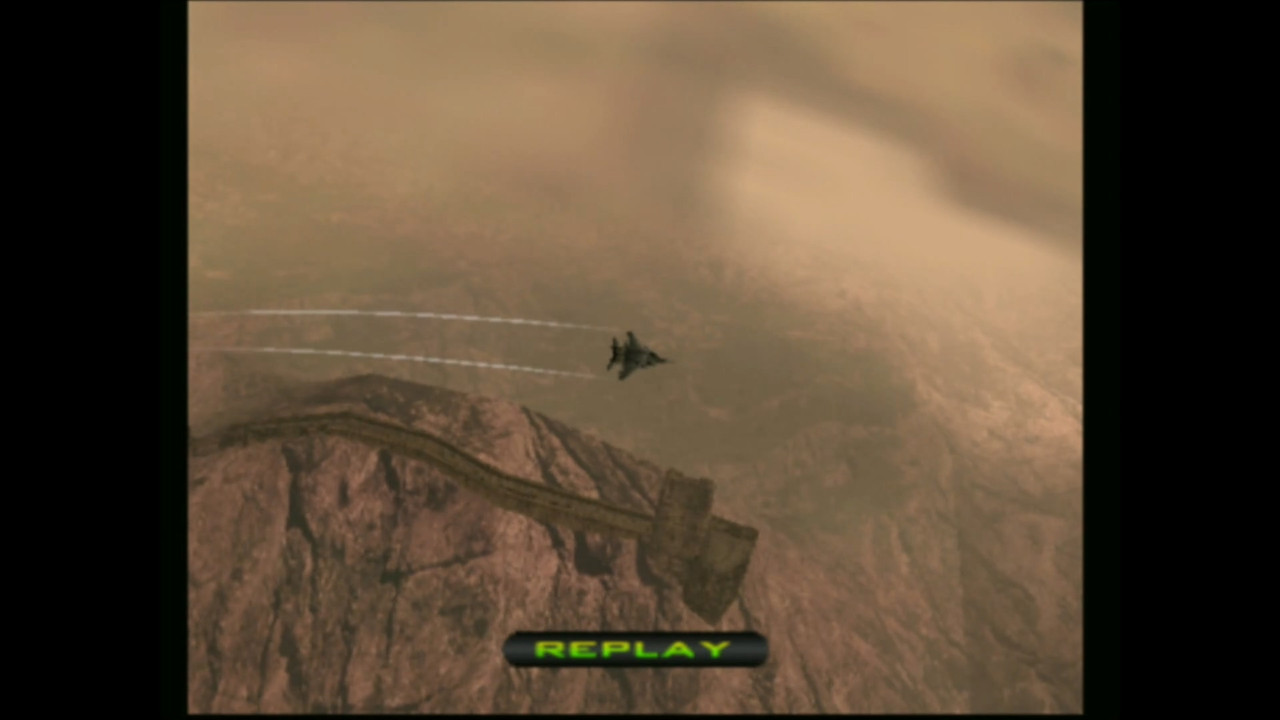
Naturally, there’s a ravine flight mission. What kind of Ace Combat clone would dare omit one? I also managed to repeat the same mistake I once made in Ace Combat 2: playing several missions on Novice controls before finally realizing why everything felt off.
The controls themselves are a weak point. The Dreamcast’s lack of shoulder buttons hurts here, and the layout isn’t as comfortable or precise as Ace Combat’s. Worse, the controls can’t be remapped. One genuinely nice addition, however, is the ability to see your attack route on the map, which helps with situational awareness.
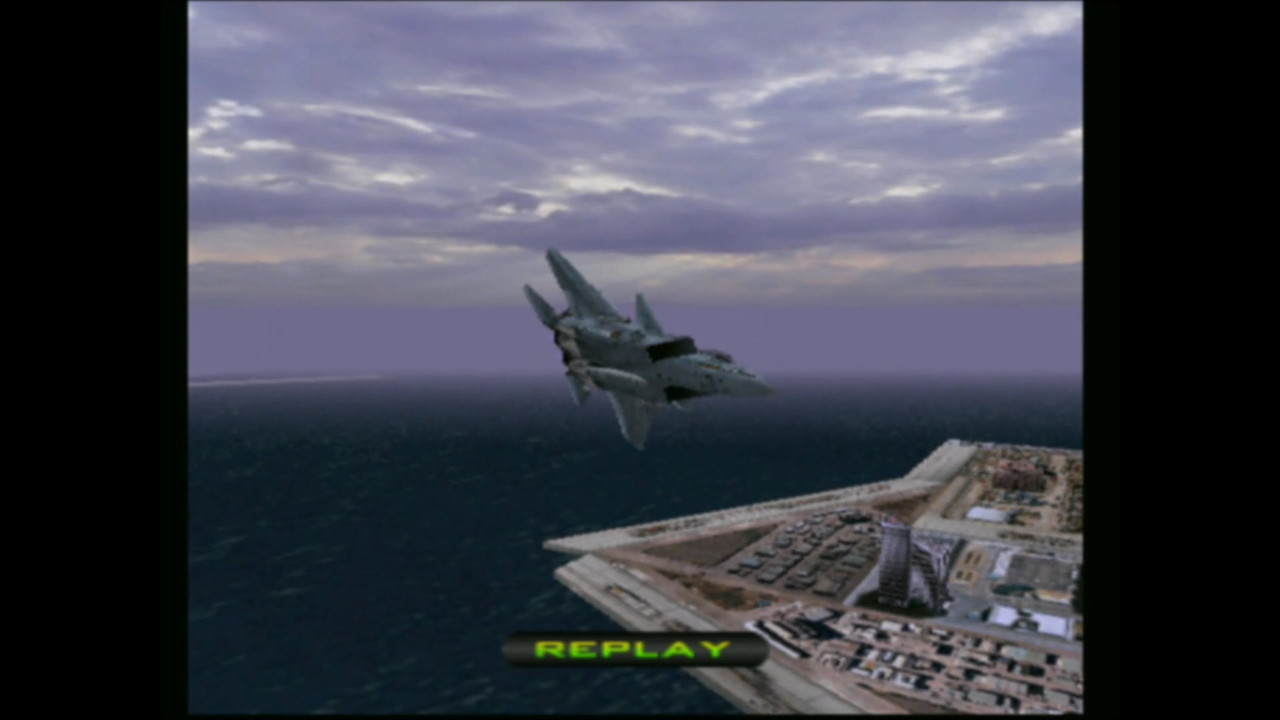
Some missions do stand out positively. The train interception mission is genuinely impressive. Ace Combat 3 featured a train before, but here you’re intercepting multiple trains approaching from different directions, which adds real tension. While the planes and environments look great for Dreamcast hardware, the effects lag behind—explosions feel like they’re animated with only a handful of frames, and destroyed objects often just vanish instantly.
Mission 12 is particularly brutal, tasking you with taking down a flying fortress straight out of Ace Combat 1 alongside an entire enemy base. But Mission 14 is where the game nearly broke me. It’s a “shoot the crashing satellite” scenario, except you’re also being harassed by enemy fighters and racing against an extremely tight time limit. The game does a poor job of communicating what it actually wants you to do, and I seriously considered dropping it altogether.
Later, there’s a corridor run through a mountain tunnel—because of course there is—but this time you’re also fighting an enemy ace mid-run. Then comes a submarine hunt in the Arctic, further cementing the feeling that someone was very carefully copying Ace Combat 2’s homework.
The penultimate mission is an exhausting endurance test. There are so many targets that even near-perfect play almost drains your entire missile supply, combined with constant chip damage from endless enemies and, just to be cruel, a time limit on top of it all. To make matters worse, I don’t know if it’s an issue with my console, but about half the time I died on this mission, the game hard-locked and forced a system reset.
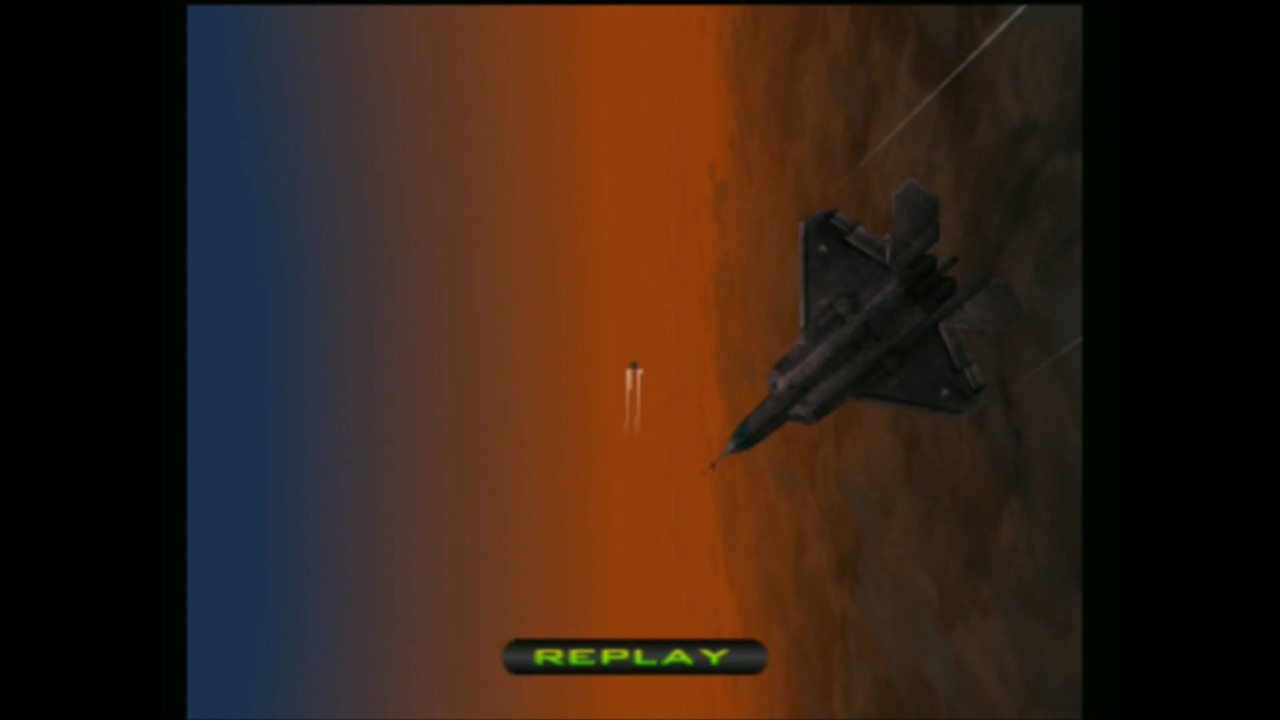
Oddly enough, I actually liked the final mission. It’s nothing flashy—just a straight duel against a fictional superplane—but unlike Ace Combat 3 or Ace Combat Zero, it doesn’t rely on gimmicks like machine-gun-only weak points. The enemy is frustratingly maneuverable, sure, but that’s all there is to it, and that simplicity ends up working in its favor.

