Review Krauzer 5/5 · Apr 9, 2026
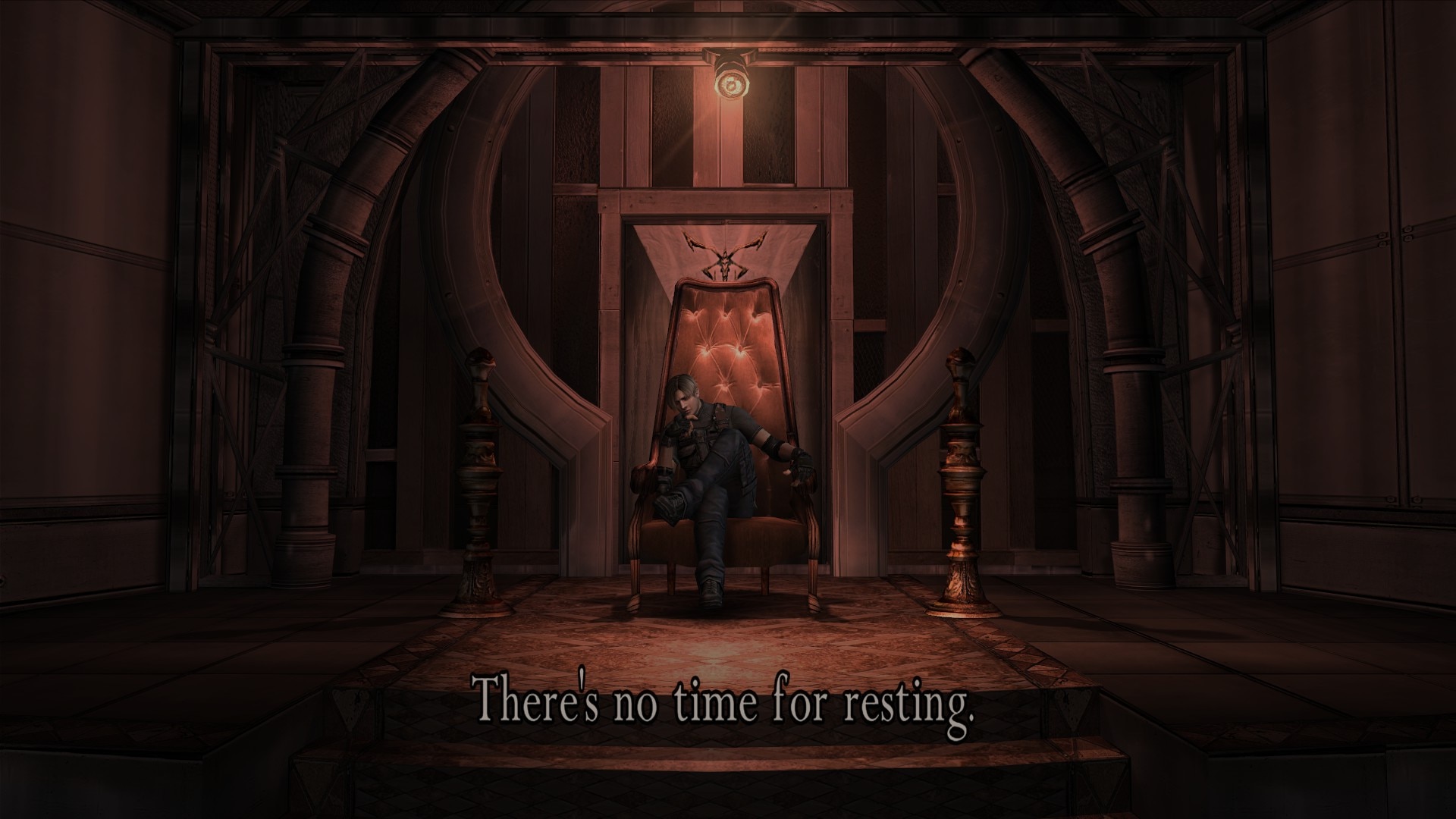
The PC release of the original RE4 is a carefully updated version of the 2005 one, designed to bring the game in line with modern hardware without fundamentally altering what made it special. Rather than a remake, it’s a technical upgrade that preserves the identity of the original while smoothing out many of the rough edges that plagued earlier PC …
The PC release of the original RE4 is a carefully updated version of the 2005 one, designed to bring the game in line with modern hardware without fundamentally altering what made it special. Rather than a remake, it’s a technical upgrade that preserves the identity of the original while smoothing out many of the rough edges that plagued earlier PC ports. As a result, it stands as one of the most accessible and complete ways to experience this landmark title today. About the only complaint that I can think of is the controller scheme, which uses the Xbox 360 pattern, instead of the PlayStation 2 one, and this is a me problem since I grew up playing this version instead. It took me quite a while to get used to it, but I figure this is not a major issue for most people.
At its core, it remains a masterclass in game design, the blend of action and horror is expertly balanced, with each encounter crafted to maintain tension while encouraging strategic use of positioning, crowd control, and resource management. I can't stress enough how this game has one of the best, if not the best, pacing of all gaming history, this is one of the reasons why it has an insane level of replay value. And I'm not kidding when I say that I replayed this game more than 10 times in a row when I first tried it. The over-the-shoulder camera, which was revolutionary at the time, still feels surprisingly effective, giving you a strong sense of immersion and control. Even thought today's standards for this mechanic have matured, this first implementation still feels very modern.
Enemy encounters are dynamic and often unpredictable, forcing quick decision-making and rewarding precision rather than brute force. The 2014 version significantly improves the experience on a technical level. The addition of high-definition textures, better lighting, and support for 60 frames per second makes gameplay feel much smoother and more responsive. Though I admit that I played this at 30 fps more often than not, solely due to nostalgia from playing the more limited original version. While the visual upgrade isn’t transformative, it’s enough to make the environments and character models look cleaner and more defined. Importantly, this version fixes many of the issues from earlier PC releases, such as poor controls and limited graphical options, making it far more enjoyable to play with mouse and keyboard.
Another strong point is the amount of content included. This version comes bundled with all previously released extras, such as the “Separate Ways” campaign and “The Mercenaries” mode, both of which add meaningful replay value. These additions expand on the main story and provide additional challenges that keep the gameplay loop engaging even after completing the campaign. Combined with the game’s natural replayability, driven by upgrades and performance-based rewards, there is a substantial amount of content to explore.
That said, the game does show its age in certain aspects. Some textures and pre-rendered cutscenes don’t match the improved in-game visuals, creating occasional inconsistencies in presentation. The control scheme, while improved, can still feel stiff compared to modern third-person shooters, especially due to the inability to move while aiming. For new players accustomed to more fluid mechanics, this may take some time to adjust to.
Despite these limitations, the overall experience remains incredibly strong. The pacing is one of the game’s greatest strengths, constantly introducing new mechanics, enemies, and scenarios to keep the player engaged from start to finish. Memorable set pieces, distinct environments, and iconic characters contribute to a sense of progression that rarely feels repetitive. The game’s tone also strikes a unique balance, mixing horror with moments of camp and action in a way that has become one of its defining traits.
In the end, the 2014 PC version of Resident Evil 4 succeeds by respecting the original while making it more accessible to a modern audience. It may not offer the visual overhaul of a remake, but it doesn’t need to—the underlying design is strong enough to carry the experience even years later. For both newcomers and returning players, it remains an essential title that continues to influence the action genre to this day.