


Review Aleosha 4/5 · Dec 12, 2025
As a kid, I played a lot of Age of Empires, but despite being impressed by the visuals, I never spent enough time with Age of Empires II to really understand how it worked. Now, returning to it through the Definitive Edition, I find myself thoroughly humbled—especially by the revamped tutorial.
I vaguely remember the original Celt tutorial and the …
As a kid, I played a lot of Age of Empires, but despite being impressed by the visuals, I never spent enough time with Age of Empires II to really understand how it worked. Now, returning to it through the Definitive Edition, I find myself thoroughly humbled—especially by the revamped tutorial.
I vaguely remember the original Celt tutorial and the Joan of Arc campaign, and those felt manageable. What I didn’t expect was the sheer amount of content in Definitive Edition. There are over 25 campaigns, which is honestly absurd. I’ve decided to stick to the original Age of Kings campaigns for now, and even that feels like a commitment.
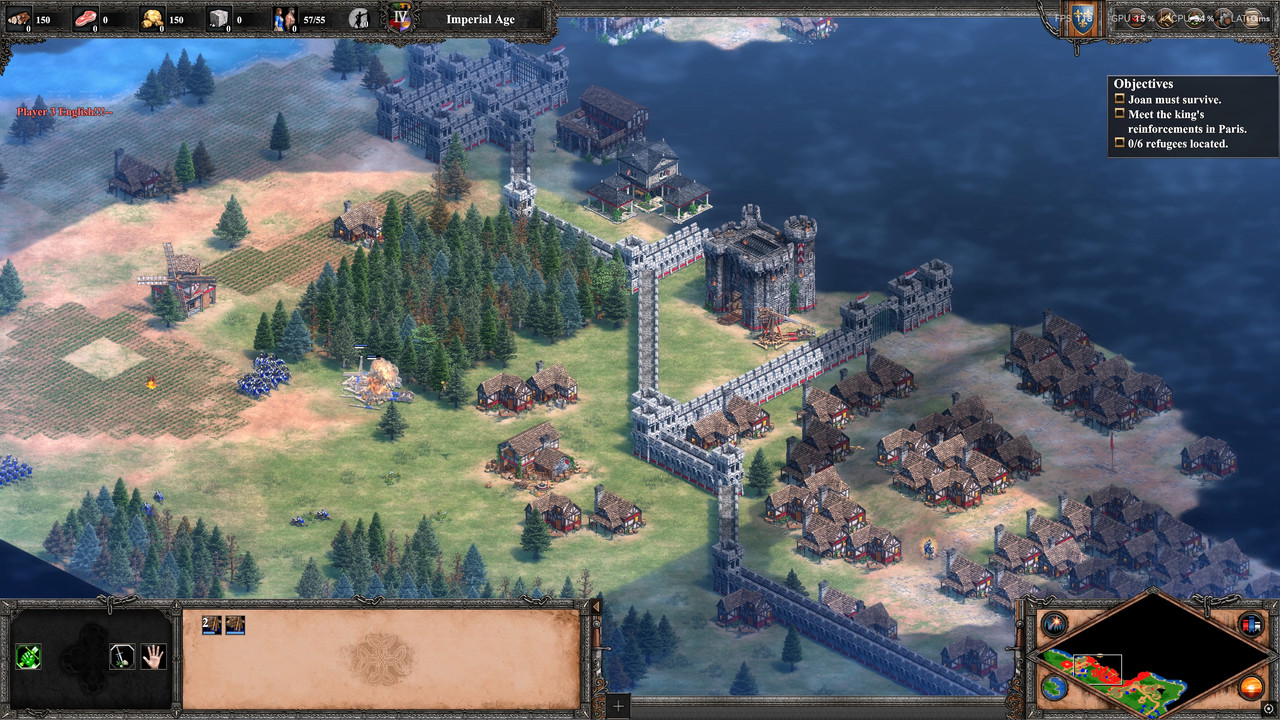
The French (Joan of Arc) campaign does some interesting things. One mission asks you to destroy three castles, but there are actually four on the map. You can choose the order—and even which one to ignore—which adds some welcome flexibility. Unfortunately, the objective itself gets repetitive. Since trebuchets are disabled, the only real option is to mass battering rams, which quickly becomes tedious. It also took me a while to realize that scorpions aren’t really siege units at all—they’re more like support weapons.
Once trebuchets finally become available, though, the balance swings heavily in your favor. The AI’s only real answer is to build its own trebuchets or counter with bombard ships, which it surprisingly micromanages quite well.
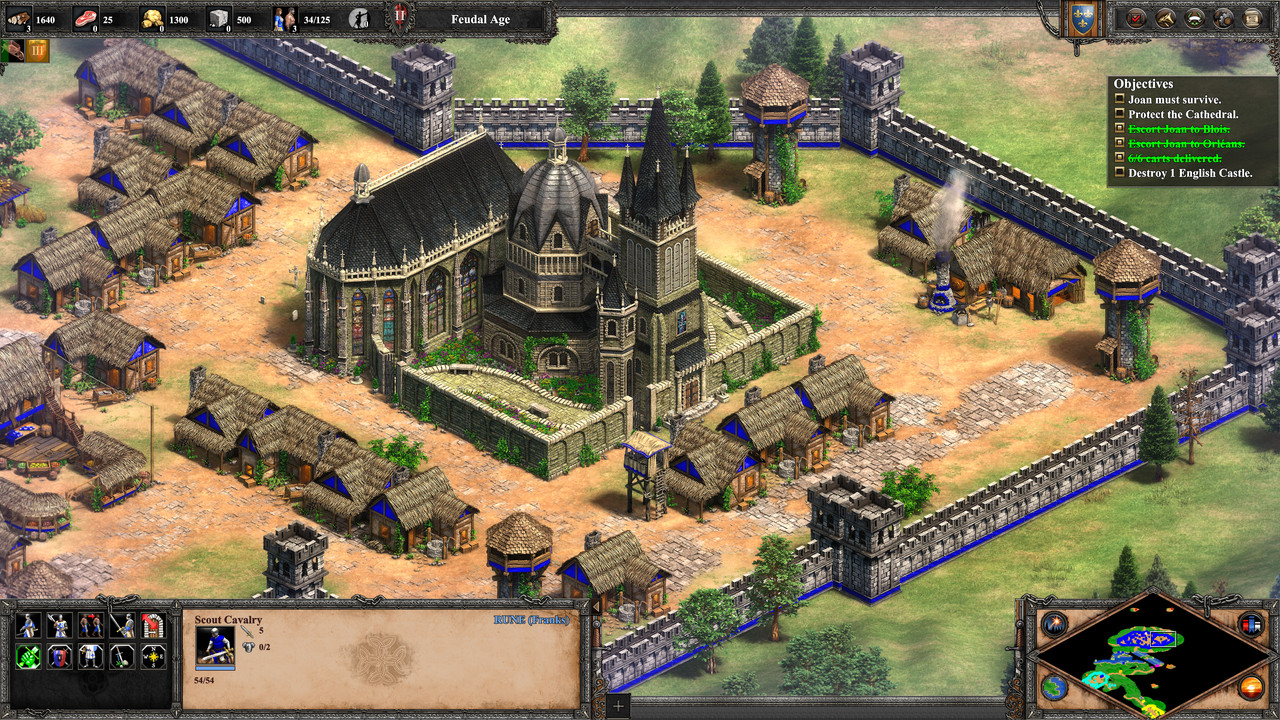
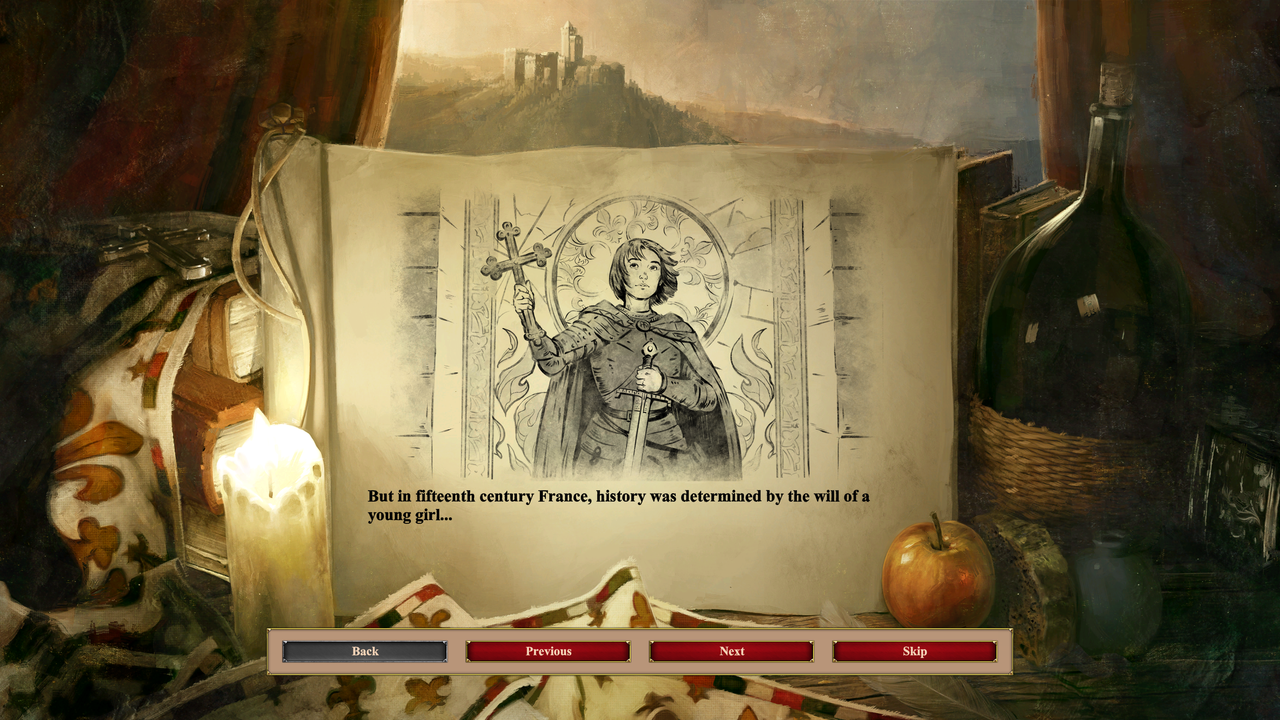
I finished the French campaign, which was often chaotic. You’re frequently fighting two or three enemies at once, and with alerts constantly popping up, it’s easy to miss a group of raiders slaughtering your villagers.
Next up was Barbarossa’s campaign (the Teutons), which plays exactly as you’d expect: absurdly tough buildings and infantry. As long as you can get a Castle up and start producing Teutonic Knights, you simply roll over your opponents. That said, it felt a bit too similar to the French campaign, so I switched things up and tried Saladin.
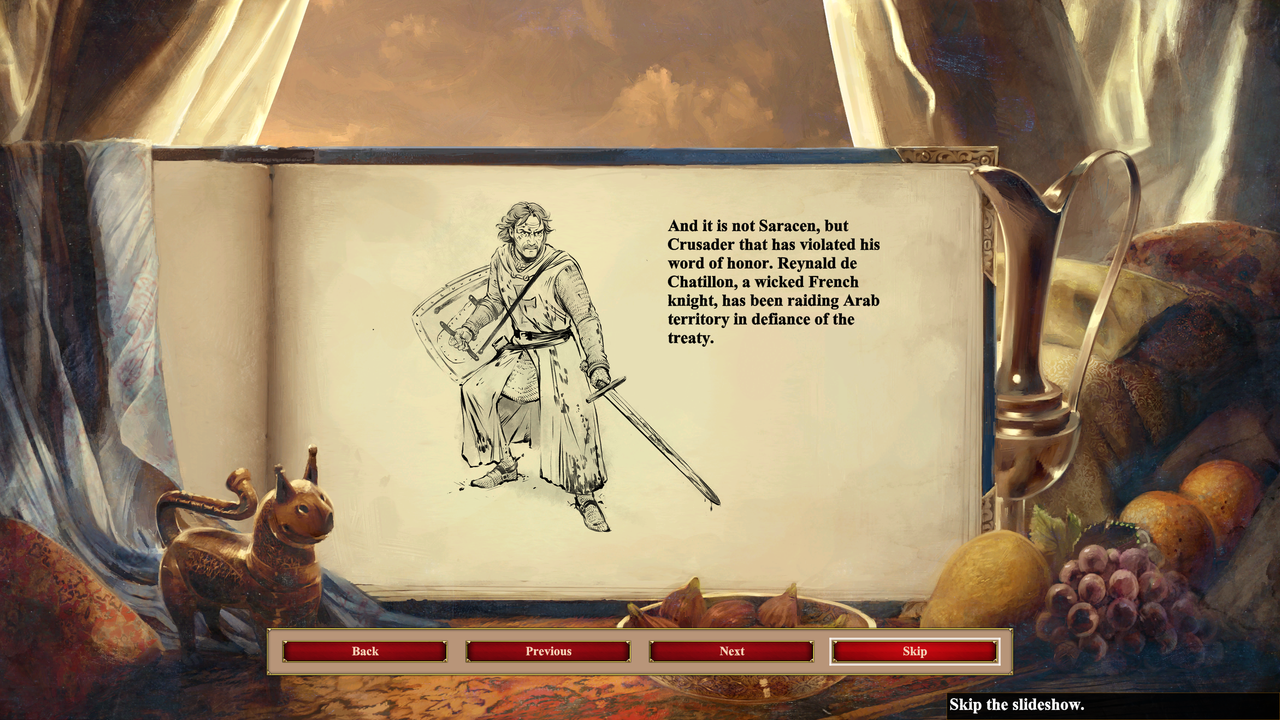
The Saladin campaign feels like oddly enthusiastic propaganda about how superior the Saracens are compared to the Norman crusaders. Still, it introduces a very straightforward strategy: camel riders counter cavalry extremely well, and the unique unit—a camel rider that throws swords—is… memorable. Since the AI loves cavalry, massing fast camel units is usually enough to win. The most interesting twist comes in the final mission, where Richard the Lionheart deploys unique trebuchets called Bad Neighbours.
The Genghis Khan campaign stood out more. One mission asks you to recover a relic, but there are actually two—one held by a hostile tribe and another hidden away. It’s a nice subversion of expectations. Gameplay-wise, it’s similar to Saladin’s campaign, except instead of camels you rely almost entirely on mounted archers. The solution to most problems is simply: build more horse archers until everything looks like a pincushion.
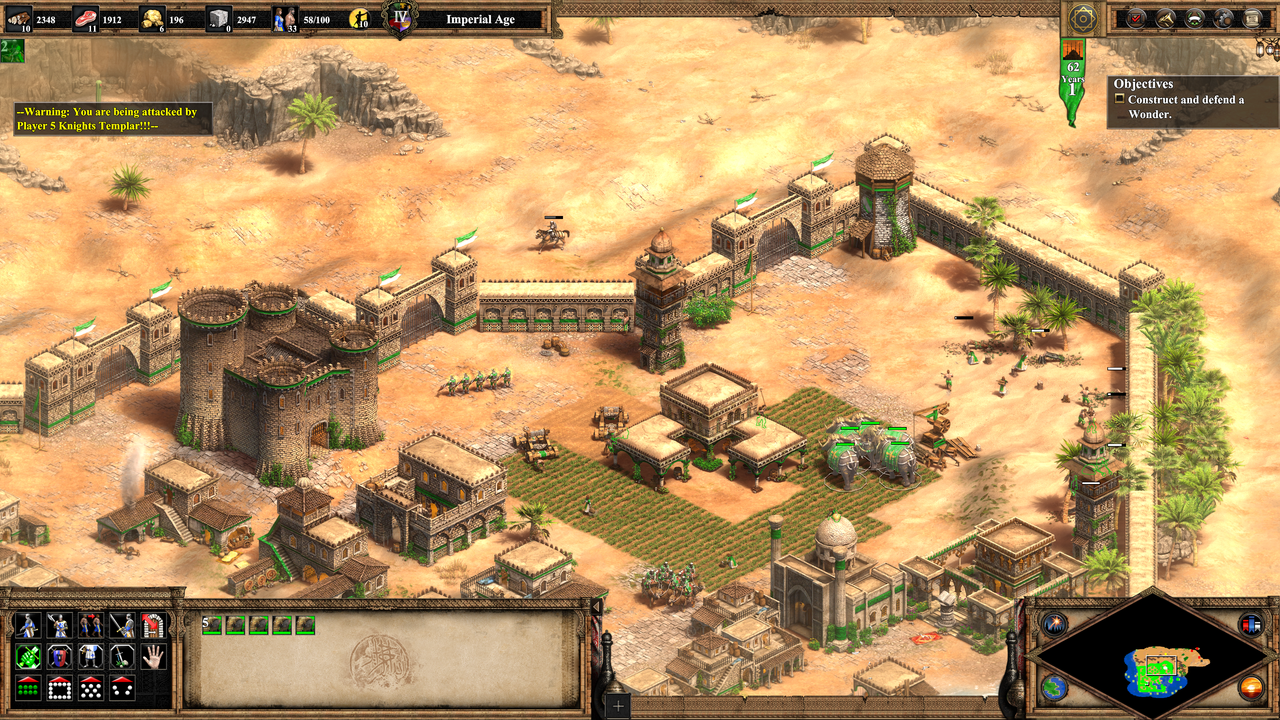
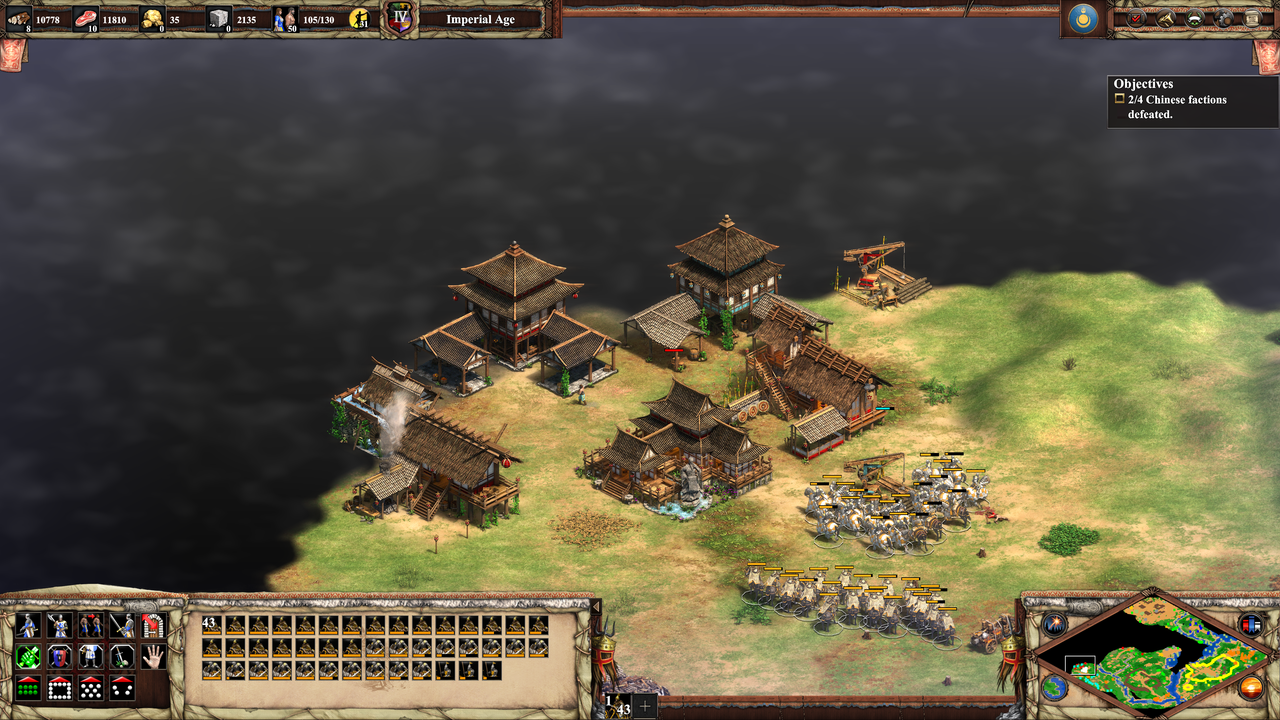
The first mission that genuinely frustrated me was the Great Wall of China. Not because the Chinese are a strong counter to the Mongols—with rocket carts, arbalests, and strong cavalry—but because the game never tells you that one of the four AI factions is secretly building a Wonder. Once it’s up, a defeat timer starts ticking. To make matters worse, that faction sits safely on a heavily defended island.
I eventually beat it using what I jokingly call the “French strategy.” Instead of settling behind the wall as intended, I shipped all my villagers to the island, rushed to the Castle Age, and built a Castle there. The island AI doesn’t build rams or trebuchets, so once the Wonder threat was gone, I returned to the mainland. Even then, it took nearly an hour to grind down the remaining three factions and hunt down every last villager—who absolutely refused to surrender.
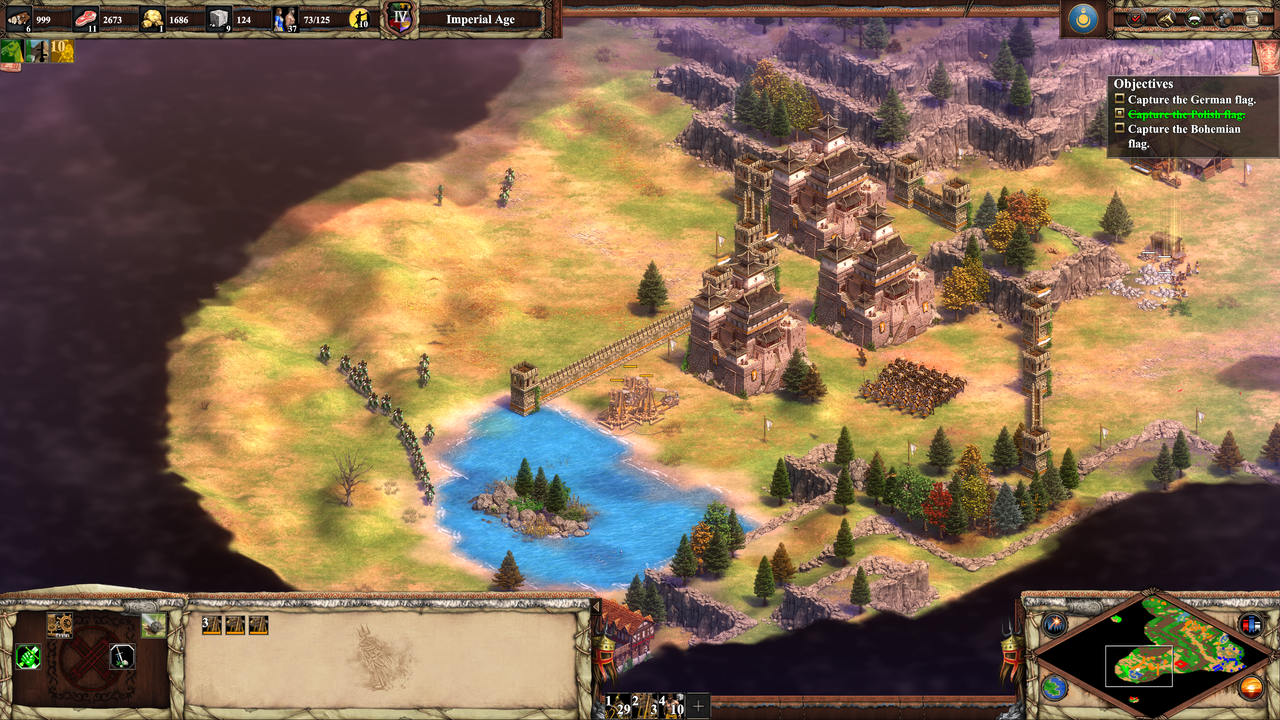
After that, defeating Russia and Persia was relatively easy, despite the supposed challenge of managing two fronts. I also expected the final bridge-holding mission to be brutal, especially after a previous scenario required building three castles (which the Bohemians destroyed on my first attempt). Instead, Hungary barely attacked, and the game eventually hands you a pile of overpowered units.
I also expected trouble in the Polish mission against the Germans, since you start without villagers and rely entirely on allies for resources. Surprisingly, it turned out to be fairly easy.
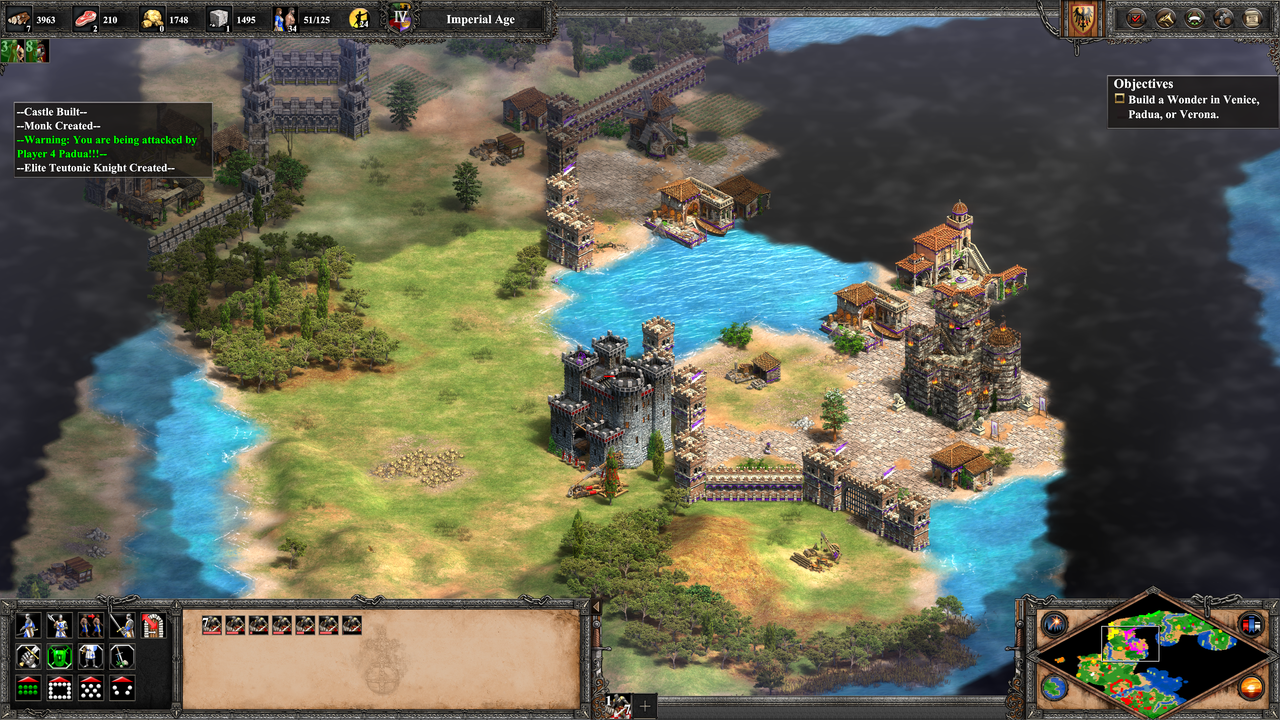
One persistent issue I have with the game is wall behavior. Walls are crucial, but it’s often unclear whether they’re actually blocking enemies. Because of the isometric perspective, cavalry frequently squeezed through gaps I didn’t even realize were there.
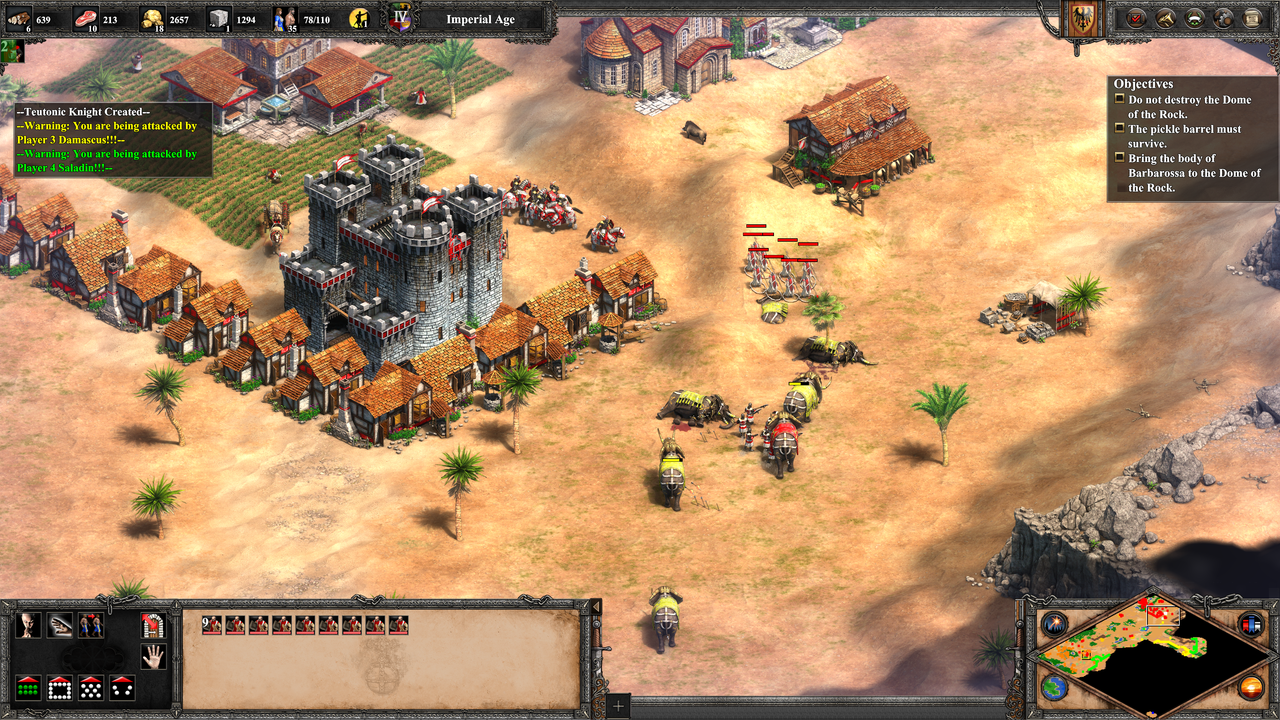
After completing the campaigns I played, I’d say the Mongol missions are the most difficult overall. The Teutons may fight on a larger scale, but they’re essentially the Protoss of Age of Empires II: incredible buildings, elite infantry, and excellent cavalry.
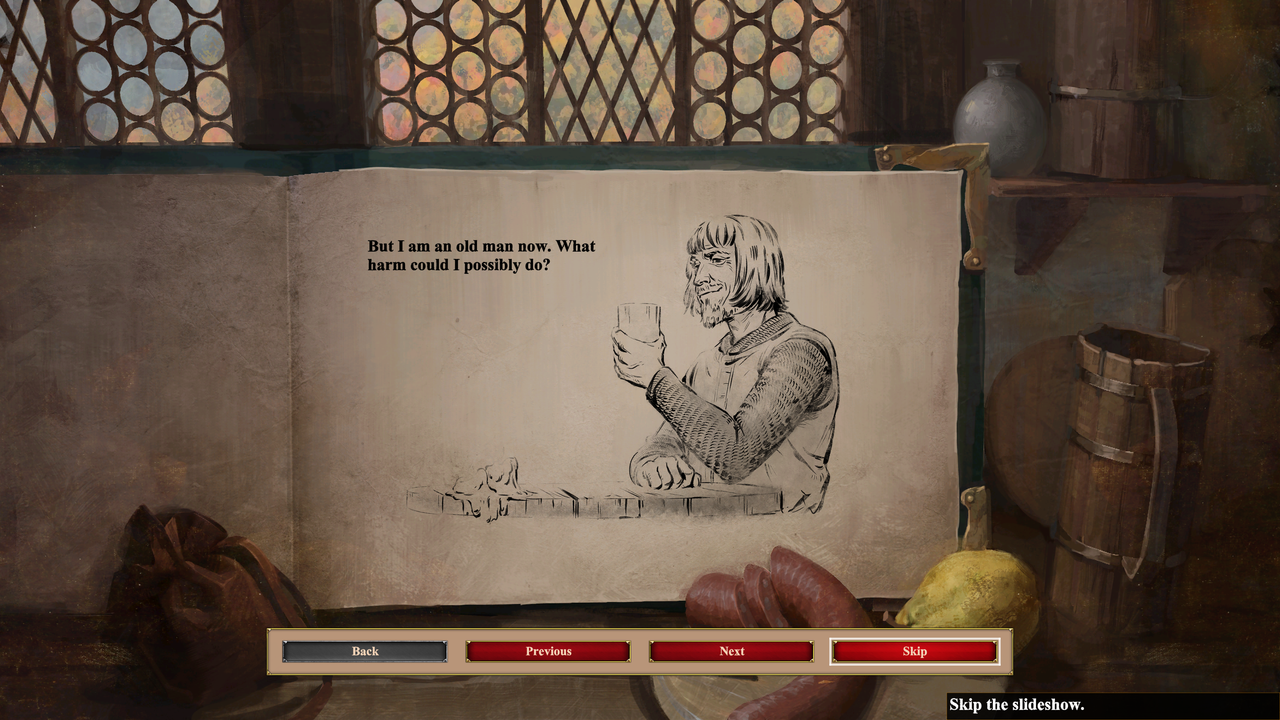
What really stands out is how differently each campaign tells its story. The Barbarossa campaign is the strongest in this regard, featuring Henry the Lion betraying you not once, but twice over six missions—only for the final reveal that he’s been the narrator all along.


