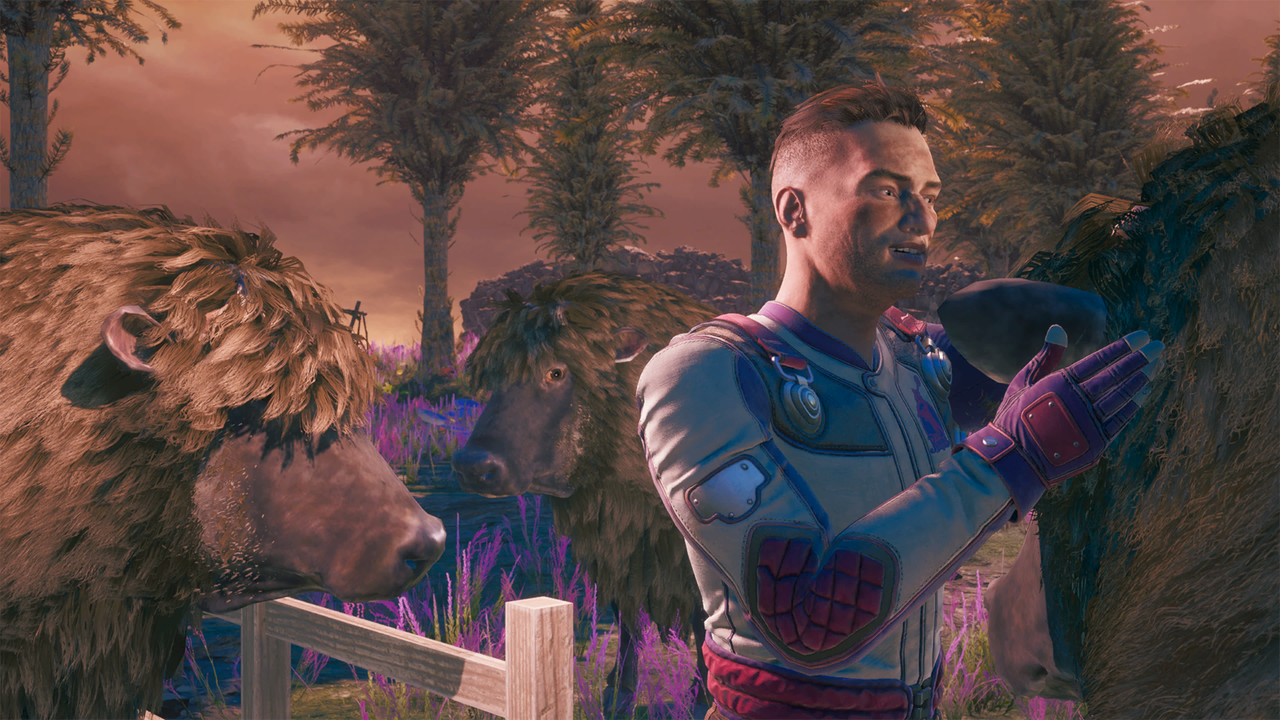
Playing The Outer Worlds feels like navigating a unique blend of New Vegas, Skyrim, and Mass Effect. It captures the essence of these classics while offering a fresh experience. The game is undeniably enjoyable, although its moral choices can be as perplexing as those in New Vegas.
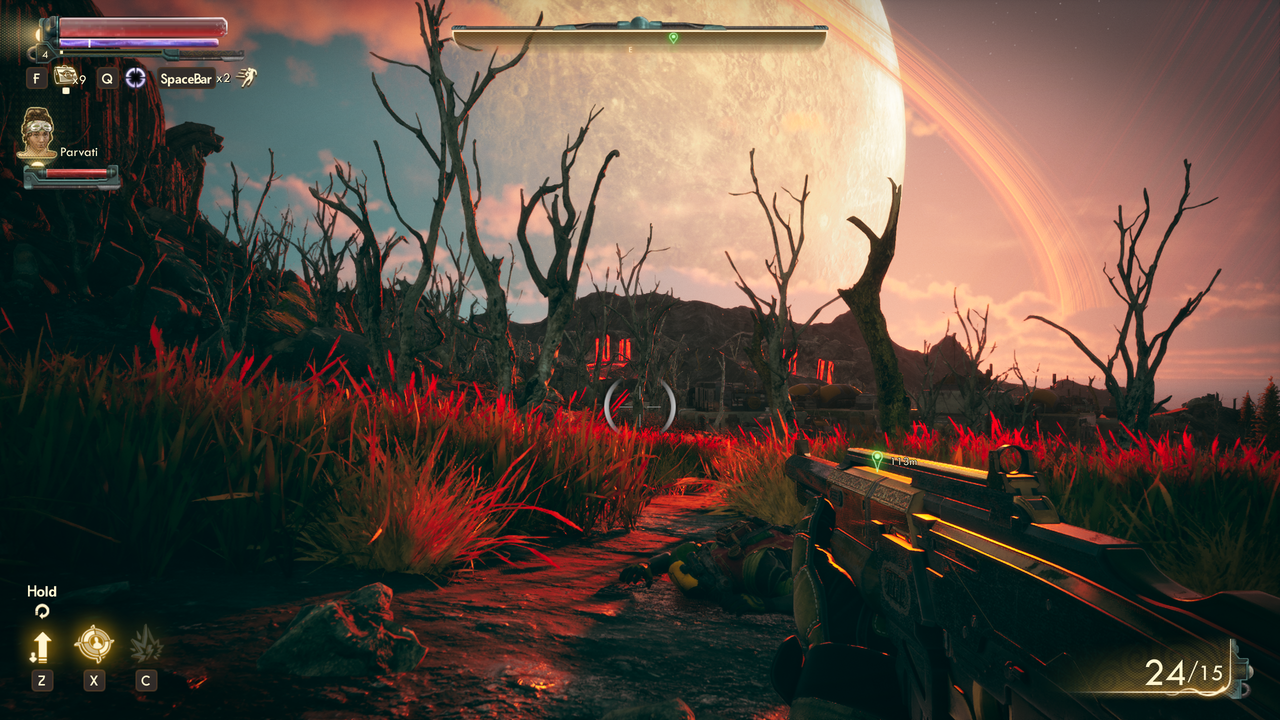
When compared to Borderlands, which shares a similar Wild West vibe and shooter mechanics, The Outer Worlds stands out in two significant ways. First, running out of ammunition is far less of a concern here, and second, the weapons are more consistent. Unlike the randomized arsenal of Borderlands, The Outer Worlds offers a more predictable selection of pistols, assault rifles, shotguns, and even an LMG, which you acquire surprisingly early.
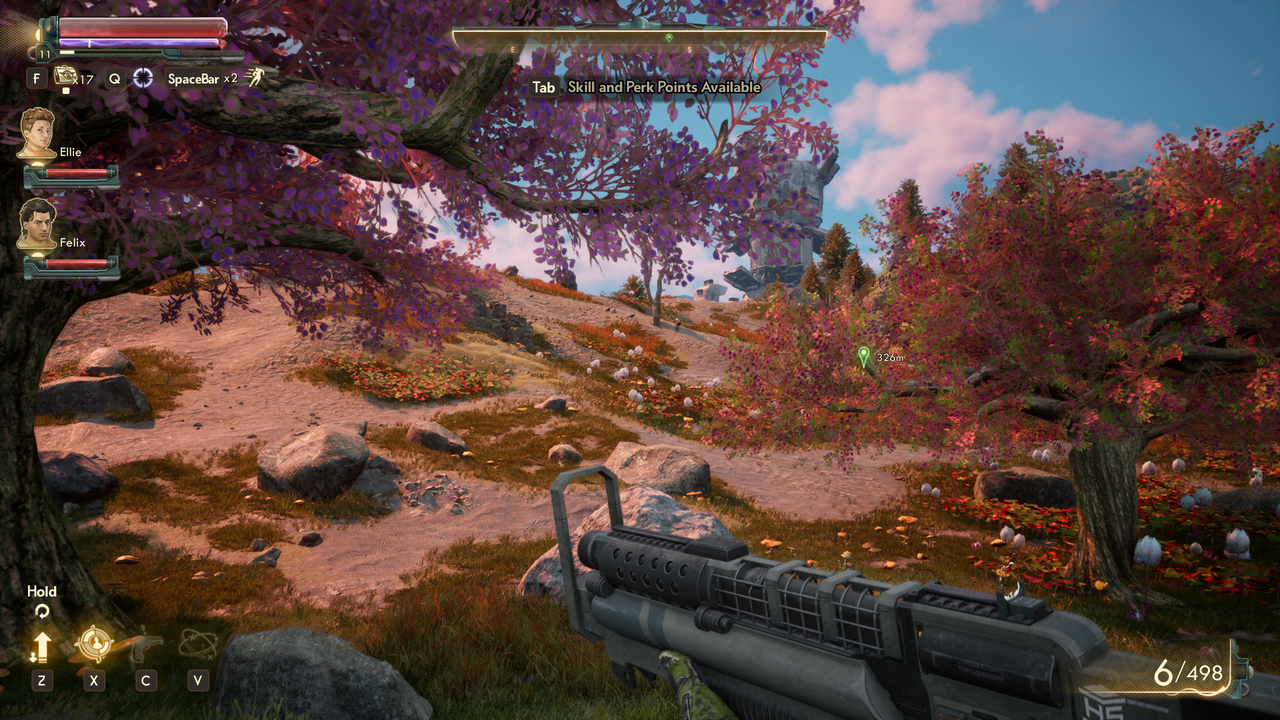
The game’s design favors well-defined, self-contained areas over a seamless open world, drawing more from Mass Effect than New Vegas. Visually, it differentiates itself from the more muted tones of Fallout with a vibrant palette of pinks and oranges.
Combat is enhanced by a slow-motion mechanic, reminiscent of VATS but without freezing time, which works effectively. The flaws system is an interesting twist, with negative traits emerging during gameplay rather than being selected at the start, similar to traits in Fallout. For example, developing "Robophobia" might reduce your Dexterity near robots but also grant you an additional perk.
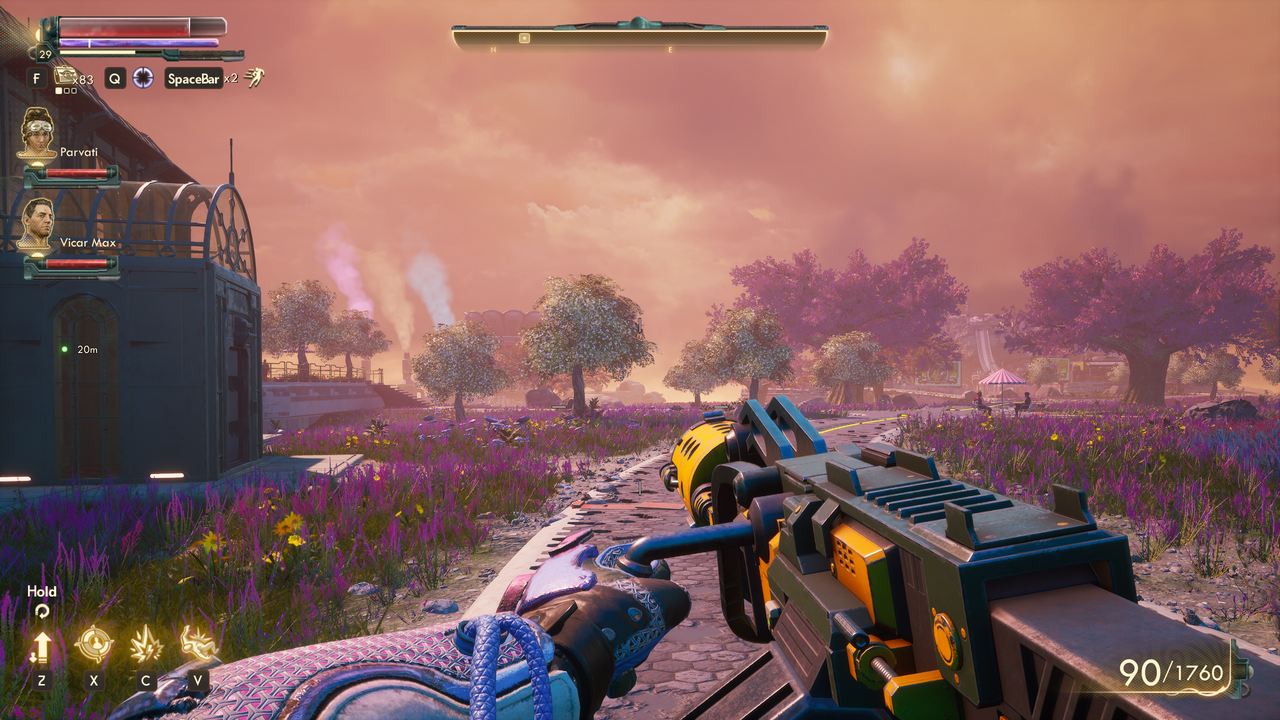
One memorable moment was discovering that I had inadvertently done quests in the wrong order, leading to the untimely demise of a scientist I was supposed to rescue. The game doesn't shy away from timed quests, adding an extra layer of challenge.
There's a questline to acquire unique "science" weapons, starting with a hammer that changes its elemental damage with each strike. Another standout is a shrinking pistol, a clear homage to 1950s sci-fi. Impressively, weapon upgrades also alter their appearance, a detail often overlooked in other games.
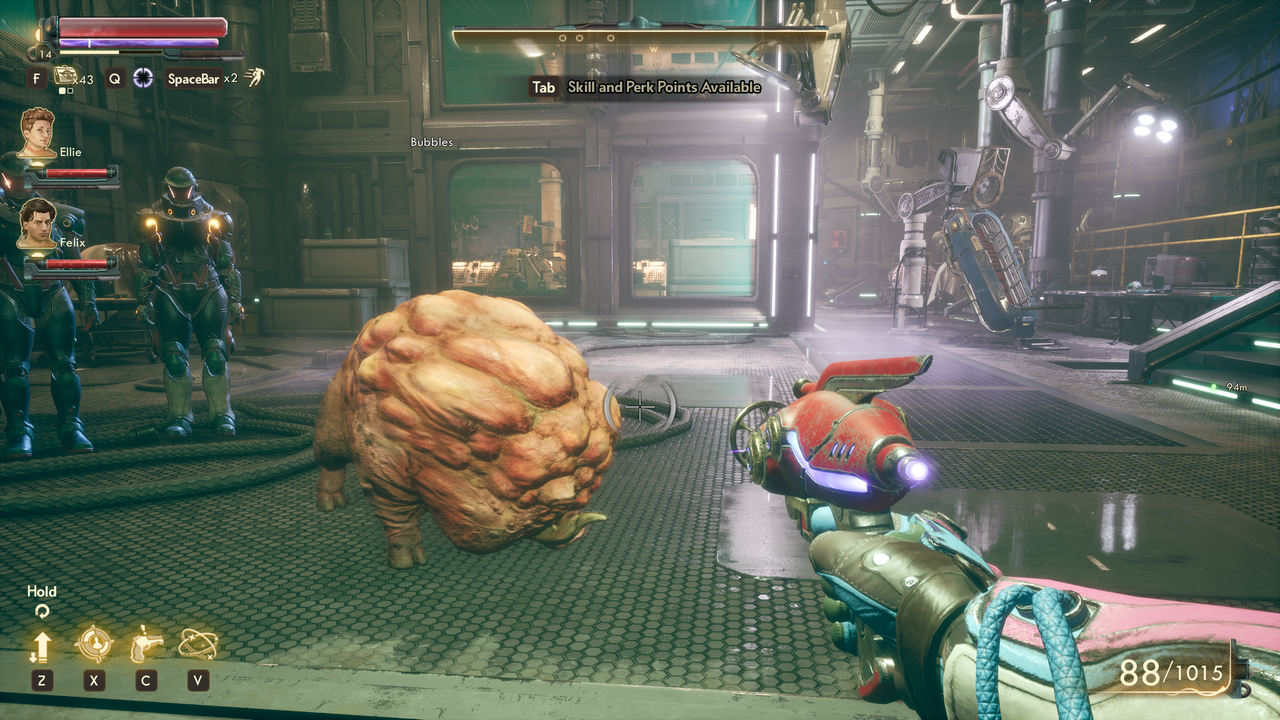
Obsidian’s knack for crafting engaging sci-fi narratives shines through in quests with names like “Canid’s Cradle,” “Slaughterhouse Clive,” and “Stainless Steel Rat.” While the game’s loot system scales with your level, it also reduces the incentive to explore since better gear is always just around the corner.
The game’s humor is sharp, particularly in quests on Monarch, where the locals deny being cannibals—despite evidence to the contrary. The balance of difficulty is well-managed, making The Outer Worlds a game that remains engaging without becoming a grind.
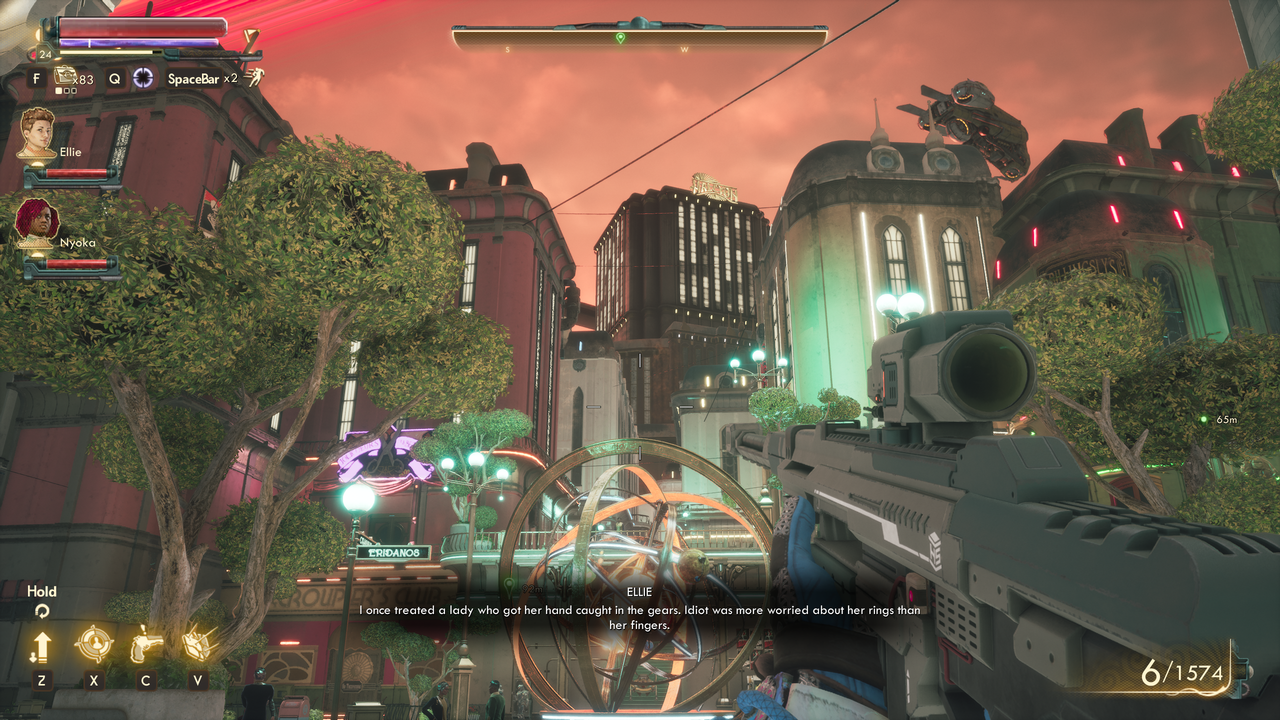
The DLC, Murder on Eridanos, offers a new mechanic with an investigation scope, similar to detective modes in the Batman: Arkham series. The setting—a megahotel filled with parasitic, happiness-enforcing residents—bears a striking resemblance to We Happy Few. Despite the increased XP rewards, enemies become tougher, sometimes absurdly so.
The second DLC, Peril on Gorgon, feels a bit too familiar, even poking fun at its similarities to the game’s starting area. It does reveal more about the marauders, but overall, it’s less remarkable than Murder on Eridanos.
Companion quests are mostly inconsequential, with a few exceptions, like Nyoka’s. The weapon variety in the late game left me wanting more; a minigun or anti-tank rifle would have been welcome additions. Instead, I relied on the same sniper rifle and LMG, with only the gravity gun-like science weapon standing out.
The final prison break mission is satisfying, especially if you’ve helped different settlements, as they come to your aid in unique ways. However, there are no major plot twists, and the game’s conclusion leaves room for a sequel, hinting at Earth’s mysterious silence and the disappearance of a colony ship.
The thorough epilogue, reminiscent of Fallout, provides a strong sense of closure, making your journey feel meaningful. Overall, The Outer Worlds is a solid RPG with a mix of familiar elements, clever writing, and engaging gameplay.