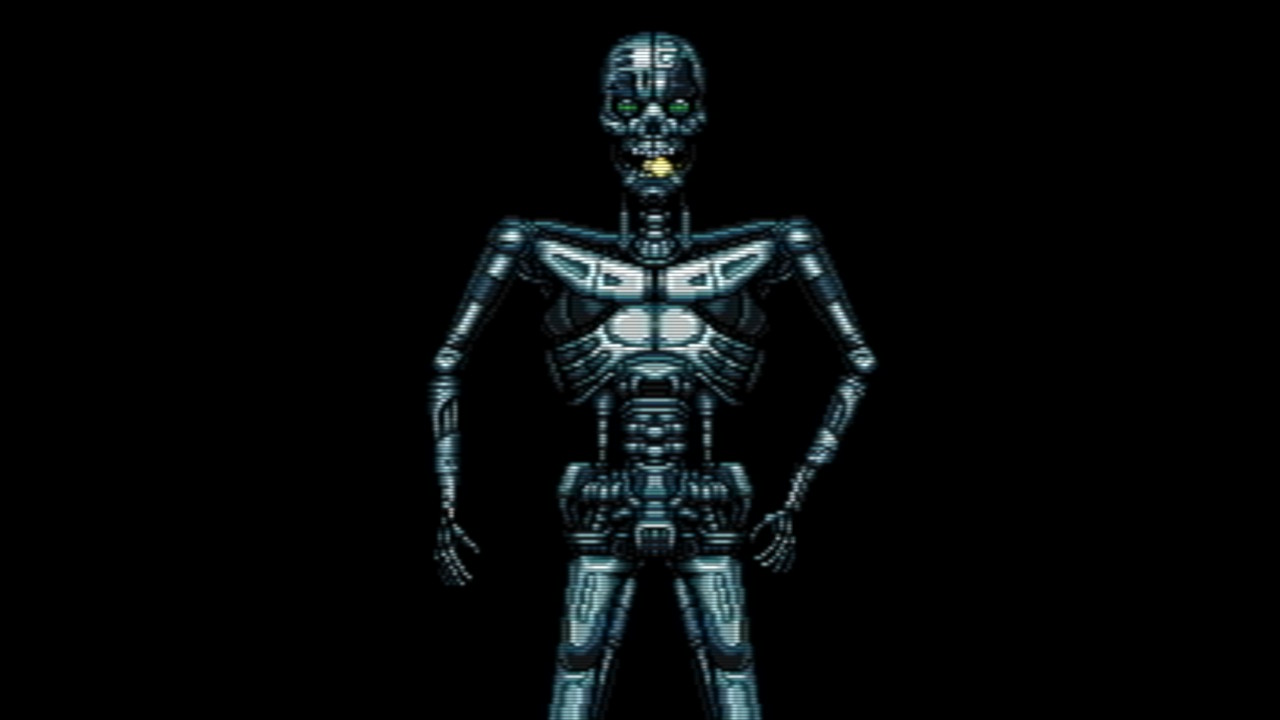
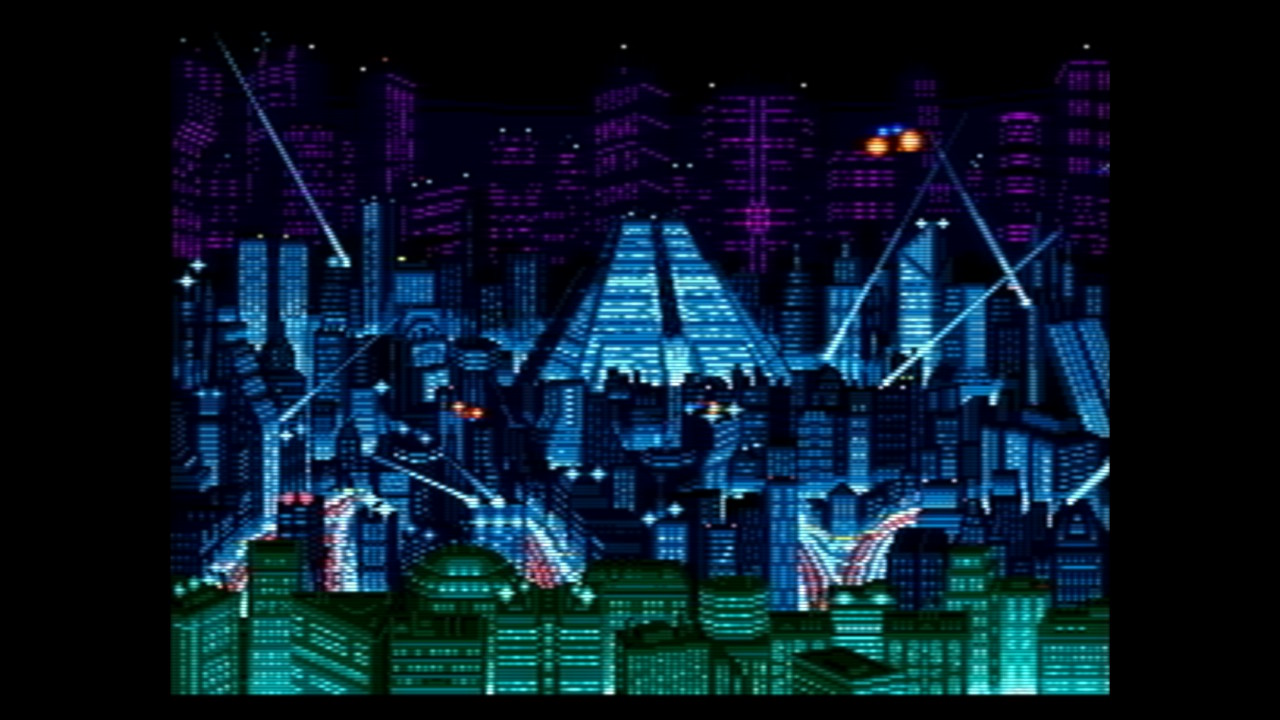
After comparing various versions, I settled on the Sega CD release, as it’s the only official English translation and I wasn’t particularly drawn to the aesthetic of the PSX/Saturn ports. The game is a fascinating experience, though it’s impossible not to notice how shamelessly Hideo Kojima borrows visual elements from Blade Runner and Terminator.
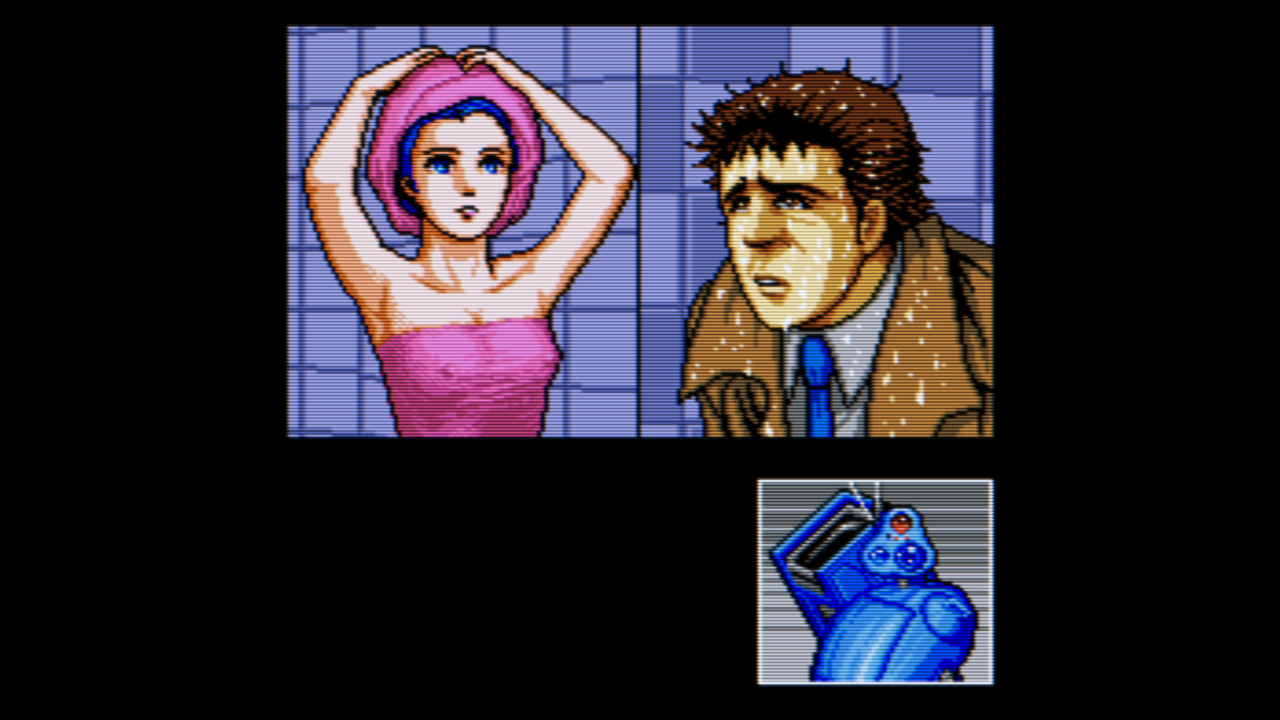
The game humorously ties into Kojima's Metal Gear series with the introduction of a small robotic companion called Metal Gear, a nod fans will appreciate. Combat in Snatcher is simple yet engaging, resembling a “whack-a-mole” mechanic where enemies pop up in one of nine sections. It’s manageable, though later fights, like the one in the air duct, can get quite challenging.
I initially played the game via RetroArch on the Nintendo Switch but encountered persistent technical issues, such as endless animations during the factory transition—a problem reportedly tied to ISO+MP3 versions but oddly occurred with my BIN+CUE setup. Switching to RetroArch on PC resolved this, though further hiccups on Switch required workarounds like transferring save files and reloading the emulator. Ultimately, I continued on PC for a smoother experience.
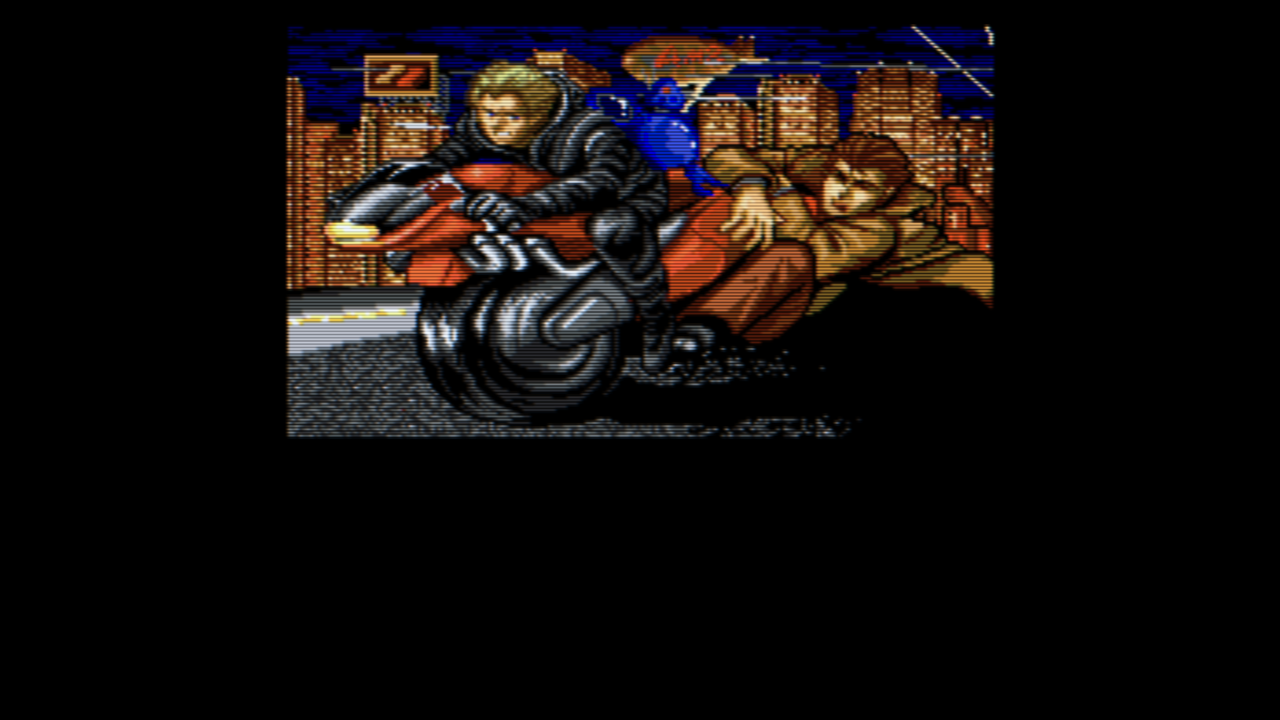
One of the game’s intriguing mechanics is its approach to progression. Instead of relying solely on a "correct path," the story advances after performing a certain number of actions, allowing for experimentation. For instance, you can simply look around multiple times to trigger the next event, a refreshing change from the rigid design of many other adventure games.
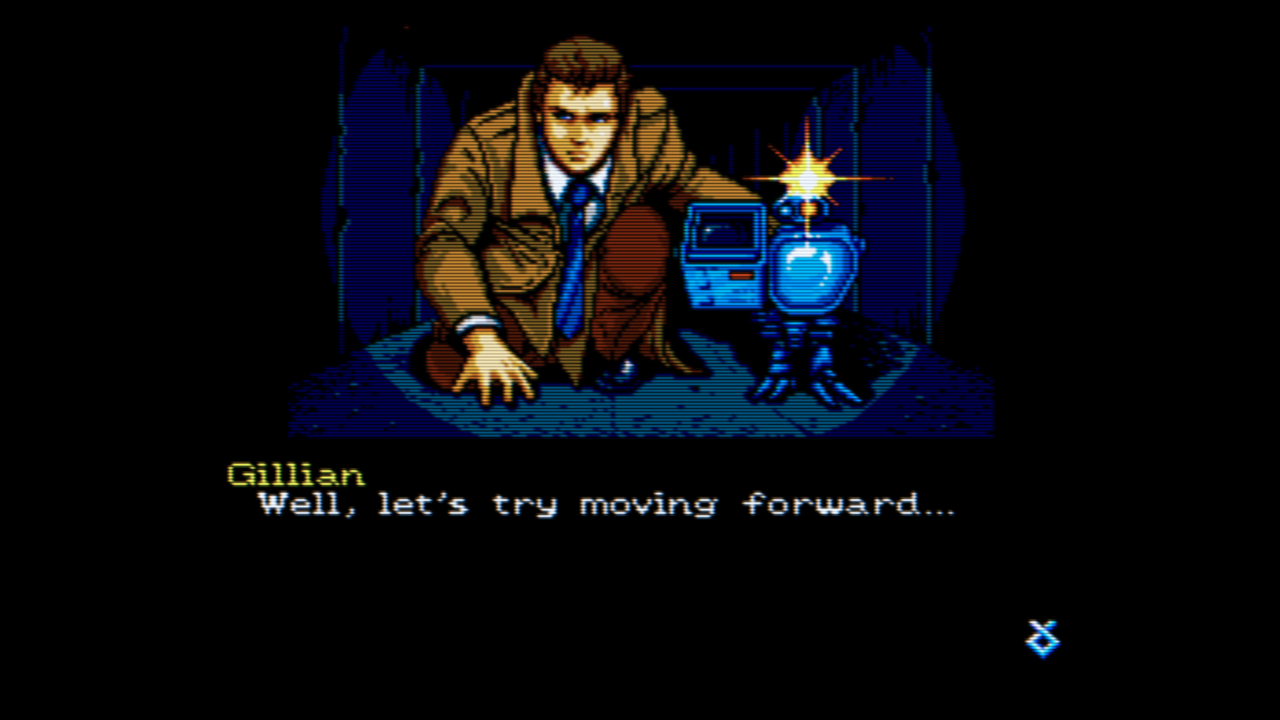
There’s a lot of manual interaction required, particularly with the game's phone-call system. You must memorize numbers and manually input them each time, even after they're saved. Similarly, interactions with the informant require repeatedly handling cash despite having unlimited funds. It’s quirky but adds to the retro charm.
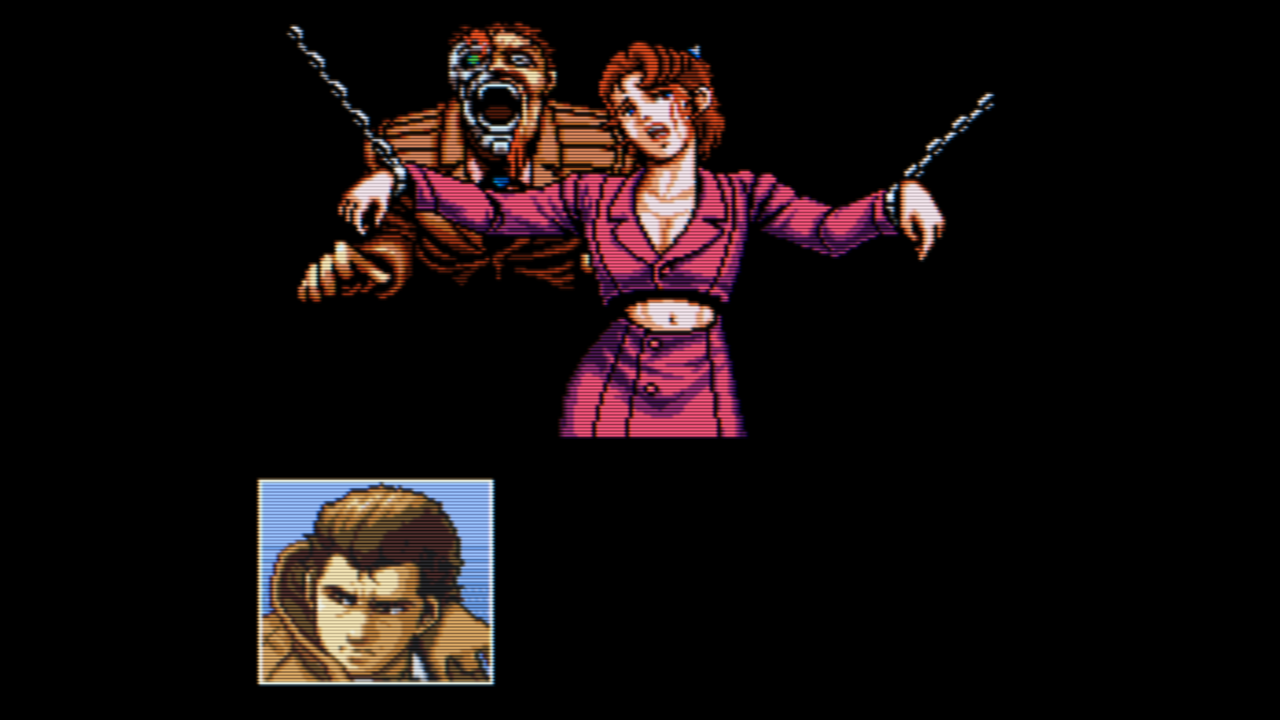
The story itself is a complex web of cyberpunk intrigue, complete with plot twists that feel ahead of their time. For example, in Act III, we discover that protagonists Gillian and Jamie were found in cryosleep, and the technician Harry, killed earlier, is actually their son, now older than his parents by 20 years—a twist reminiscent of Fallout 4, but Kojima envisioned it decades earlier.
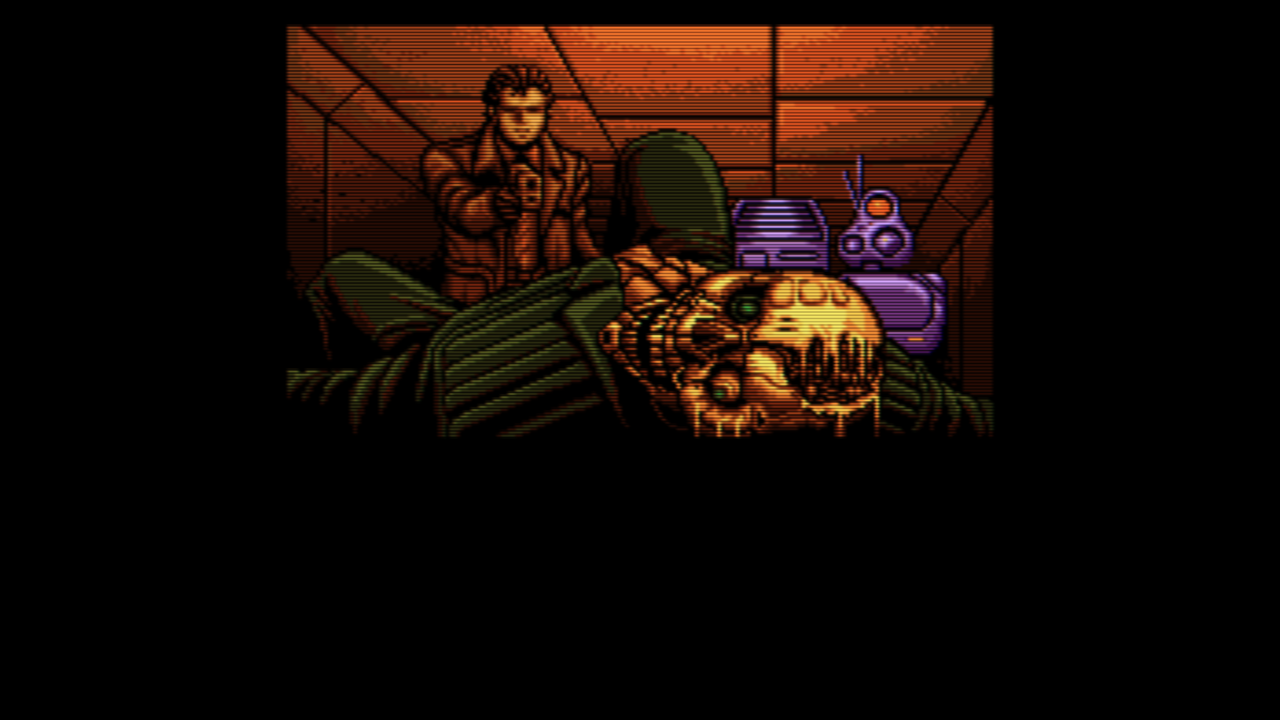
The third chapter unveils the origins of the Snatchers: a Soviet project involving a virus, Lucifer Alpha, designed to decimate cities, followed by android replacements modeled after the deceased. Gillian, once a CIA agent embedded in the project, and Jamie were researchers on the team. When the Soviet Union collapsed, Elijah Modnar—an envious colleague—released the virus, placing himself, Gillian, and Jamie into cryosleep. Years later, he reawakens to continue the Snatcher program, with a god complex driving him to perfection. His ultimate foil is Random Hajile, an android built to hunt Snatchers, unaware of his true nature.
The final act is intense, with two grueling shooting sequences followed by a 20-minute exposition dump. It culminates in Random sacrificing himself to stop Elijah, proving his humanity. The story concludes with Gillian and Jamie resolving to rebuild their relationship and Gillian heading to Moscow to end the Snatcher threat for good.
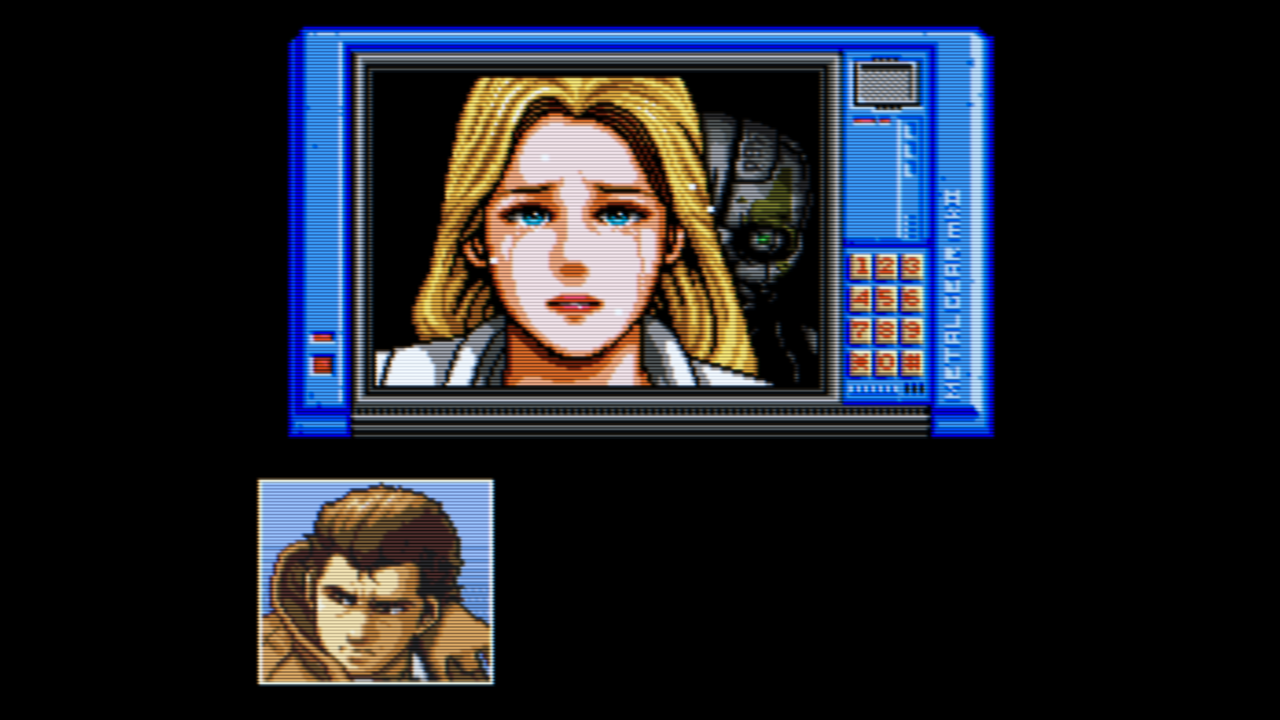
Snatcher is an outstanding cyberpunk adventure that remains playable and engaging even 30 years after its release. Its mix of detective work, sci-fi storytelling, and retro mechanics is impressive, though the final shooting segments were frustratingly difficult—perhaps due to a higher frame rate in modern emulation. What once might have been seen as blatant plagiarism now feels like a love letter to the genre, with Kojima’s “references” coming across as more subtle over time. If you’re a fan of cyberpunk or classic adventure games, this is a must-play.



![![![enter image description here]
(https://img-grouvee-com.b-cdn.net/userupload/2024/01/06/_60268813-2a37-41dc-a27e-25c5a71c3da5.jpg)]
(https://img-grouvee-com.b-cdn.net/userupload/2024/01/06/_67e1a154-b44f-4b0f-b0b1-0ba480ff73fd.jpg)](https://img-grouvee-com.b-cdn.net/upload/cache/32/76/32768e4d9c83025da1a6a04babf74623.jpg)