


Review Aleosha 4/5 · Dec 14, 2024
This is my second (or perhaps third) attempt at playing Persona 4 Golden. It’s not that the game is bad—far from it—but it’s undeniably long. While the captivating story and unique characters stand out, some design choices make the experience uneven.
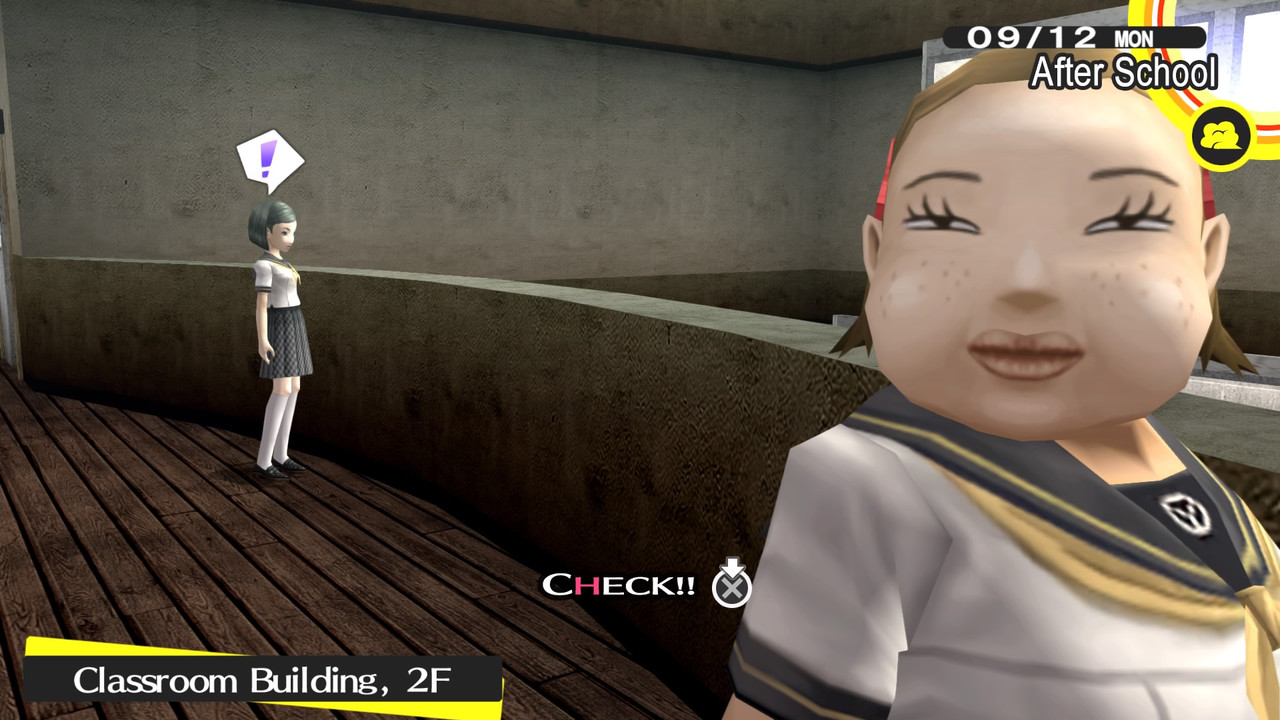
One recurring annoyance to me is the lack of lip movement during dialogues. For a game so focused on …
This is my second (or perhaps third) attempt at playing Persona 4 Golden. It’s not that the game is bad—far from it—but it’s undeniably long. While the captivating story and unique characters stand out, some design choices make the experience uneven.
One recurring annoyance to me is the lack of lip movement during dialogues. For a game so focused on narrative and interaction, this feels oddly outdated.
The premise is intriguing: people are mysteriously drawn into TVs at night, where they must confront their Shadow—the dark, hidden sides of themselves. If they fail or die in the TV world, they die in real life. This leads to a series of rescues that drive the plot forward.
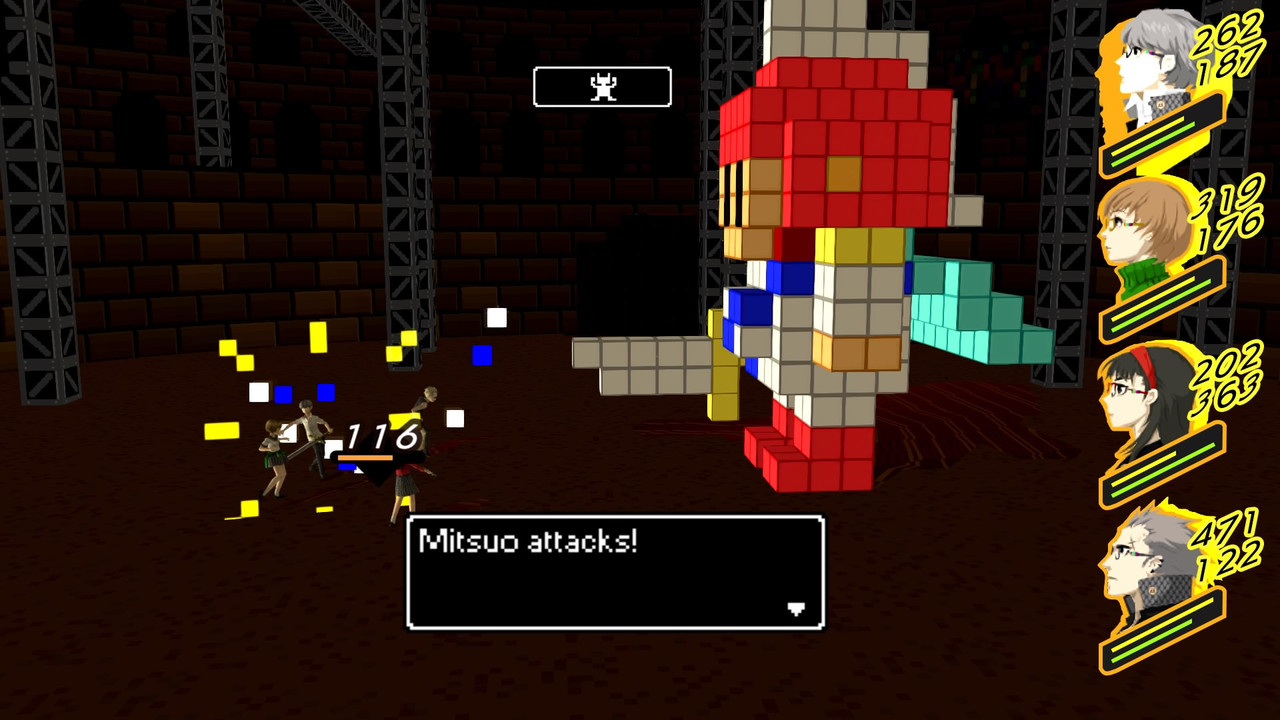
The combat system, while initially fun, becomes tiresome over time. Like many Shin Megami Tensei games, it revolves around exploiting enemy weaknesses with magic. However, once you run out of SP (magic points), battles grind to a halt. And since party members are designed to complement each other, running out of SP on one character can derail an entire run. SP recovery items are more accessible in this version than in the original PS2 release, but the issue still persists.
The game tackles bold and mature themes for a JRPG aimed at teens. For instance, Kanji’s dungeon—a men-only public bathhouse—explores his struggles with his sexuality. While this is a brave narrative choice, the aftermath feels uneven, with Yosuke’s recurring jokes about Kanji’s sexuality undermining the seriousness of the subject.

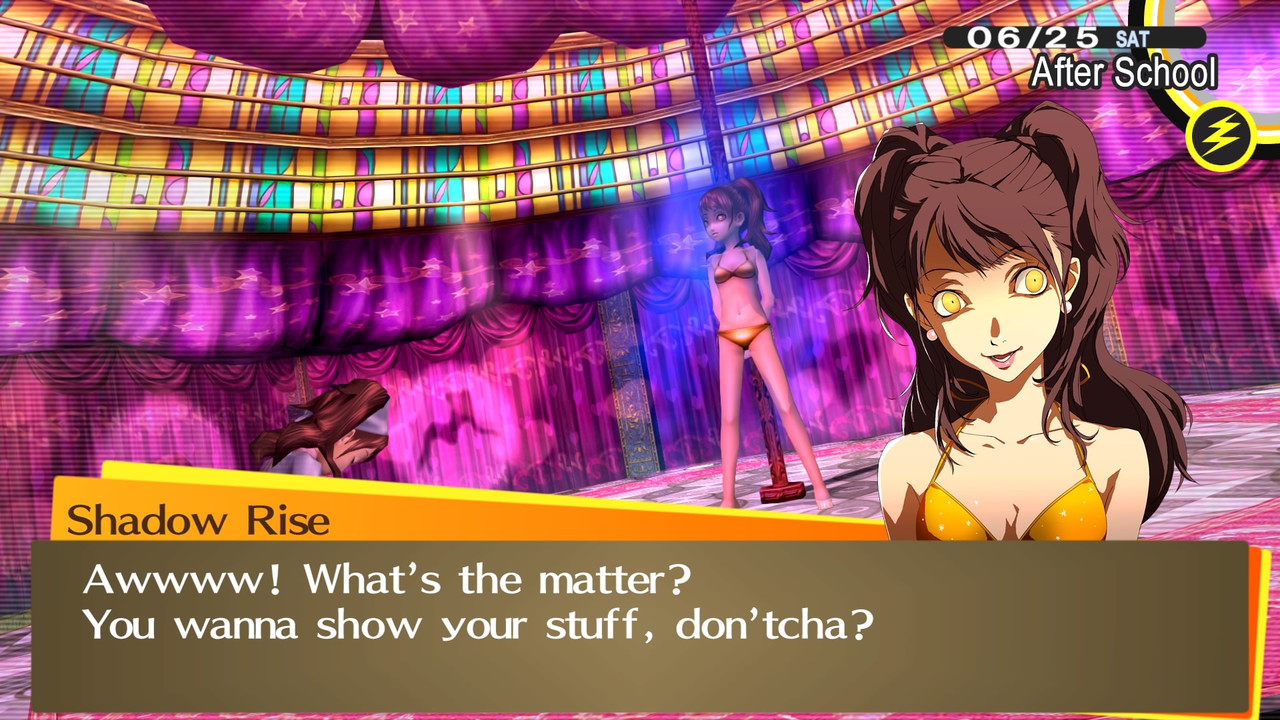
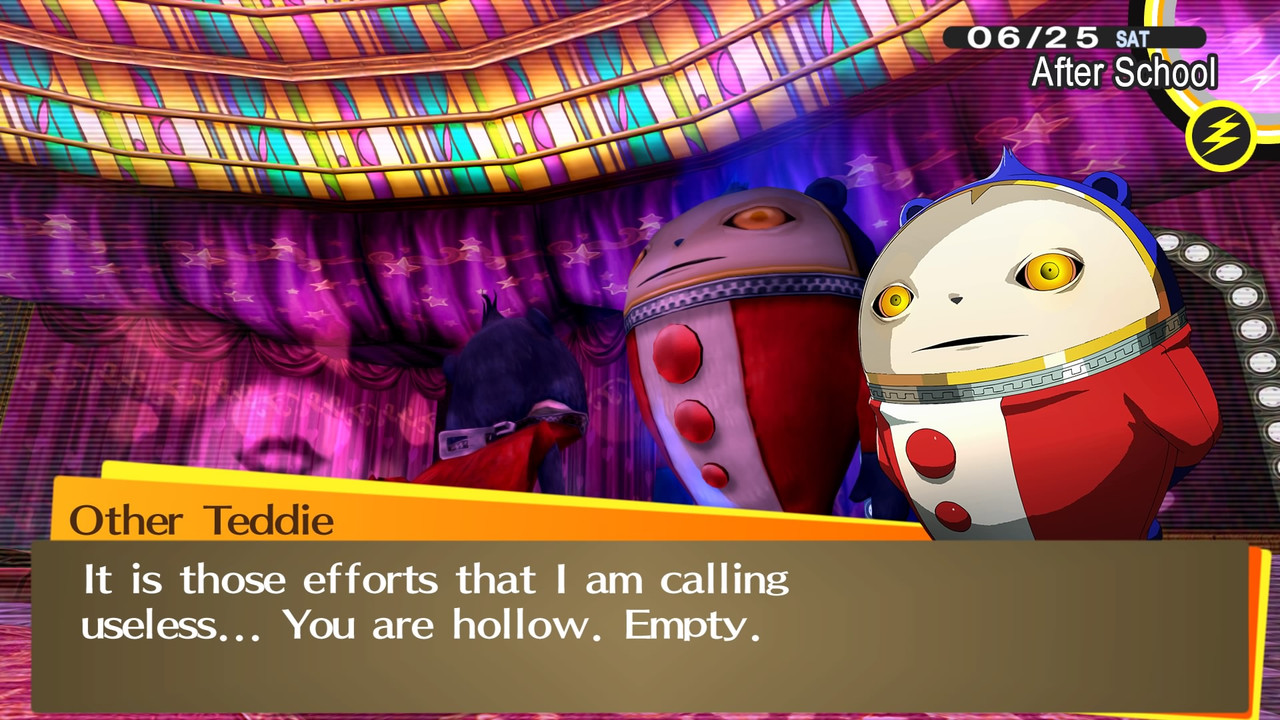
Rise, a teenage pop star, is the next victim, and her dungeon is a strip club, symbolizing her discomfort with being objectified. Her boss fight, a pole-dancing Shadow, is followed by a double-boss twist when Teddie unexpectedly gains a Persona—a standout moment reminiscent of Persona 3’s Aegis gaining humanity.
A notable plot twist involves a victim who was murdered outside the TV world, a first for the game. The story cleverly explains this as the killer adapting their methods after the team starts rescuing victims.
Despite its strong narrative moments, Persona 4 Golden can wear players down with its mechanics. Investigation sequences, crucial for advancing the story, are frustrating. Picking the correct dialogue options often feels counterintuitive, and failure can lead to bad endings, forcing a restart.
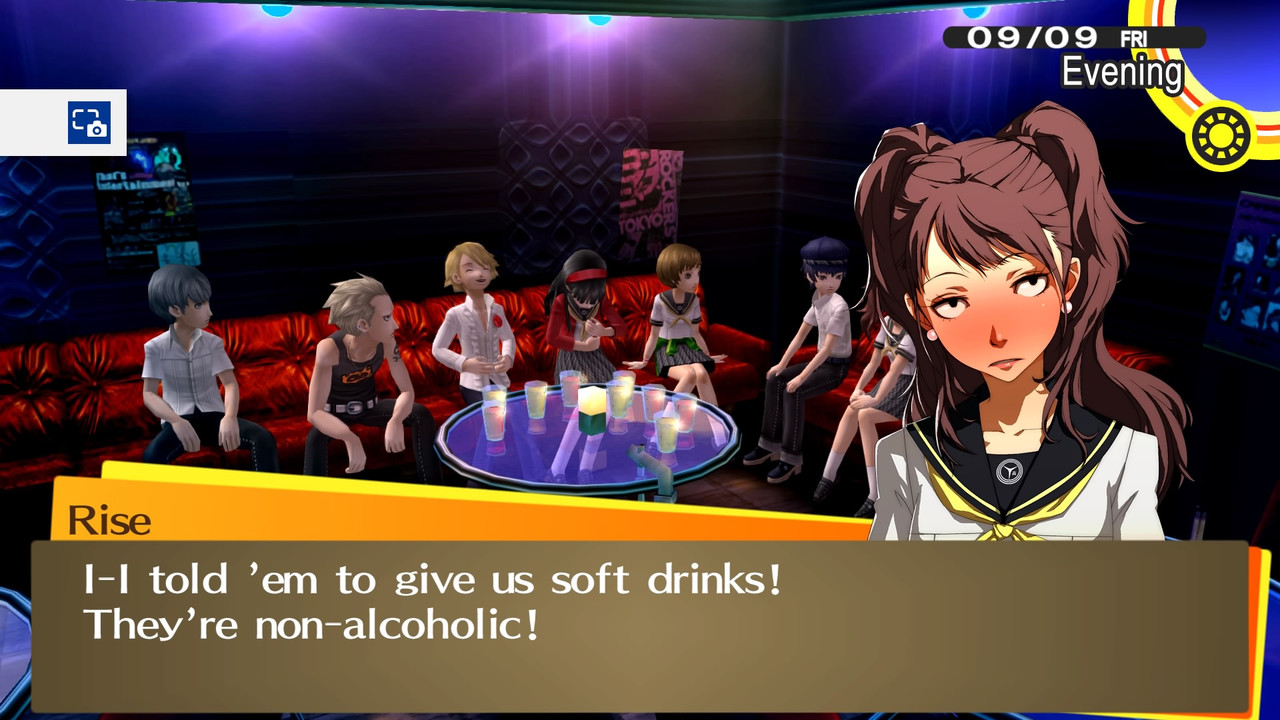
The dungeons, particularly the Magatsu dungeon, also test patience. Shadows endlessly respawn, and many enemies lack weaknesses, turning combat into a slog. Boss battles often require trial and error to memorize their phases, making some encounters feel more punishing than rewarding.
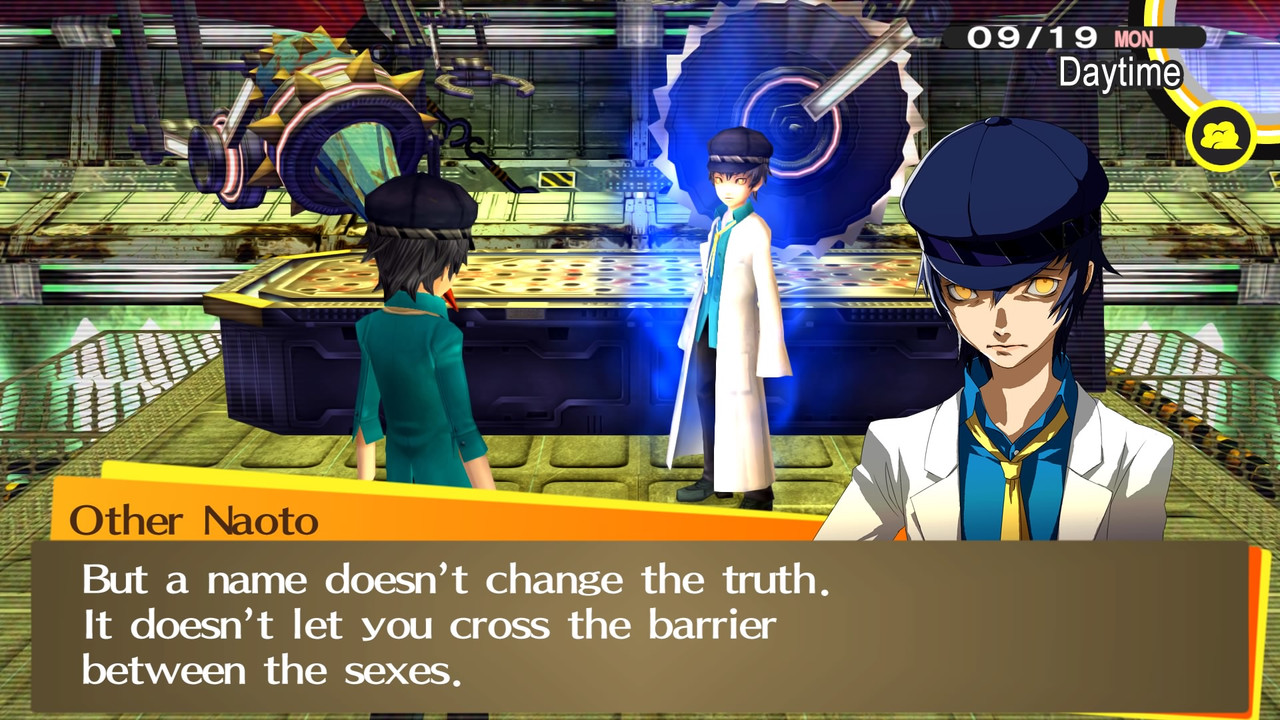
Half the game functions as a dating sim, but frequent time skips disrupt social interactions. Missing out on critical events, like Marie’s dungeon despite a near-maxed social link, can feel punishing. The True Ending adds another layer of frustration, requiring obscure actions without clear hints.
The finale ties the narrative together brilliantly.
Persona 4 Golden is an ambitious blend of visual novel, dating sim, and dungeon crawler, but it’s not without flaws. The plot has noticeable holes, the time skips disrupt immersion, and the combat can feel repetitive and punishing. Yet, despite these shortcomings, it’s a game that sticks with you—much like its message about bridging gaps to create something meaningful.
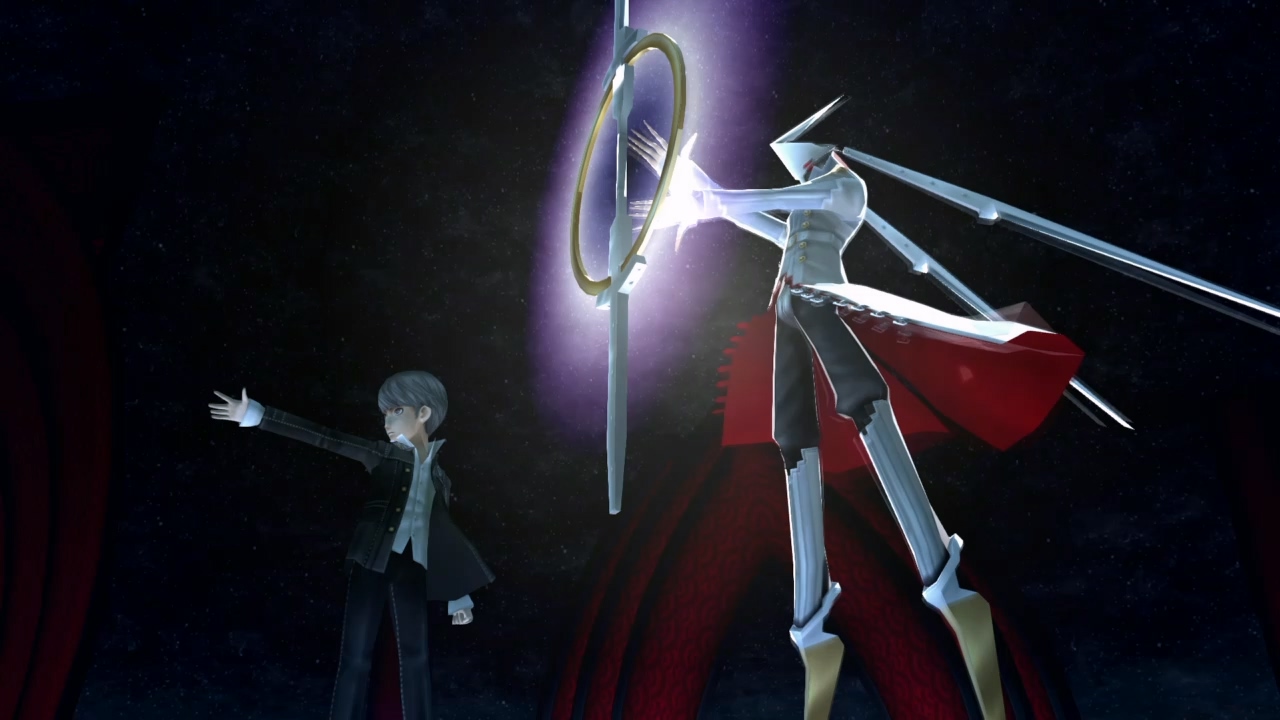
Would I recommend it? Absolutely, though maybe with a guide handy.


