“The heart of a father is the masterpiece of nature.”
-Antoine François Prévost d’Exiles, Manon Lescaut
What are the differences between video games and movies? As time goes on and technology advances, the differences have become increasingly minimal. Can we expect games that are 100% cutscenes with quick time events in another 10 years or so? In what sense would they still be video games and not interactive movies? Let’s not get ahead of ourselves…
By 2013, video games had embraced their evolution toward becoming more “adult”. Like any true maturing entity, gaming generally derided the cartoonish whimsy of the retro era and adopted hard-boiled anti-heroes, gritty realism, language, sex, and violence. The former became old hat while the latter became mainstream. The Xbox 360 and the PlayStation 3 delivered experiences which could appeal to mature audiences without flinching. Of course, there was the Wii, as well, busily outselling both on the grounds of its (in hindsight) gimmicky motion controls and party games, but the Wii’s simple fun didn’t define what games had could resemble now. Not really.
The industry had reached a point where games could begin to tell stories in cinematic fashion. We could sit back, set our controllers down, and watch full-fledged cutscenes which play out like movies, lasting for minutes on end. With the advent of voice acting, casting real actors, face mapping and motion capture, creative direction, orchestral sound design, and talented screenwriting, the possibility arose of creating games which could engage players the same way that films engage audiences. The gap between film (a universally accepted art form) and video games (in 2013 still perceived by the general populace as “kidstuffs”) had shrunk. A big part of that shrinkage belongs to the contribution of the game under my microscope today.
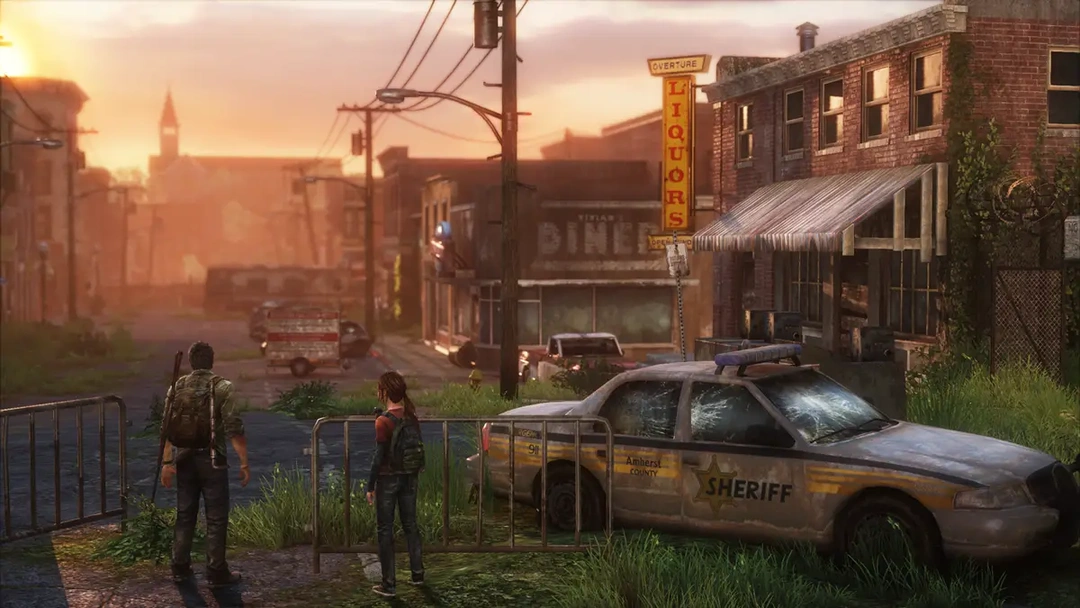
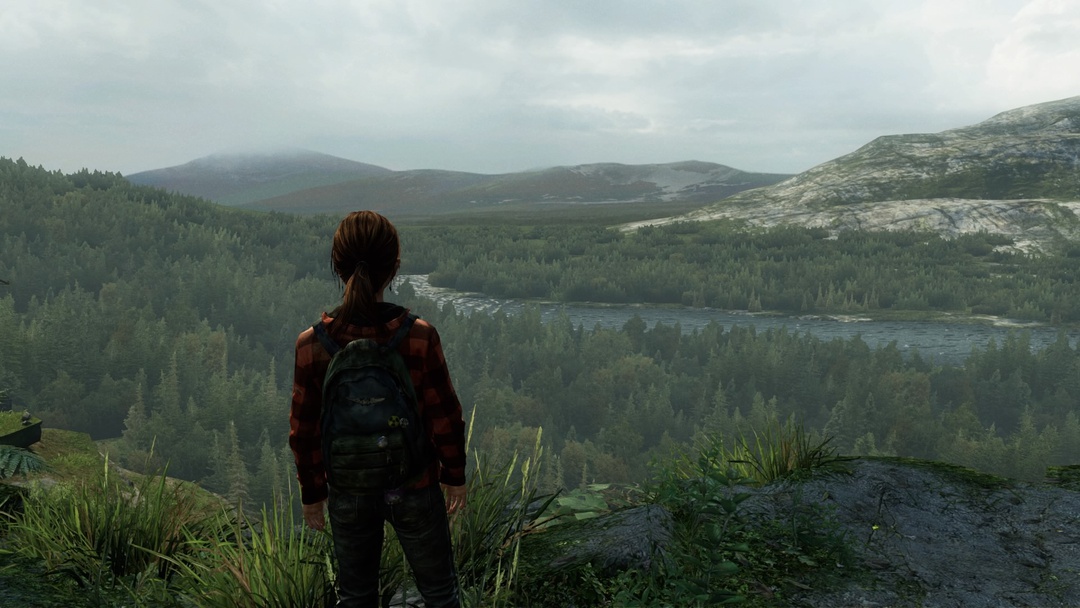
2013 saw the release of The Last of Us by Naughty Dog, a game which was definitively “adult” in the gaming sense of the term (that’s important, more on that later). The Last of Us was universally acclaimed by critics and gamers alike. It quickly became one of the best selling games of the seventh generation of consoles, selling over eight million copies in just over a year and some change. It helped sell Sony’s PlayStation 3, which got off to a rocky start, on the basis of profound exclusives. Undoubtedly, one of the strongest games of its generation, decorated with “Game of the Year” awards, The Last of Us is a bleak, depressing, extreme, and personal journey predicated on obstinate survival, the persistence of hope, and the loss of innocence.
I vividly recall that nearly every gamer I knew was playing this game at some point that year. I owned a PS3 but it wasn’t a title that I jumped at. There are a few reasons for that which will become apparent as I go on but primarily it’s because I don’t jump at rated M titles, especially “zombie apocalypse” games. I’m not of the persuasion that simply because something is more “adult” that it magically has better storytelling or presentation than something which isn’t marketed on the basis of being “mature”. On the contrary, I’m more than leery when the term “adult” is thrown around because that can often mean shock value, splatter films, torture porn, or just actual porn.
But I do own one of my friends an apology. Mr. Miller (the jr.), I am sorry I made fun of you for “jumping on the bandwagon to play yet another zombie game”. Had I been assured of The Last of Us’ quality as distinct from its genre, I probably would’ve come on board sooner. I can only say that I look at it this way, by way of consolation: at least I had the chance to avoid the hype.
Hype, possibly more so than even nostalgia, is a creator not of rose-colored glasses but of blindfolds.
Click here for the full review... https://thewellredmage.wordpress.com/2017/06/29/the-last-of-us/