
Pillars of Eternity
Main game
3.73 average rating based on 936 ratings
- Developers
- Obsidian Entertainment
- Publishers
- Obsidian Entertainment, Paradox Interactive
- Series
- Pillars of Eternity
- Platforms
- Linux, Mac, Nintendo Switch, PC (Microsoft Windows), PlayStation 4, Xbox One
- Genres
- Adventure, Indie, Role-playing (RPG), Strategy
- Themes
- Fantasy
- Steam
- View on Steam
Release Dates
User Stats
How Long Is Pillars of Eternity?
Related Content


I'm rather mixed on this game...
I've played the game for a good amount of time so far, and streamed it on hitbox as well. Unfortunately, I didn't really get the thrill that I had hoped to get from it. Putting aside all the hype and background with the game, from an unbiased, ordinary gamer's standpoint, this game is pretty "boring." And I shall elaborate.
First off, it's quite evident that the game is story driven. There is a heavy emphasis on story, and you're constantly driven into situations where you must make conversational choices that could potentially affect your gameplay later on. And that sounds wonderful! But, just because a game has a great story base and intriguing lore doesn't necessarily mean that it's a great game to play, especially if you're not much of a reader who prefers walls of text (believe me, you're given pages and pages of text in this game).
The main issue which caused me to give this game such a low rating was because I found the combat rather uninteresting. If you're looking for the thrill of fast-paced gameplay, you're better off looking at other RPGs. This game was developed solely for the patient gamer.
Throughout the game, due …
I've played the game for a good amount of time so far, and streamed it on hitbox as well. Unfortunately, I didn't really get the thrill that I had hoped to get from it. Putting aside all the hype and background with the game, from an unbiased, ordinary gamer's standpoint, this game is pretty "boring." And I shall elaborate.
First off, it's quite evident that the game is story driven. There is a heavy emphasis on story, and you're constantly driven into situations where you must make conversational choices that could potentially affect your gameplay later on. And that sounds wonderful! But, just because a game has a great story base and intriguing lore doesn't necessarily mean that it's a great game to play, especially if you're not much of a reader who prefers walls of text (believe me, you're given pages and pages of text in this game).
The main issue which caused me to give this game such a low rating was because I found the combat rather uninteresting. If you're looking for the thrill of fast-paced gameplay, you're better off looking at other RPGs. This game was developed solely for the patient gamer.
Throughout the game, due to the difficulty of the fights, you're forced to always utilize the pause feature to issue commands to each individual character every 2-5 seconds. The AI in the game is pretty poor on your end; it can't seem to figure out how to make educated decisions during combat (even if you have auto-pilot (anti-idle) enabled in the game's settings), and often causes characters to just stand still and do nothing. This can become a bit of a chore if you have some one-dimensional characters you'd prefer to just do whatever while you control the more important characters that have many abilities.
Another major issue is the lack of character progression and improvement. You characters do not change much over the course of several (real-life) hours. What that means is, the game forces you to use the same set of abilities for an overly long period of time. This can bore the average gamer pretty easily.
Not only that, but for whatever reason, the developers decided to eliminate "healing potions" by replacing it with a health and regenerating armour system, which is familiar to those who play shooters. The game also incorporates a "Final Fantasy cooldown" feature for attacks and skill usage, as well as unrestricted movement while it's happening.
This could make or break the game for you, depending on if you can work with this new system of gameplay. "Hit and run" tactics would work, if not for the "issue" where enemies can "back attack" you while you're running. And this happens because there are stats in the game that involve dodging attacks, and allowing you to avoid attacks physically would remove the point of said stats. Most enemies move quicker than you do, which makes attempting to run pointless unless you are a distance fighter.
Levels don't come often, but that's because progression doesn't come often either. Ironic how that works. Regarding equipment, you're generally stuck with the same set of starting weapons and armour and won't find any better ones until much later on in the game. Unfortunately, you probably already be bored by that point in time.
You earn pennies selling the junk you don't need, and the equipment sold in stores are impossibly expensive. The stores aren't tab based, which makes finding items a chore. Especially since your sold items are shown as well.
I think all of these "cons" exist solely because the developers wanted to create a realistic role-playing game and strongly believed that in a real fantasy world, this is how you would progress. Basically, no progression at all for long periods of time.
Anyway, in terms of what I like about the game, I can't really say much. There's a strong emphasis on decision making and story, but that's about it. If you aren't much of a fantasy lover or a book reader, you probably won't like this game. It becomes a chore really early on. I suggest buying it only after it hits sub-$20.
P.S. If my opinion changes for the game after a few more days of playing it, I will update my review if it's possible to do so.

grubmaiden's review of Pillars of Eternity
This review is for the Linux version
Pillars of Eternity is a monster of a CRPG and one that I found myself really deeply infatuated with for a long time. It was one of the first things I actually wanted to write about in depth on the site but felt the scope of what I wanted to write was far too big for what I could manage, so I put plans of talking about it aside. They eventually announced a turn based mode, and now it's in its beta, giving me a fresh opportunity to talk about the game at a new peak of relevance, so I booted it up and made a new character, and all of the love and goodness of the game has been rushing back to me.
Turn Based Mode
But to get one thing out of the way, I really want to talk about the turn based mode. It was long awaited by a lot of gamers who couldn't handle the real-time combat, and while I understand it, I think it disrupts the flow of the game and it creates an imbalance especially for your low defense and low health characters. There are a lot of bugs to be smoothed out in …
Pillars of Eternity is a monster of a CRPG and one that I found myself really deeply infatuated with for a long time. It was one of the first things I actually wanted to write about in depth on the site but felt the scope of what I wanted to write was far too big for what I could manage, so I put plans of talking about it aside. They eventually announced a turn based mode, and now it's in its beta, giving me a fresh opportunity to talk about the game at a new peak of relevance, so I booted it up and made a new character, and all of the love and goodness of the game has been rushing back to me.
Turn Based Mode
But to get one thing out of the way, I really want to talk about the turn based mode. It was long awaited by a lot of gamers who couldn't handle the real-time combat, and while I understand it, I think it disrupts the flow of the game and it creates an imbalance especially for your low defense and low health characters. There are a lot of bugs to be smoothed out in its beta state, and it it is playable, even 'fair'. But in this fairness, you suffer extremely from a lack of actually timing your tactics and command / spell orders correctly because there's no good method of holding an action. You need people to move out of the way in order to do certain friendly fire spells, or need someone to do a specific move first before a big spell, and the big spells are a lot harder to plan around because they take multiple turn cycles.
Ultimately, I find the turn based mode to be something of a crutch for people who should really just take the time to learn the real-time tactics and pausing gameplay loop, because it's far more rewarding and will result in a lot less attrition damage from enemies ALWAYS getting initiative over you, which is maybe my number one criticism of the turn based system. It makes no sense that you can make such a nimble character and get absolutely wrecked by some fuckass wight with the senses of an old blind dog before you can even react, because this is how they decided to facilitate turn order. Is this cope from someone who built a glass cannon, well, you can decide. But you might want to make a beefy tank, since the game is also going to not factor formation or things like the defender / aggro system into the turn based system, which makes a lot of things in the paladin and fighter kits pretty useless too. The AI of realtime is pretty reliable, just saying.
Problems of the turn based system aside, I realized I don't want to talk about the full extent of the story and themes of the game because of how they directly carry on into the second game. It's not one of those cases where they decided to just make a sequel because it was doing well. It's more like they had a lot of plans that they only just seeded in the first game, so doing a big assessment of the story and narrative just isn't completely doing it justice by talking about the first game alone. I quickly decided I didn't want to finish my replay of the game, instead start the second game in the near future, but this time for real. But I still need to talk about the themes, narrative, and story of the game because I find it to be extremely compelling. But I'm getting a little ahead of myself, there's more to love first.
Roleplaying
A lot of CRPGs can be classified into either being gameplay driven, story driven, or roleplay driven, suffering from severe weaknesses in one or two of these areas and only being really good in one. I feel like Pillars really strikes a perfect balance for my needs. You will be paralyzed by choice looking into the full extent of what you can do with a build in the game. Your stat points don't just determine your combat, but a lot of options and disposition in the dialogue. People with low resolve will have an extremely hard time convincing anyone, and people with high might can very explicitly leverage it as a threat. Perception revealing details that aren't obvious will turn whole quests on their heads, and you'll truly see the depth just by enabling the option to see what dialogue you don't qualify for.
The classes have so much going for them, and on top of having their own unique playstyles within their own archetypes and builds, they also confer a lot of unique roleplaying options. None so much as the clerics which dedicate themselves to the gods which hold a unique position in the story, or the ciphers which can compound the players influence or understanding of souls to new levels in a game already preoccupied by the metaphysics of souls. The depth of tactics and just how fun it is to explore the options of all of the classes, truly incredible and it keeps me wanting to replay and experiment as much as I can manage for such a massive game.
Speaking on roleplay and dialogue choices, you'll find an option to see the affinity of all your dialogue choices. The game doesn't have an alignment system; it has a disposition/affinity system. You can be kind, cruel, passionate, honest, deceptive, stoic, diplomatic, a smartass, and more. You build a reputation to the people around you for the ways you choose to act, and it really feels like it meaningfully contributes to your relationships with your party members and other NPCs relevant to the main story and city quests.
My first time around, I played as a pale elf from tundra, raised in the usual cult of sickness and weakness as most pale elfs are. Drifted away because of her status as a cipher, someone who can manipulate and read minds and souls. Throughout the game, she was pretty grave, tried her best to react dispassionately and with a stoic dignity. The more she developed, the more she saw purpose in helping people, being a relative culture shock for her, and she would be downright passionate by the end when the full extent of the story would reveal itself. It was a wonderful and rewarding experience to think about the full depth of the roleplay here.
This time around, I plan on working with my main OC that I have for a lot of my fantasy stories outside of games. Generally call her Vheissu (my current avi is her rn). She's a very temperamental demon girl, leaning far more into the passionate options the game would give, and with a predisposition to be really nice to specific people and lie to others. When I can play as a demon, otherwise I choose an elf or aasimar or equivalent. A self taught spellcaster who has a wide arsenal of magic that seemingly makes everything worse for everyone or has too many backfiring traits to ever feel safe to use. Outside of this game there was a story where she once planted a bunch of bombs and then accidentally set one off and fell off a cliff while she was trying to trap someone. She's a glass cannon and very self conscious about it. I will definitely be playing her throughout my PoE2 campaign. The fact I can work with two of these wildly different characters and the game almost completely satisfies my needs speaks to how great the roleplaying, combat depth and customization all are.
The Party
To further elaborate on the roleplaying of the game, the conceit of PoE is that you play as a 'Watcher', which is someone who's had a permanent disturbance within their soul to where they can see the fabric of souls in people, in the environment, and look into their past or manipulate them in other strange ways. Similar to a cipher but on such an oppressive level that it drives people to madness in seeing things they should not be seeing. The PC will often be staring into space or struggling with terrifying dreams as the party members all watch in helpless confusion wondering if you suffered ego death or are having some kind of insane communion with a god, but no, more likely you're seeing horrific flashbacks of a random person pillaging and brutalizing innocent villagers as you step into a room. It's not easy being a Watcher.
Your party is made up of a wonderful cast of people who have some relation to your struggles. Either they have struggles with gods, or their own soul related issues, or problems associated with the complex politics of the setting. Pretty much every one of them is wonderful to me and about half of them move on and hold significant importance in the sequel. Among the people who hold a deeper, heavily relevant overarching plot importance, we have Eder, Aloth. I think I'll save the extent of my talk of them for the sequel, but I think both of them are completely brilliant and easily favorites of mine.
Aloth is a bit of a mystery and too much of a spoiler to talk about in detail. Eder is a country boy, spent his whole life in the Dyrwood. His problem: the god he devoted his life to seemed to have started a war with his country forcing him to turn against his avatar and discredit him as a false avatar, nothing his own god would do. He has a lot of grief over this, loss of his brother he was at odds with. Sagani, a boreal dwarf is on a vision quest and wishes badly to reunite with her village, and your abilities as a watcher can help her. Hiravias' issues are more complex, your own watcher powers shedding light on his dual affinity with gods and status as an incarnate of a powerful and stigmatized mythical monster. Pallegina's political struggles over what's right and what's lawful, as well as her grief over being a godlike, feeling abandoned by mother. The Grieving Mother's unique soul cipher mystery locking her very psyche in a complicated puzzlebox, and Kana Rua's quest to understand the truth of the deep lore of his people. As you can see, there are common themes of understanding of politics, gods, the mind, souls, all running through their stories, and it blends so wonderfully.
And then we have Durance. I had to make a special paragraph for Durance because he's such a fucking character. He's homeless, he HATES women, he's mistrustful of other races, but unconditionally supports you and the party no matter how you are. He insults and attacks people all the time, and basically challenges people you talk to for being cowards. He smells really bad. He is the ONLY dedicated healer in your party. The god Eder once worshiped who went to war on his people? Well, Durance's goddess commissioned him to build a weapon to kill that god, which he did. Since then, an uncomfortable silence. He feels abandoned. He frequently calls her a whore. He's struggling with a purpose to live, and he needs you to help him and is terrified of vocalizing it. He is so complex that I feel like he's emblematic of the core of the whole game.
Story Beats
In the real meat and potatoes of the game, I won't reveal anything too big, but I will just say. It's a very dry and verbose style of writing, and it's not going to be for anyone. If you're used to Baldur's Gate, you really might not like it because there's so much more you have to read, but I feel it to be deeply rewarding. The overall gist of the story is that once you saw a horrific unnatural storm that turned you into a Watcher who can see the flow and history of souls (like psychometry basically), you need answers, and you need to find and question the person you saw in your visions while it was happening. You need to know if this condition will destroy your mind, your soul, as it certainly destroys the only person who could've helped you. You see him as a shell of his former self completely agonized by several past lives battling for control of his body until it lashes out and destroys itself practically. That could be you. You need answers, you need solutions.
It leads you on a very, very long quest exploring the complicated politics of the region and gods. In this world, ethnicity and race are portrayed in a very real way. There are indigenous people who are made up of not just one different fantasy race, but many. They're in conflict with the different ethnicities of the Dyrwood and neighboring nations too. And while it's a world where race and ethnicity are not one in the same, we still see Orlans facing a unique amount of racism no matter where they are. It's what a lot of fantasy games are missing, honestly. Race is never so simple as monocultures, and the different ethnicities and cultural differences having this unique pressure and friction, you'll find yourself seriously empathizing with a lot of people and struggling to make the right political choices because of deeper running scars of history. Of colonialism, pillaging, and you'll find, the action of a lot of religiously motivated groups vying for power.
I'll say this much, the villains of the game are a specific clandestine cult. The game has a lot of negative things to say about gods and religion more broadly, and it comes from it in a very materialist exploration. It turns a lot of understanding of fantasy gods on its head and has a very unique spoiler on the metaphysics of these gods. They are people in this game. You talk to them, they have their own unique motivations, their own desires, their own material stakes, and their own secrets which they keep from or weaponize against you. Not every god is the same, but you'll find some conspire between each other or have a more active involvement in the political and race problems in the setting. My favorite is Hylea, the goddess of motherhood and creativity, who offers to you what I think is the best ending in the game. Simultaneously brutal in the way nature is but loving and nurturing in the way a mama bird is, which she is the goddess of all flying creatures too.
Now, I'm a Hellenist, and I believe in gods and see them as a benevolent and natural force. So it was very interesting for me to see a game where it held them to a very strongly materialist regard while holding something of a more negative metaphysical and political reality of how they work and what their agency might mean. I do find it to be a particularly negative expression of the divine, but at the same time, it is very analogous towards institutions of power or cruel systems in a way that reminds me of Ovid's Metamorphoses. It's a very radical and anti-authoritarian message at the heart of the game, and isn't incompatible with how I feel about the divine in any sense. But it does turn so much of what you expect of depictions of gods and religion and the changing narrative of history that I found it to be so amazingly poignant and incensing. I don't think it's maltheistic or atheistic in nature, I think it's more a beautiful metaphysical fantastical story about truth and the necessity of iconoclasts. It's beautiful, but it's not over. This is just the first half. And so, I have nothing more to meaningfully say about the setting until I get all of my thoughts on the sequel fleshed out.

Isometric RPG with cats! 10/10
I finally completed Pillars of Eternity. The developers weren't lying when they named the game, it really takes an eternity to finish it, especially if you're a completionist like myself. I won't reveal any spoilers in this review.
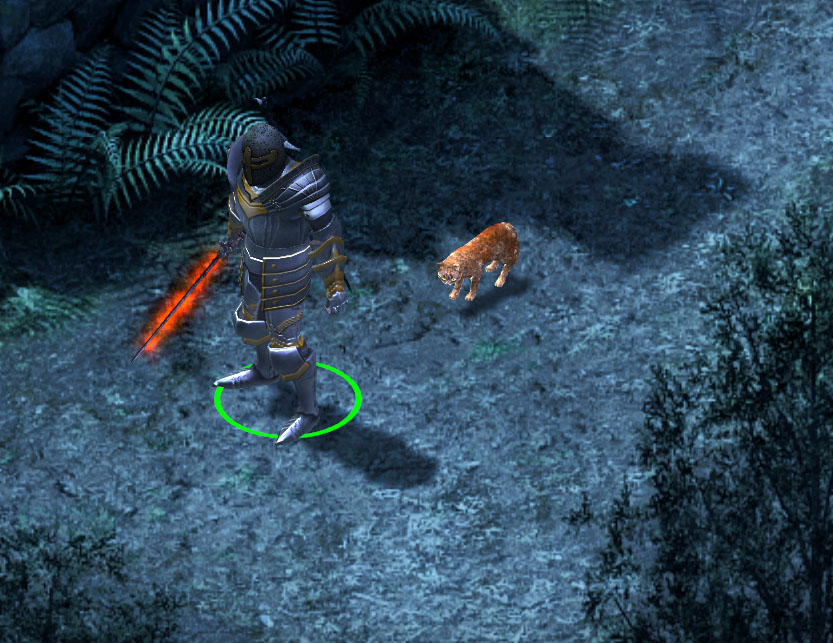
So the idea of Pillars was to create a game in the tradition of old isometric RPGs like Baldur's Gate, etc. I was so excited when I first heard about the kickstarter and I followed the development. It's been an eternity since I last played a traditional RPG so I was excited to go down this nostalgia trail.
Obsidian have definitely achieved their goal. This experience brings me back immediately to those classic old games, though they have added a bunch of fancy modern features. Not only graphics: they tried a bunch of things like crafting, base-building and some new approaches to combat and HP. I'm surprised there wasn't a cover mechanic! Seriously though most of the improvements were welcome additions. There are new character builds as well, including a "chanter" and a "cipher" each with unique qualities. Random encounters were removed, and you don't have to sleep every 10 minutes to recharge your health, that's nice too. Being an old-school role …
I finally completed Pillars of Eternity. The developers weren't lying when they named the game, it really takes an eternity to finish it, especially if you're a completionist like myself. I won't reveal any spoilers in this review.
So the idea of Pillars was to create a game in the tradition of old isometric RPGs like Baldur's Gate, etc. I was so excited when I first heard about the kickstarter and I followed the development. It's been an eternity since I last played a traditional RPG so I was excited to go down this nostalgia trail.
Obsidian have definitely achieved their goal. This experience brings me back immediately to those classic old games, though they have added a bunch of fancy modern features. Not only graphics: they tried a bunch of things like crafting, base-building and some new approaches to combat and HP. I'm surprised there wasn't a cover mechanic! Seriously though most of the improvements were welcome additions. There are new character builds as well, including a "chanter" and a "cipher" each with unique qualities. Random encounters were removed, and you don't have to sleep every 10 minutes to recharge your health, that's nice too. Being an old-school role player I decided early that I wanted to be boring and play this game in a traditional manner, so I build a pretty standard party: fighters, a wizard, a thief, a healer. I ignored the base-building and I ignored the crafting. Perhaps I'm an idiot and I played the game wrong, but I still had a long of fun with it. I guess I'm stuck in my ways.
I don't really know what to say about this game. The story is amazing. The in-game systems work perfectly. It's a masterful blend of the traditional elements with a bunch of helpful modern twists. I was delighted to travel down memory lane and play this kind of game again, and I hope some other modern developers will also jump on the gravy train and reboot this old genre. I'm looking forward to the new Torment game too, which I'm sure will be equally incredible. Although old-school in concept, the visuals in Pillars are gorgeous so it's never dull when exploring the new and varied locations.
There's really not much to fault about this game. They hit the target. It's a deep, engrossing RPG, dripping with story, quests, items, characters, lore and environments, with a deep and fun combat system. The game really allows you to express yourself, to build a character and play the game how you see fit, create your own story and your own journey. You really feel like you're embarking on a grand quest. There is a huge amount of writing in the game, half of the time you're sitting there reading, and it's all enthralling and well-written. Basically, if you liked these games back in the late 90's then you'll certainly be satisfied with this newcomer.
Many modern RPGs don't allow you to create your own character. Games like the Fallout 4 or Witcher, while being great games, they give you a character and a voice. You're role playing, but it's in the role of a character that they have chosen. Instead with Pillars you're given total freedom to create anything you want, good or evil, mad or cowardly, intelligent or dumb. You can upgrade your characters, the dialogue trees and quests are filled with branching paths so you can flesh out your role even further. I like having that freedom that we don't see in modern games.
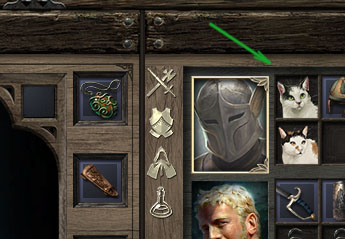
Finally I must mention the pets. In this game, unlike Fallout 4, I was able to collect a bunch of kitties and allow them to follow me on my grand adventure! So I have to give this game even more bonus points. This game was like reading a really thick heavy good book. It was long and tiring but well worth it.

Ryker's review of Pillars of Eternity

Finished this game yesterday. Absolutely loved it. The story was interesting with so many varied outcomes and endings, the characters had amazing personalities and were extremely well written. The game-play mechanics took some getting used to, but once I got them down, I was unstoppable.. despite the games terrible or non-existant A.I.(This is being rectified in patch 2.0). The graphics and music were nice, and the artwork for the games many character portraits and environments were top notch.
If i had any complaints is that the game focused too heavily on text based portrayal of important events and character history. There was nary a cut-scene to speak of, so most of the dramatic scenes were expressed via text, albeit extremely well written text, but text none the less. Noticed an issue with load times the longer the game progressed. Apparently as the file size of the game increases, so does the load times between scenes. It was getting obnoxious in the last few hours with transitions as long as 20 seconds.
Not to mention, I encountered several game breaking bugs in my final hours. I'd have characters get stuck in a spot, unable to move, therefore unable to zone and …
Finished this game yesterday. Absolutely loved it. The story was interesting with so many varied outcomes and endings, the characters had amazing personalities and were extremely well written. The game-play mechanics took some getting used to, but once I got them down, I was unstoppable.. despite the games terrible or non-existant A.I.(This is being rectified in patch 2.0). The graphics and music were nice, and the artwork for the games many character portraits and environments were top notch.
If i had any complaints is that the game focused too heavily on text based portrayal of important events and character history. There was nary a cut-scene to speak of, so most of the dramatic scenes were expressed via text, albeit extremely well written text, but text none the less. Noticed an issue with load times the longer the game progressed. Apparently as the file size of the game increases, so does the load times between scenes. It was getting obnoxious in the last few hours with transitions as long as 20 seconds.
Not to mention, I encountered several game breaking bugs in my final hours. I'd have characters get stuck in a spot, unable to move, therefore unable to zone and progress. I'd have to reset and lose progress. Friendly NPCs would attack me for no reason due to a reputation bug that caused entire towns/cities to turn on me, causing me to auto-attack the nearest npc, and them to attack me back, leading to a mass slaughter of the local population, which closed off many side quests. I was running around Oldsong in Twin Elms and noticed the text pop up, "Ryker has killed a child". The whole town bum rushed me.. so I reset and it happened again. I had to turn back 2 hours of progress before this didn't happen anymore.
There were two other minor bugs I can think of. My Chanter(Bard with song buffs) would stop chanting for no reason, making him virtually useless. I looked all over the net and realized that the fix was to rest, restart the game, and rest again. How convoluted... Oh, and there was another bug where a guest character wouldn't join me if I saved near her, then fought the battle required in order to recruit her. I had to reset and I lost another hour of progress. That was fun.
Bugs aside, the core plot, as well as the many interesting side stories, the terribly uninteresting NPC "soul stories" excluded, really carried the game for me. I look forward to playing White March Part 1, the games first expansion in the coming days/weeks.
+Pros
The Story, Characters, Artwork, Music, and Graphics were exceptional and all helped flesh out such an epic and exasperating tale of tragedy and overcoming.
-Cons
Bad A.i., the games many game-breaking bugs setting you back hours if you're unlucky enough to encounter them, as well as the ever increasing load times having a noticeable impact on the overall experience.
4.1/5 Stars - Play it and have no regrets!

Krauzer's review of Pillars of Eternity
The first entry to Pillars of Eternity, developed by Obsidian Entertainment, is a crowdfunded isometric RPG that pays loving homage to the classic CRPGs of the late 1990s and early 2000s, such as Baldur’s Gate and Planescape: Torment. At the heart of the game is the role of the “Watcher,” a rare individual who can see and interact with souls. This unique ability forms the backbone of a story that is rich, morally complex, and deeply personal, as players uncover the mysteries behind a spiritual catastrophe known as the Hollowborn plague. It really gets close on the feeling of playing a computer version of a table-top RPG campaign.
The narrative in Pillars of Eternity is one of the most compelling aspects of the game. You traverse the continent of Eora, exploring diverse regions from bustling cities to dangerous wilderness, encountering political conflicts, ancient secrets, and moral dilemmas. One standout quest involves unraveling the mystery of the Hollowborn: investigating the disappearance of unborn children and uncovering the dark forces at work behind this tragedy. This quest is both emotionally impactful and intellectually engaging, reflecting the game’s strength in blending story and gameplay.
Companions are another highlight of the game, each with …
The first entry to Pillars of Eternity, developed by Obsidian Entertainment, is a crowdfunded isometric RPG that pays loving homage to the classic CRPGs of the late 1990s and early 2000s, such as Baldur’s Gate and Planescape: Torment. At the heart of the game is the role of the “Watcher,” a rare individual who can see and interact with souls. This unique ability forms the backbone of a story that is rich, morally complex, and deeply personal, as players uncover the mysteries behind a spiritual catastrophe known as the Hollowborn plague. It really gets close on the feeling of playing a computer version of a table-top RPG campaign.
The narrative in Pillars of Eternity is one of the most compelling aspects of the game. You traverse the continent of Eora, exploring diverse regions from bustling cities to dangerous wilderness, encountering political conflicts, ancient secrets, and moral dilemmas. One standout quest involves unraveling the mystery of the Hollowborn: investigating the disappearance of unborn children and uncovering the dark forces at work behind this tragedy. This quest is both emotionally impactful and intellectually engaging, reflecting the game’s strength in blending story and gameplay.
Companions are another highlight of the game, each with distinct personalities, backstories, and quests. For example, Eder is a charming, battle-hardened warrior with a dry sense of humor and personal struggles that slowly unfold as he journeys with the player. Aloth, a sarcastic wizard, has a tragic past that leads to some of the game’s most emotional moments. Durance, a conflicted priest, challenges players’ moral assumptions and provides opportunities for philosophical discussions about faith and power. Though I confess that I tried to stick to the simplest party layout I could find, since I really just wanted to experience the story, rather than min-max the RPG mechanics, which were complex enough for me to almost no keep up with it.
Companion quests often intersect with the main story, creating a layered narrative that rewards careful attention and thoughtful choices. Gameplay is tactical and challenging, combining real-time combat with a pause system that allows precise planning. Battles are strategic, requiring you to balance positioning, abilities, and resources. Character creation is highly detailed: you can customize your race, class, abilities, and even background, which influences both dialogue options and interactions with companions and factions.
Exploration is rewarding, with hidden treasures, optional dungeons, and lore-rich encounters that make the world feel alive and reactive. But keep on the lookout for traps, some of them can literally take down your entire party, if not careful. You can try to workaround this using trap detection spells and abilities, which I highly recommend having at all times.
Ultimately, Pillars of Eternity stands out as a masterclass in narrative-driven RPG design. Its combination of memorable companions, meaningful quests, and a meticulously crafted world ensures that players are not just playing a game but participating in a living, breathing story. For fans of classic RPGs and anyone seeking a rich, immersive, and emotionally resonant experience, this title is definitely is a must-play.

Amazing Concepts and Lore, Mid-Gameplay
Pillars of Eternity feels very throwback, it purposefully mimics the isometric D&D style RPGs from the older PC era. This real-time with pause style will work for some and not for others.
I think it is fine here, Pillars creates its own system that departs from the D&D framework older games used, sometimes in ways that benefit the game, and other times in ways that are a bit confusing. I liked the way characters have two types of hitpoints, their immediate reserve and long-term reserve. I also liked how stats tied into the character's use.
But, I didn't like the way damage reduction was handled, combat can be so frantic, I never really could tell when my damage was being reduced until I wiped as a party.
Wiping and then reloading to try again is a big part of this game, even on basic difficulty. I don't mind this, but it's worth noting.
But let's talk about the part of this game that I think is its key feature, that is, the lore and story.
Pillars builds a unique world focused on souls, previous lives, and the gods. These elements aren't necessarily new to fantasy stories, but I found the …
Pillars of Eternity feels very throwback, it purposefully mimics the isometric D&D style RPGs from the older PC era. This real-time with pause style will work for some and not for others.
I think it is fine here, Pillars creates its own system that departs from the D&D framework older games used, sometimes in ways that benefit the game, and other times in ways that are a bit confusing. I liked the way characters have two types of hitpoints, their immediate reserve and long-term reserve. I also liked how stats tied into the character's use.
But, I didn't like the way damage reduction was handled, combat can be so frantic, I never really could tell when my damage was being reduced until I wiped as a party.
Wiping and then reloading to try again is a big part of this game, even on basic difficulty. I don't mind this, but it's worth noting.
But let's talk about the part of this game that I think is its key feature, that is, the lore and story.
Pillars builds a unique world focused on souls, previous lives, and the gods. These elements aren't necessarily new to fantasy stories, but I found the ways they joined together fascinating and extremely well done. One of my favorite ways the story is told is it doesn't always spell things out for the player, leaving some interactions and moments up for interpretation.
The central story is a little tough to follow at times, but it tells a pretty interesting story with some solid pacing. DLC also has some great stories.
Like most games with a variety of characters to play with, I found some of their backstories really interesting and others a bit mediocre. I think there are a few characters everyone will gravitate towards, and this will probably be slightly different for everyone.
Overall, if you like throwback RPGs with great world building and fun stories, this is game is well worth a try.

Pillars of Nostalgia
This review is for the PC (Microsoft Windows) version
The first thing that hit me when I started playing PoE was a wave of nostalgia simply because of the four-pie-pieces cursor for moving the characters around.
The last thing that hit me was how thought-provoking the dilemmas presented at the end of the game (what to do with imprisoned souls and what to do about the gods) were.
I very much enjoyed playing around the Dyrwood, although it took me a long time to take in the setting and mechanics. I've spent hundreds of hours playing the game and its expansion and I'm still not 100% sure what chanters and ciphers do best, exactly how Endurance and Health interact and how Resolve is different than Will. I'd also found a couple of quest-related bugs and am annoyed by never being sure where to find "camping supplies".
All that being said, I'd found the story lines, a lot of the characters and the problems I needed to solve to be original, diverse and sometimes outright touching. The real-time combat with a give-and-take between speed and power is great (even when I couldn't really optimize it's use) and there's a variety of enemies. The companions are all interesting and fun to …
The first thing that hit me when I started playing PoE was a wave of nostalgia simply because of the four-pie-pieces cursor for moving the characters around.
The last thing that hit me was how thought-provoking the dilemmas presented at the end of the game (what to do with imprisoned souls and what to do about the gods) were.
I very much enjoyed playing around the Dyrwood, although it took me a long time to take in the setting and mechanics. I've spent hundreds of hours playing the game and its expansion and I'm still not 100% sure what chanters and ciphers do best, exactly how Endurance and Health interact and how Resolve is different than Will. I'd also found a couple of quest-related bugs and am annoyed by never being sure where to find "camping supplies".
All that being said, I'd found the story lines, a lot of the characters and the problems I needed to solve to be original, diverse and sometimes outright touching. The real-time combat with a give-and-take between speed and power is great (even when I couldn't really optimize it's use) and there's a variety of enemies. The companions are all interesting and fun to explore the pasts of - to the point where I would have kicked my own created character out of the party if I could, just to have one more companion there.
I highly recommend this game for people how have patience with trek times, like to read (a lot of) text conversations and don't mind the old-school looks. Also - Dragons are so tough!

Isometric RPG, story focused, great combat mechanics
I've seen a lot of low rating reviews, complaining about some core features of the game. Obviously that's just not the type of game for them and giving it a low rating just because they didn't make an informed decision about their purchase seems unfair.
So let me say this. If you hate reading, this game is not for you. It's focused on the story, but the interaction with the NPCs is mostly through text, with a little bit of voice acting for flavor.
If you don't like challenging combat with a lot of micro management (especially the higher difficulties), this game is not for you. You have a lot of mechanics, different defense types that might prevent you from hitting an enemy, which would require you to buff your party or debuff the enemies (or in many cases both).
That being said, I had a blast playing the game. There are a lot of different classes, large variety of builds and party member combinations. The story was great and for me "walls of text" actually added to the overall experience. I haven't played a lot of games like this before, but still I decided to start on Hard and …
I've seen a lot of low rating reviews, complaining about some core features of the game. Obviously that's just not the type of game for them and giving it a low rating just because they didn't make an informed decision about their purchase seems unfair.
So let me say this. If you hate reading, this game is not for you. It's focused on the story, but the interaction with the NPCs is mostly through text, with a little bit of voice acting for flavor.
If you don't like challenging combat with a lot of micro management (especially the higher difficulties), this game is not for you. You have a lot of mechanics, different defense types that might prevent you from hitting an enemy, which would require you to buff your party or debuff the enemies (or in many cases both).
That being said, I had a blast playing the game. There are a lot of different classes, large variety of builds and party member combinations. The story was great and for me "walls of text" actually added to the overall experience. I haven't played a lot of games like this before, but still I decided to start on Hard and it was pretty difficult at the start until I got used to the mechanics. After that it kept being difficult, but in a good way. It kept me focused on the specific battle and the enemies I was fighting, what are their strengths, what weaknesses I can focus on, etc. The world feels real and you get a lot of dialogue choices that actually matter. Btw if you want more immersive experience, you can go in the "Difficulty" tab and disable "Show Qualifiers", "Show unqualified interaction", "Show Personality/Reputation". You won't be able to see the locked dialogue options, what attributes you need for certain choices and how they change your reputation.
MikaelLundgren's review of Pillars of Eternity
This game was LOOOOOONG!!!
I Started playing this game and got so immersed in it that i started to fear it would end too soon. I heard it had a sequel so i went out and bought pillars 2 so i would be able to play it emidietly after finishing Pillars 1.
However, that was two years ago... I guess i jumped the gun on getting the sequel. :P I have played a lot of other games simultaneously, been a father, and had a job, so i havent spent all my time playing this game, which would explain why this took me years to finish, but the game still is extremely long. I think my timer for this game was around 300 hours when i finally kicked the last boss to death for the last time.
Anywho, this is a baldurs gate-like, in an original fantasy world, with slightly changed rules to differentiate it from dnd and baldurs gate. You create your own main character by choosing from different races lika human, elf, dwarf and some new races uniqe to this game, sub-races like mountain-dwarf or nothern-dwarf, an impressive amount of classes and subclasses, backgrounds, faiths etc, etc, which all …
This game was LOOOOOONG!!!
I Started playing this game and got so immersed in it that i started to fear it would end too soon. I heard it had a sequel so i went out and bought pillars 2 so i would be able to play it emidietly after finishing Pillars 1.
However, that was two years ago... I guess i jumped the gun on getting the sequel. :P I have played a lot of other games simultaneously, been a father, and had a job, so i havent spent all my time playing this game, which would explain why this took me years to finish, but the game still is extremely long. I think my timer for this game was around 300 hours when i finally kicked the last boss to death for the last time.
Anywho, this is a baldurs gate-like, in an original fantasy world, with slightly changed rules to differentiate it from dnd and baldurs gate. You create your own main character by choosing from different races lika human, elf, dwarf and some new races uniqe to this game, sub-races like mountain-dwarf or nothern-dwarf, an impressive amount of classes and subclasses, backgrounds, faiths etc, etc, which all impact how you play your character.
Eventually you will gather a party of 8 companions, or 11 if you play with the dlc, who are all voiced and have their own quests to complete, and their own reasons for joining you. You can also hire 8 adventurers who you get to design yourself in the same way you created the main character. Those adventurers will become members of your party and will help out in battle but they do not have any optional quests or any backstories or anything like that. Still, it is cool you get the option to create an entire party to your own specifications. So, in total you get 19 companions, and with your main character you get 20 characters to control.
Out of all the classes in the game, i found everyone useful and interesting accept for the Ranger... Maybe i couldnt figure out how to pay a ranger, but the only thing i seemed able to do was send the rangers pet wolf (or whatever animal you choose for them if you created them yourself) up to bite an enemy while the ranger shot arrows at the enemy until the wolf is beaten down, and the enemy runs up to the ranger and beats the ranger as well. All the other classes were very fun and rewarding though.
You can for some reason only bring 5 companions at any one time. the other fourteen will have to hang back at the keep you get early on in the game.
I did a little mistake of returning to my keep every time i got overencumbered by loot to sell all my stuff to the general merchant at the keep, which after a few hours made that merchants inventory ridicilously overcrowded, so the loadingtimes for my keep got stupid long. The loading times are a problem in this game overall, i cant figure out why they are so long, but loading the room with my merchant and AAAAAAALL the loot in the game got to be painful.
The battles are the slowest battles in a game i have ever played, and i mean this as a good thing. I enjoy action games, and got really good at "Doom 2016" and "Doom Eternal", so it's not that i am biased against fast paced action games, but this games extremely slow approach to combat felt very new and fresh to me. It makes baldurs gates combat seem like you are rushing through every encounter.
Whenever something relevant happens in combat the game autopauses and tells you what just happened and gives you the opportunity to give orders to your characters, or change whatever they are currently trying to do. Relevant thing that might happen is that one your guys were attacked or hurt, that someone finished casting a spell, a new enemy joins the battle or somehint like that. Thing is, thise things happen several times per second! This game is purely for gamers with a lot of patience. But beating some of the toughest battles in this game feels immensly rewarding.
I dont want to spoil more of the story than i already have, and to be honest i was quite confused by it. There are a lot of gods that different people pray to for different reasons, and the main character is able to "read peoples souls" which give them a certain edge in conversations. It is a very interesting story, but confusing and a lot to take in. I played this game over a long period of time which may explain why i had a hard time following it.
And finally i want to share a silly mistake i made while playing this game, a mistake tha took me hours to finish: I played the ps4 version of the game, the definitive version, which includes the dlc "White Marsch", i think it is called. You get the first mention of this land to the northeast of the main games land relatively early on in the game, and the questlog just tells you to travel to white marsch to continue the quest. On the world map, you can clearly see white marsch in the northeast corner, but you can only move the cursor to select an area via "roads" between the areas, and there is no road to white marsch. "No matter" i thought "i am sure i will find to road there once i finish up some more quests". So i did some more quests, and some more, and some more, and before i knew it, the last boss was killed. I reloaded before the final battle with the final boss and tried to find a road to white marsch. Finished up every last sidequest, but couldnt find the road to it. Walked around the areas closest to white marsch trying to find an opening or something in a wall that i missed.
Spent hours doing this, but finally i gave up and googles it. And shockingly google didnt seem to know how to get there. All i could find out was that i should go to white marsch, and when i came there i would be attacked. But not HOW i could get there. I deduced that getting to whiute marsch was probably supposed to be so easy that noone, on the entire internet, had thought about someone maybe having trouble getting there. So i figured my copy of the game must have a bug or something that makes it impossible for me to get there. Took up the map in the game for what i thought would be the final time, and looked at the bottom of it. At the bottom was buttonprompts on how to use the map. Left stick=move cursor X-button=confirm destination, Square-button=Go to White Marsch.
All i had had to do all this time was to press Square... Boy did i feel dumb :P

Hrafntinna's review of Pillars of Eternity
I can only really recommend if you've got everything you possibly can out of the classic infinity engine games. This is just more of the same, but not as good.

Maddmike's review of Pillars of Eternity
This review is for the PC (Microsoft Windows) version
Pillars of Eternity is a game where being an active participant in its narrative is just as rewarding as overcoming its combat challenges.
It's a dense RPG world that manages to be a great successor to the infinity engine RPGs that inspired it, not just a nostalgic homage to them.
I've spent multiple real world weeks on this game over the years, and with how replayable it is I don't foresee that number stagnating as the years pass.

Great Writing, Combat Didn't Click
Combat was too complex and more than I bargained for. Ended up changing the difficulty to story mode to blow through combat encounters.
The writing was great and had a ton of moving parts and characters, I only wish that I liked the game play enough to tie up all the loose ends. I plan to do a good amount of reading on possible endings and companion stories. There was a large gap between when I started the game and when I finished it, so I forgot the details of a lot of story threads and the ending was a bit diminished because of that. Not the game's fault though.

Eternal Depth.
Pillars of Eternity is a game about depth in all things. A difficult, strategy-laden combat system, a world neck-deep in wonderfully realized lore, and characters with fully realized lives and experiences. The combat can be overwhelming at first, especially if you (like me) have not played an old Infinity Engine (early 2000's CRPGs from Black Isle Studios) game before. The game gives you ample ways to level up via quests, and you can save anywhere you like, so it makes trial and error a real factor in some of the harder battles, with resistances and strategy playing a serious role. I don't want to go too far into the story. Just know that it is one of (if not the) best realized worlds and stories I've ever encountered in a video game. I desperately want to read more about the world and its lore.
Sorry for the short "review," if you can even call it that. Perhaps it's that the game is just too big. I finished it in about 55 hours. There's too much to talk about, and the long and short of it amounts to "play this game." It's easy to be put off in the beginning by …
Pillars of Eternity is a game about depth in all things. A difficult, strategy-laden combat system, a world neck-deep in wonderfully realized lore, and characters with fully realized lives and experiences. The combat can be overwhelming at first, especially if you (like me) have not played an old Infinity Engine (early 2000's CRPGs from Black Isle Studios) game before. The game gives you ample ways to level up via quests, and you can save anywhere you like, so it makes trial and error a real factor in some of the harder battles, with resistances and strategy playing a serious role. I don't want to go too far into the story. Just know that it is one of (if not the) best realized worlds and stories I've ever encountered in a video game. I desperately want to read more about the world and its lore.
Sorry for the short "review," if you can even call it that. Perhaps it's that the game is just too big. I finished it in about 55 hours. There's too much to talk about, and the long and short of it amounts to "play this game." It's easy to be put off in the beginning by the difficulty, but please trust me when I say it's worth sticking with.
A game like this only comes along every few years. You'd be doing yourself a disservice not playing it, especially if you're a hound for story, world, and characters.

deepdoop's review of Pillars of Eternity
8/10
I don't like the way it deals with health and endurance, with no healing abilities, but the lore is great, the character leveling is wonderful, the battle system is everything you could want from this type of game (I prefer something like Divinity and Wasteland 2 more though in that regard), and I like how everything is streamlined. No obtuse and confusing menus or vague journal entries, everything is pretty clear.

PenetratorGod's review of Pillars of Eternity
The story of Pillars of Eternity takes place in a vast fantasy world populated by people of various races and faiths. The game has a medieval theme, but also features firearms, which are often used by both the player's party and their enemies. The world of Pillars of Eternity consists of several dozen different locations, including forests, dungeons and ancient ruins full of dangers and nasty surprises. We also spend a significant amount of in-game time visiting cities, such as the city of Defiance Bay, which consists of several large districts.
During our travels, we meet many NPCs who give us tasks to accomplish and in some cases even join the party. The game offers players a great freedom of choice. It is up to us alone to decide whether to negotiate, sneak past the guards or fight our way through. A distinctive feature of Pillars of Eternity is the system of so-called scripted interactions. When the hero or party needs to perform an action other than the standard options, such as combat or dialog, a separate screen is shown explaining the situation and offering us possible options.
The gameplay is based on the classics of the genre. The developers …
The story of Pillars of Eternity takes place in a vast fantasy world populated by people of various races and faiths. The game has a medieval theme, but also features firearms, which are often used by both the player's party and their enemies. The world of Pillars of Eternity consists of several dozen different locations, including forests, dungeons and ancient ruins full of dangers and nasty surprises. We also spend a significant amount of in-game time visiting cities, such as the city of Defiance Bay, which consists of several large districts.
During our travels, we meet many NPCs who give us tasks to accomplish and in some cases even join the party. The game offers players a great freedom of choice. It is up to us alone to decide whether to negotiate, sneak past the guards or fight our way through. A distinctive feature of Pillars of Eternity is the system of so-called scripted interactions. When the hero or party needs to perform an action other than the standard options, such as combat or dialog, a separate screen is shown explaining the situation and offering us possible options.
The gameplay is based on the classics of the genre. The developers used a real-time combat system with an active pause feature that allows players to stop time to issue commands to party members. Character development is based on the experience we gain during our adventures, and the game offers a huge arsenal of weapons, armor and items that can be bought or found.
Another feature of Pillars of Eternity is the opportunity to manage your own castle, which you get a few hours into the main story. First of all, the castle needs to be rebuilt so that it can regain its prestige, so that its defenses are intact. As we develop the castle, we gain access to new quests and merchants. Furthermore, the castle offers a number of additional activities and functions. We can imprison captured enemies, receive envoys or send our soldiers on errands.
Pillars of Eternity's visuals are reminiscent of classic cRPGs. On-screen events are presented in the isometric view that characterized, for example, RPGs of the late 90s and early 2000s. However, compared to older games like Baldur's Gate and the Icewind Dale series, the graphics look a bit better. The game offers an average of 60 hours of gameplay.
Something about this game is...magnetic. Even though I'm finding it frustrating I just want to keep playing. Strange.
So...uh...this game isn't exactly what I had thought. It's difficult to a point that it's not very fun. I was hoping it would be more on a KotOR/Dragon Age level of difficulty. This is...something different. The whole camping thing? Uugh.
Got my Steam Link in the mail today and hooked it up with the Steam Controller to play this one. So far a good cRPG, a little clunky on the controller, but not unplayable. The Steam Link worked fine, too. I even streamed some video from my desktop after playing, too.


The White March: Part 1
Just finished The White March Pt.1. expansion content. It was a nice diversion from the main plot and I thoroughly enjoyed it. It was about 10 hours long and added two new characters, one that I'm entirely too fond of(Devil of Caroc). She's a character whose soul was bound to metal armor, ala Alphonse from FMA, but she's far from the benevolent and good-natured personality that Alphonse is. It had about 10 new sidequests, several new tasks, new additions in the form of soul-bound weapons, that require certain objectives to be fulfilled to unlock their full potential, a level cap increase, and improved A.I.(Which is still terrible).
The story revolves around the sudden interest that has taken hold of the citizens in the White March region regarding a massive fortress( in Durren's Battery) that has been closed off for 2 thousand years, and the sudden appearance of a door near the base of the structure. Of course, being a rpg, your party takes an interest in exploring the mysteries surrounding this sudden turn of events, and off they go.
All in all, I'd say it was a great part one, that seems to be leading …
The White March: Part 1
Just finished The White March Pt.1. expansion content. It was a nice diversion from the main plot and I thoroughly enjoyed it. It was about 10 hours long and added two new characters, one that I'm entirely too fond of(Devil of Caroc). She's a character whose soul was bound to metal armor, ala Alphonse from FMA, but she's far from the benevolent and good-natured personality that Alphonse is. It had about 10 new sidequests, several new tasks, new additions in the form of soul-bound weapons, that require certain objectives to be fulfilled to unlock their full potential, a level cap increase, and improved A.I.(Which is still terrible).
The story revolves around the sudden interest that has taken hold of the citizens in the White March region regarding a massive fortress( in Durren's Battery) that has been closed off for 2 thousand years, and the sudden appearance of a door near the base of the structure. Of course, being a rpg, your party takes an interest in exploring the mysteries surrounding this sudden turn of events, and off they go.
All in all, I'd say it was a great part one, that seems to be leading into something with bigger stakes, and I'm really look forward to playing the continuation of the story. The time between now and the next part will give me a much needed break, however. My eyes were kind of tiring of the mountains of text!
On the technical side, it appears that the White March: Part 1 was never intended to be end-game content, so if you've played the base game to the end, you'll get the option of re-balancing the content in the White March region to match your current level, so that it's not too easy. Unfortunately, this leads to some very mixed difficulty levels, and the encounters range from still being too simple, to some being ridiculously cheap, like
So to sum things up, at 14.99, you can't go wrong if you enjoyed the base game. 10 hours may not seem like much, but I feel it's justified given how much of a labor of a love this entire project has been, and the X-pac felt meaty enough to warrant it. Part 2 will be 10 dollars bringing the total cost of the expansion up to 25 dollars, which isn't too bad. If you're still on the fence or starting the game for the first time, wait for a sale if you're unsure that you're getting your moneys worth.
3.5/5 -Liked it a lot

26 hours in. Based on average playthrough estimates, that would put me at around the halfway point. The game has a pretty interesting core plot and some cool sub plots, but I can no longer bring myself to read the hit-or-miss random NPC dialogue that comes with "peering into their soul". Most of it isn't very compelling.
Combat is rather solid. After about 5 hours into the game I started to dislike it because I didn't fully understand the notion of controlling the flow of a battle without having a tank that could taunt. Apparently, in crpgs, your positioning is what's most important, and sending in your tank first is all but necessary, otherwise characters in your party closest to the enemy units pull aggro. Sadly, this isn't a fully infallible course of action as tanks have a limited number of engagements(number of enemys they can attract at any given time) so having more than two mobs, without using the environment to create a chokehold preventing enemy units from getting to your squishies, often leads to a hectic battle experience. Fortunately, I've gotten better at using crowd control. I still think I should've gone with a two tank party.
Oh, …
26 hours in. Based on average playthrough estimates, that would put me at around the halfway point. The game has a pretty interesting core plot and some cool sub plots, but I can no longer bring myself to read the hit-or-miss random NPC dialogue that comes with "peering into their soul". Most of it isn't very compelling.
Combat is rather solid. After about 5 hours into the game I started to dislike it because I didn't fully understand the notion of controlling the flow of a battle without having a tank that could taunt. Apparently, in crpgs, your positioning is what's most important, and sending in your tank first is all but necessary, otherwise characters in your party closest to the enemy units pull aggro. Sadly, this isn't a fully infallible course of action as tanks have a limited number of engagements(number of enemys they can attract at any given time) so having more than two mobs, without using the environment to create a chokehold preventing enemy units from getting to your squishies, often leads to a hectic battle experience. Fortunately, I've gotten better at using crowd control. I still think I should've gone with a two tank party.
Oh, and the monk class. Just avoid it. I made the huge mistake of making my character a monk, and they have to take damage in order to build up Wound points to use their abilities. The problem is, they're entirely too flimsy. In hindsight, it would've been much better to go the route of ranged attacker or Fighter to double up on the tanks, which would make battles much more manageable.
Another thing about combat, your NPC units have NO A.I. That's right. You are expected to micromanage every little thing they do. If you set them to attack a unit and it dies, you have to manually set every character to attack a new target. This becomes problematic, cause the easiest way of doing this is pressing Z, which highlights your entire party, and clicking another enemy unit. The problem with this is that it interrupts any special abilities or spells they have queued, so you have to go back into their action menus and re-input those same commands. If you don't manually attack a new target after one dies, for every single character, they just stand there being all dumb while their comrades get slaughtered. Don't get me started on the path-finding. It's absolutely atrocious. Casters in my team often prevent the tank or monk from getting to the necessary targets because the pathfinding is so terrible that unless you have a clear path from your party member to the enemy, they usually get stuck on the group. It's kind of funny to see though. Fortunately, version 2.0 of the game is coming soon, and it's supposed to fix things like pathfinding and give your party members a.i. options(think gambits from Final Fantasy 12) which causes them to auto-perform actions of your choosing, like "auto-attack nearest enemy unit" after you deliver the deathblow to your current target. This will be a game changer.
On plus side, I enjoy building up my stronghold and listening to the interactions between the games 9 or so non-generic party members. You can play with the games pre-made characters with backstory or make your own. It's really a non-choice, though. Eder, Aloth, Durance, and Kana are all hilarious!! Making your own party members takes away party interaction as they're just cookie cutter characters that fill a role and have no personalities to speak of. The only benefit to doing this is to access classes like the extremely powerful Rogue that none of the pre-made characters happen to be. Still, it's not worth it in my opinion, cause it takes away from immersive conversation and liveliness of having a non-generic, cheeky, well-written party of characters.
Despite some minor issues, it's mostly an enjoyable game. I rarely finish games in this genre, since they're so long winded and I feel the side stuff tends to overshadow the core plot, but I'm really interested in seeing how this one continues to unfold.